


If you’ve ever felt like movement only “counts” if it’s a hardcore workout that leaves you sore and wiped, this one’s for you. On this week’s episode of the Diabetes Digital Podcast, Jess and Wendy got into the science and the real-life simplicity behind what they call movement hacks. These are everyday, doable ways to support your blood sugar, energy, and mood without needing to revamp your whole routine or force yourself into a workout you dread.
Are you living with diabetes or prediabetes and want support from a Registered Dietitian Nutritionist covered by insurance? Take our intake quiz to sign up for 1:1 nutrition counseling with our culturally humble, weight-inclusive Diabetes Dietitians. Our 12-week program helps you lower your A1c and improve your relationship with food. Most insurance patients pay $0 out of pocket! Start your journey to better health today.
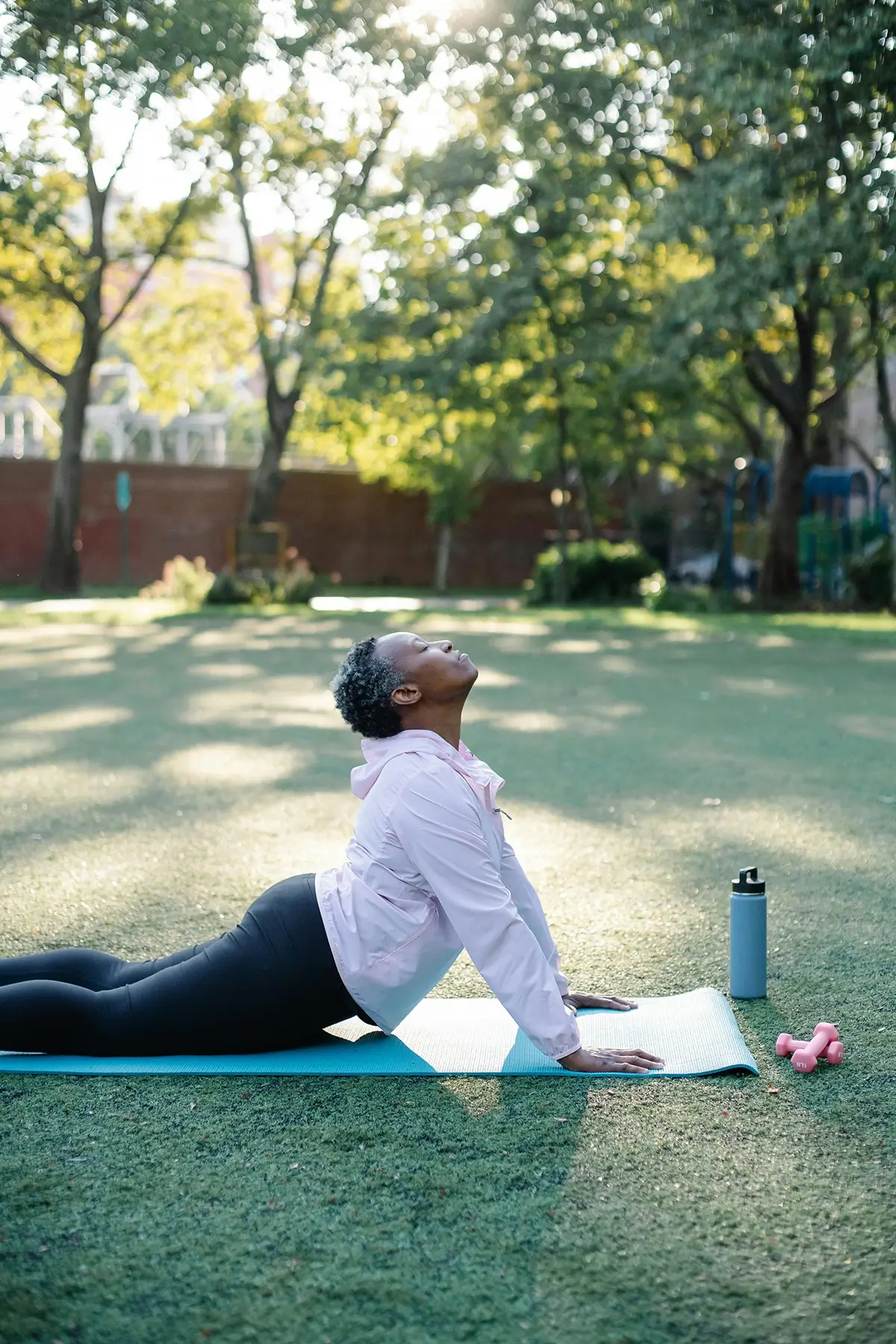
How “movement snacks” can support blood sugar
Start with what feels doable
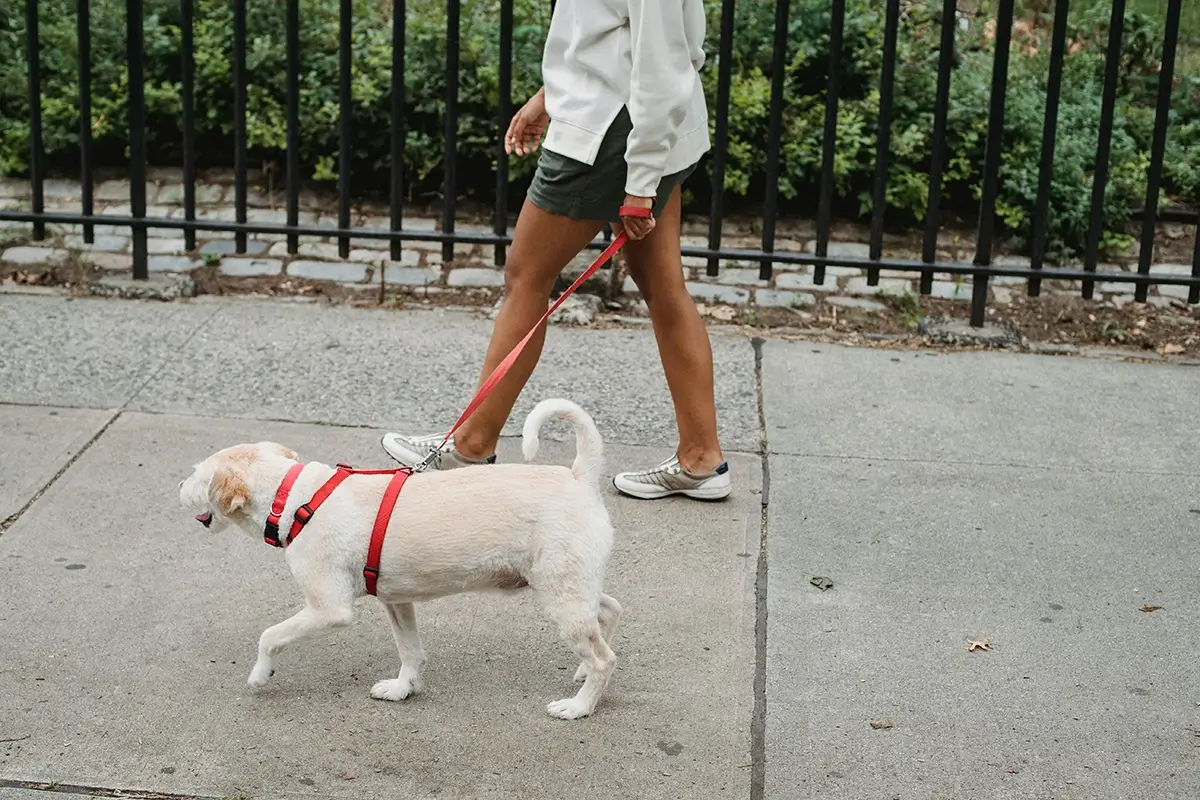
As someone who works with a lot of women living with diabetes, prediabetes, PCOS, and other conditions tied to insulin resistance, I hear it all the time “I know I should be moving more, but I’m tired, overwhelmed, or honestly don’t know where to start.” You’re not alone. And the truth is, sustainable movement doesn’t have to mean training for a 5K or getting a fancy gym membership. It can mean walking your dog after dinner, doing a quick stretch between meetings, or cleaning up the kitchen after a meal.
That’s the kind of movement Jess and Wendy are talking about in this episode. These little moments sometimes called “movement snacks” can have a real impact on blood sugar regulation, insulin sensitivity, and how you feel in your body day to day.
Gentle movement still has strong benefits
Here’s what I appreciated most from this episode: the reminder that movement doesn’t need to be all or nothing. Jess talked about walking in the morning for her circadian rhythm and energy, while Wendy shared how her movement changes depending on where she is in her menstrual cycle. Some weeks it’s boxing. Other times it’s simply a walk around the block.
Both emphasized that even light movement like standing up to stretch, walking while on the phone, or cleaning up after dinner can increase your muscles’ ability to absorb glucose from the bloodstream. That process doesn’t even require insulin, which is especially helpful if you have insulin resistance.
And the research backs this up. Movement, even in small doses, improves insulin sensitivity, supports mood, sleep, and energy, and reduces stress. Importantly, those benefits happen independently of weight.
Strength vs. cardio
There are different types of movement, and each can support blood sugar in its own way. Aerobic movement such as walking, dancing, or swimming can help improve insulin sensitivity over time. Strength-based movement like lifting weights or doing circuit training builds muscle, which helps your body use glucose more effectively. High intensity workouts can sometimes cause a temporary spike in blood sugar due to your body’s stress response, but that spike is usually short lived and not something to worry about.
Time-saving hacks for everyday movement
Here are some easy movement snacks I often share with clients to support blood sugar without needing a structured workout. These are all backed by research and work well for people who spend most of the day sitting.
- Take a short walk after meals
A 10 to 15 minute walk after eating, especially dinner, can help lower blood sugar levels for several hours. It doesn’t need to be fast or intense. Just getting up and moving makes a difference. - Clean up after you eat
Instead of tidying up while cooking, try doing the dishes after your meal. It’s a simple way to add some gentle movement at a time when it can really support blood sugar regulation. - Use a movement timer
Set a reminder every 30 to 45 minutes to get up and move. Even short breaks with a few calf raises, squats, or a quick lap around the room can help improve insulin sensitivity. - Add movement into passive moments
Use resistance bands while watching TV, stretch during a podcast, or march in place while waiting for the microwave. These moments can add up throughout the day. - Alternate between sitting and standing
If you work at a desk, try switching between sitting and standing several times a day. Add in light stretches or squats before sitting back down to keep your muscles engaged.
New research on quick bursts of exercise
Research on reduced exertion high intensity interval training, or REHIT, shows that even very short bursts of movement can have a big impact. This style of exercise typically includes two 20 second all out sprints with a few minutes of recovery in between, adding up to just 10 minutes total. Studies have found that doing REHIT two to three times a week can significantly improve insulin sensitivity and boost cardiovascular fitness. It may also support better VO2 max and mitochondrial function, even in people who are otherwise sedentary.
Movement can be meditative too
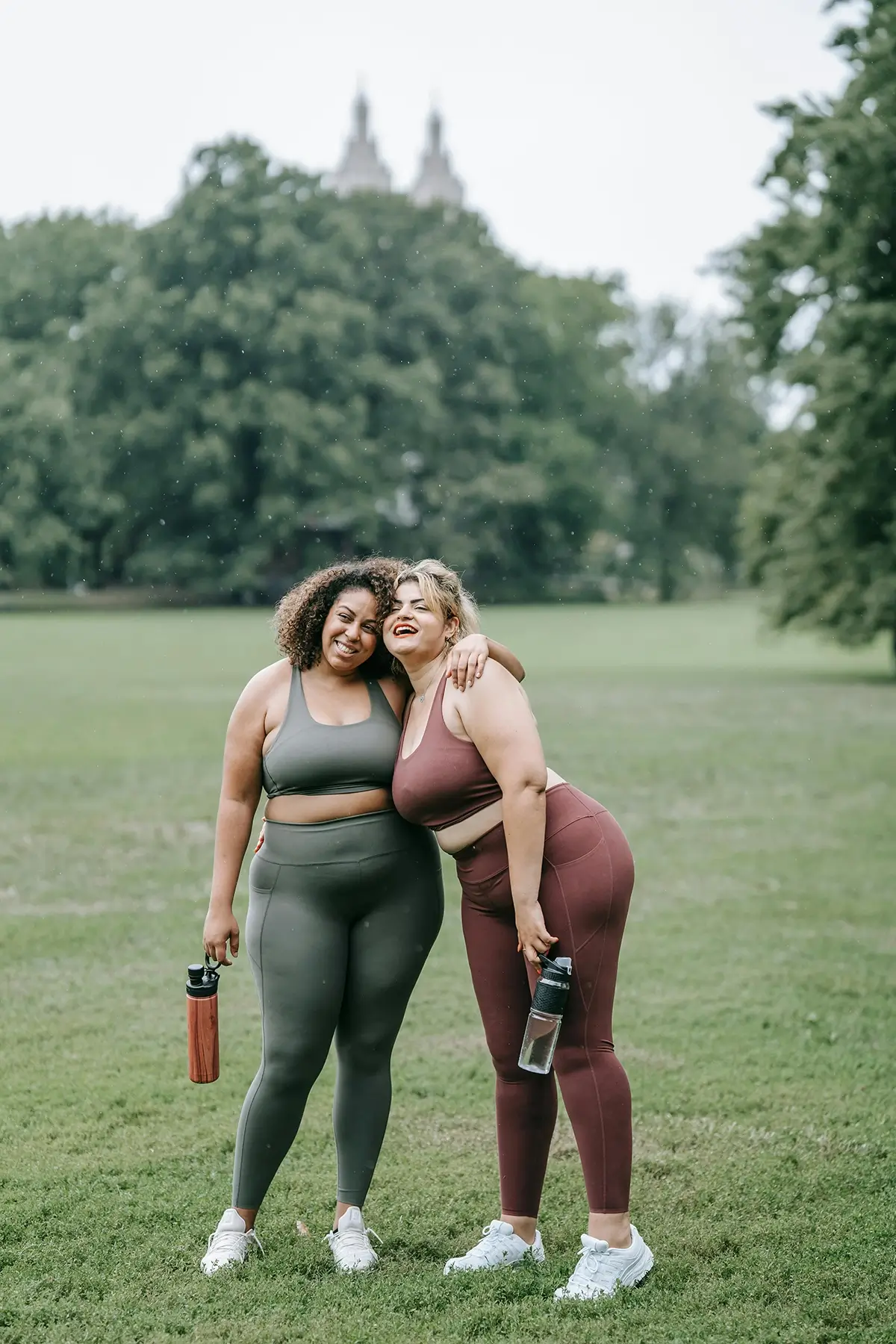
Mindful and meditative movement can be a powerful way to support blood sugar, stress, and overall well-being. Practices like yoga, tai chi, and slower forms of Pilates have been shown in research to lower A1C, improve cholesterol, and help with glucose regulation. These benefits happen regardless of weight or body size.
The focus isn’t on burning calories or changing your body, it’s about reconnecting with it. Moving in ways that feel calming and intentional can also help regulate your nervous system, support better sleep, and reduce daily stress, all of which play a role in blood sugar management.
Movement matters even when results aren’t immediate
One question we often get as dietitians is whether movement still matters if you’re not seeing an instant drop in your blood sugar or a change in your CGM. And the answer is yes. Sometimes the effects are immediate like after a walk and other times they show up slowly, through improved sleep, energy, stress regulation, and long-term glucose patterns.
It’s those consistent, gentle actions over time that make a difference. Even small things like calf raises, walking laps in your kitchen during a call, or doing a few squats before sitting back down at your desk can support your glucose and your overall well-being.

Keep it simple and consistent
At the end of the day, the best exercise for blood sugar is the one you’ll actually do. Whether that’s post-meal walks, squats at your desk, slow yoga, dancing while you clean, or structured workouts at the gym, it all counts. And it all helps.
TRANSCRIPT
Welcome to today’s episode of the Diabetes Digital Podcast.
Today we are excited because we’re going to talk about movement hacks, which are essentially realistic, everyday ways to support your blood sugar and your health goals.
And we’re excited to talk about this because often times people feel like exercise has to be intense in order to have an impact on your health, and that’s just not the case.
0:26
There’s actually a ton of research to support these different movement hacks.
Some people call them movement snacks, and it’s actually a really powerful tool for supporting blood sugar.
And also, it’s just a way to care for your body and not to necessarily focus on changing it.
0:43
And when we say movement, we mean the kind of body movement that feels good and sustainable, not just structured workouts.
So if you feel great doing a structured workout, that’s totally perfect for you.
But if you’re someone who’s like, actually, I want to do something else, maybe walking, dancing, stretching, cleaning or moving your body in a way that feels joyful and helpful in your daily life, this episode is for you.
1:07
Welcome to the Diabetes Digital Podcast.
I’m Wendy.
And I’m Jess, and we’re best friends, registered dietitians and diabetes educators.
Through our telehealth platform, Diabetes digital.co, we offer accessible and personalized virtual nutrition counseling for people with diabetes and prediabetes.
1:24
Visit diabetesdigital.co that’s Co to book your first appointment.
We accept insurance and offer affordable self pay options.
Now let’s get into today’s episode.
This podcast is brought to you by Hero Bread is dietitians.
1:41
We’re always on the hunt for store bought foods that we can confidently recommend to our patients.
But here is the catch.
Anything we recommend has to actually taste good.
Life is short and I both live to eat and eat to live.
That’s when Hero Bread reached out.
1:56
I’d seen them in stores, but I hadn’t picked anything up yet and they had sent a bunch of products for us to try.
Now, my husband and I, we love food, and we were immediately hooked.
Hero Bread isn’t just tasty, it’s functional too.
Each serving has zero to 2 grams of net carbs, no sugar, and four to 10 grams of protein depending upon the product.
2:16
So the Hawaiian rolls, for example, which are new and I love, they have 4 grams of protein per serving.
It’s perfect for managing blood sugar or adding more protein while eating the bread you love.
Their tortillas are a new favorite in my house.
My husband and I both love using them to make quesadillas as quick snacks.
2:33
I’m a big quesadilla girl.
I’ve also been using their bread for sandwiches.
I love making a sandwich for lunch because it’s easy and it’s filling.
But I am picky about bread.
It has to be the best part.
And here’s the thing.
Sometimes breads with health claims tend to be dry and disappointing.
2:50
But not this one.
Hero bread is moist, chewy, and really truly satisfying.
Their hamburger buns are also perfect for my vegetarian patties, and the extra protein helps me hit my daily protein goals.
Now, whether you’re looking to manage your blood sugar or you just want to enjoy a delicious bread option with added protein and prebiotic fiber, Hero Bread is a simple and tasty option.
3:13
Ready to give it a try?
Visit hero.co to shop their full lineup and use our special coupon code DD10, that’s DD is in Diabetes Digital 10 to get 10% off at checkout.
And don’t forget, they also offer free shipping for orders over $50.
3:30
That’s hero HE ro.co.co.
Now on to the episode.
The nice thing is that research suggests that even gentle movement has real benefits.
So there are studies to support that these movement hacks can improve insulin sensitivity, which means that your body is more sensitive and responsive to the insulin, which something that happens when people have diabetes or even pre diabetes as they become less sensitive to insulin and more insulin resistant, which can lead to elevated levels of glucose in the blood.
4:06
They also support more stable blood sugar levels, enhanced energy, sleep and mood.
And they support and there’s evidence to support that this can be helpful with heart health, reducing stress.
And the nice thing is that these benefits show up independent of weight, right.
4:23
I know often times when we think about movement and conventional recommendations, it’s focused on weight loss and body goals, but here we want to focus on accessible ways to move that support your unique body, energy levels and lived experience.
4:39
So Wendy, what’s one way you already moved that feels good to you?
Honestly it depends on the time of the month because usually I would say I really enjoy boxing.
I enjoy doing circuit workouts, but for example, at this moment I’m struggling with PMS, and so I’m only really able to go on a walk.
5:04
You know, I know for a lot of us, sometimes if we’re not feeling well, we’ll like force ourselves into a workout.
I’ve definitely done that before.
And then a lot of times you end up feeling even worse after.
So just being honest with myself about how my body is feeling.
Especially for women struggling with hormone changes throughout the month, what you do is probably going to look a little different depending where in the cycle you are. 100%, yeah.
5:31
I appreciate that.
What about you?
I also love walking, so I walk every morning just for circadian rhythm.
Honestly, it helps with sleep, getting that sun in your eyes and then also throughout the day is nice because it just helps my backpack get tight sitting all day.
But I think I mentioned on this podcast so many times, I also love a good gym session and a structured workout.
5:52
So I’m that person who loves lifting weights.
I like being in the gym.
I know a lot of my friends hate being in the gym.
And I also love Pilates, like reformer Pilates classes, but even more recently like focusing on classes that are not so workout based and more so like stretching balance.
6:14
Like I take a class on Sundays called Center and balance.
It feels so good.
There’s a.
Myofascial.
Release class that I take on Thursdays, it feels amazing.
So just also like we’re talking about caring for your body and not tearing it down.
Yeah.
And I want to talk a little bit about the science behind movement because we have spoken so much in the past about just the benefits of exercise and things like that, but we haven’t necessarily gone into what is happening in the body.
6:39
So I want to touch briefly on that.
So when your muscles contract, whether you’re doing walking, cleaning, squatting, dancing, any type of engagement that you’re doing with your muscles, they pull glucose out of your bloodstream and they put it into your cells to use for energy.
6:57
If you have type 2 diabetes or like pre diabetes or really for anyone, And I say that because if you have type 1, it’s a little different.
And this process doesn’t rely on insulin, which is especially helpful for people that have insulin resistance like people that have type 2 diabetes or pre diabetes.
7:15
So in short, whenever you move your body, you’re helping your muscles mop up excess sugar in the blood.
There’s a difference between aerobic and anaerobic activities, so I’ll touch on that as well.
So with aerobic movement that includes walking, dancing, swimming, you can think more.
7:33
So cardio for those types of activities.
And for aerobic movement, usually you can still talk while you’re doing it.
This type of movement improves insulin sensitivity.
It helps regulate blood sugar overtime.
Anaerobic movement includes strength training, high intensity interval training, anything that is more intense and short bursts and that could include cardio as well depending on what you’re doing.
8:00
And these will help build muscle which also helps long time with blood sugar regulation.
It may cause a short term glucose spike because of the stress response.
We’ve had a lot of clients who UCGM’s and they’re like well, you know, I’m doing these workouts and I’m not really sure why there are spikes happening in my glucose when I start the workout or right after and that might be related to it.
8:25
It’s normal and usually it is temporary.
Both types are really valuable.
So it really just depends on what’s sustainable and safe for your body.
For example, like high intensity interval training is definitely not my style of working out.
8:42
My sweet spot is 45 minutes versus like doing a quick and intense 15 minute workout.
But you know, different strokes for different folks.
So you just got to figure out what you enjoy more and kind of leaning into that.
8:59
All right, so now we’re going to talk about some movement snacks and I want to start this one.
I’m just adding to the list now because I recently learned about it and I know Wendy just mentioned that she does not like high intensity.
And I know that most people don’t, including myself, but there is like new research to support this, like very short duration, high intensity type of interval training.
9:23
I just want to share in case anyone’s interested in learning more.
It’s called Rehit.
So it stands for reduced exertion high intensity interval training.
And I actually listened to this podcast by a physical therapist and she was like going through some of the research behind it.
9:40
But in short, it’s a time efficient workout that involves 2 all out sprints for like 10 to 20 seconds each.
And they’re sandwiched between a few minutes of like recovery or light cycling, like walking.
And so the total time of the workout is 10 minutes.
9:58
And I was really intrigued because I’m also someone who doesn’t love high intensity, especially like if it’s a long period of high intensity and you’re just feeling like broken down afterwards.
But this was interesting to me because it was such a short period of time.
10:14
And she talked about like she’s going through studies that suggest it can really improve insulin sensitivity.
So they looked at participants and they found that like in just two sessions a week of this where you’re really just doing all out, like I said, you know, around 20 second sprints twice and then followed by like recovery of three minutes.
10:33
They found that this was like really great people with and without diabetes and also the improvements were comparable to people who were doing much longer workouts.
It also had a really great impact on cardio respiratory fitness there or the VO2 Max.
10:50
So it increased someone’s aerobic capacity, which is a strong predictor of longevity.
And even in sedentary adults, six weeks of the re hit had improved fitness level significantly.
And I think she was saying it improved the VO2 Max by 10%, which is a, which was significant.
11:07
Also like other improvements like increasing mitochondrial function, helping yourselves produce more energy and it’s time saving.
So she was talking about how you can do it in just 10 minutes, two to three times per week.
So if you are someone who’s like I’m looking for something where I’m short on time, essentially, you could try this.
11:26
Now, here’s my caveat.
Like I’m not a trainer, I’m not a doctor.
So definitely you want to check with your doctor before doing it because it is like you’re doing an all out Sprint for 20 seconds.
Having said that, you can do it on the elliptical, right?
Like you don’t have to do it sprinting if that’s something that’s going to be hurtful on your joints or just not good for you in general.
11:47
You can also do it on an exercise bike.
So again, just going as fast as you can on the bike for the 20 seconds and then kind of just coasting for 2:00 to 3:00 minutes.
So that’s one movement hack that people might want to consider.
It’s called re Hit so look more into it if it sounds interesting to you.
12:04
OK, Yeah, I never heard of that.
Yeah, that sounds cool, especially for people who, because I do think there’s the camp of like, I just don’t want to work out.
Exactly.
I don’t want to do anything.
And so that that might be good for that camp because it’s like it’s so quick and you just get it over with, you know?
12:23
Exactly.
And also because she was saying because it’s so quick, the studies were showing that you may not even sweat because your body just doesn’t even have time because it’s so fast.
And I think for me it was interesting because I besides walking, I don’t like cardio.
I just don’t.
But I feel like I have, I don’t have goals per SE, but just like I want to get more cardiovascularly fit ’cause I do feel, you know, like winded at times.
12:49
And so I’m like, yeah, I do want to improve like my VO2 Max and all those things.
So for me it was interesting ’cause yeah, I’m not trying to do like a long Orange Theory fitness type workout or whatever it is.
And the walks are great, but I don’t think for me at this time, they’re so slow, they’re not really improving those markers.
13:06
So I think this will be something that can be interesting.
So I’ll keep you guys posted.
Yeah, another movement hack that you can do is a post meal walk. One of the easiest movement hacks.
And especially if you’re spending most of your days sitting down, you’re on the computer, this can be something that is really helpful.
13:24
And there was a study that was done where researchers looked at how post meal walking affected blood sugar in young women who were physically inactive and participants were CGM.
They tracked their movement across 2 days and what they found is that the post meal walking day led to a significant increase in daily steps.
13:44
So people that did the post meal walking had about 5000 more steps than those that didn’t.
There was also better blood sugar regulation after meals, especially after dinner.
Post meal walks reduced average blood sugar over the three hours after eating compared to the non walking day.
14:04
And for people who did it after dinner, there was about a 15 milligram drop, which is pretty significant.
And so the take away there is that a short walk after dinner might be one of the easiest and most effective tools to supporting your blood sugar, especially if you’re someone who doesn’t really want to go to the gym, who doesn’t want to do a structure workout.
14:25
If you’re able to, walking around the block, if you have a park nearby, walking around the park, even if it’s like 1520 minutes can help tremendously.
Yeah, I love a post feel walk.
It also just helps you feel better, right?
14:41
Like digestion, all the things.
Sometimes, especially if I go out to eat, I love doing a walk afterwards.
I just, yeah, feel so much better.
And it does have a big impact on your blood glucose, which is great.
Another tip that I love, and this came from one of our dietitians during a team meeting, Tila, she suggested that instead of cleaning up as her patient was cooking dinner, her patient was now waiting until she was done eating and then doing the cleanup after eating the meal.
15:12
And that was a way to try to add in some gentle post meal movement.
And I feel like this is such an easy and smart way to get in some extra steps, like scrub those pots, move your muscles.
I don’t know about you, but maybe it’s cheap pots.
I don’t know what it is, but I feel like I’m always spending a lot of time after, like scrubbing those pots and it feels like a workout.
15:33
So this could be something that, you know, just another way to like bake in the movement throughout the day.
That’s a good one.
Another thing you can do is chair workouts, getting some resistance bands, which you can kind of just play with while you’re doing something passive like watching TV or listening to a podcast.
15:53
I’m something that I have gotten that’s helped a lot is a standing desk.
And what I’ll do is like maybe after like 30 to 45 minutes of sitting and working, I’ll bring it up so that I’m standing instead of sitting.
16:09
And then I’ll do some squats or stretches while I’m still working.
And that has been really helpful because you don’t even think about it.
Like it’s not like you have to go anywhere.
And it doesn’t cost that much money.
Like I got mine on Amazon for like a little over $100, which is the price of a regular desk.
16:27
And it’s nice to like just throughout the day to break it up.
Like I would say I probably bring my chair up and down around 4:00 to five times a day just so that I can get my body moving.
So thinking about just like little movement snacks like that that you can incorporate that don’t require a lot of effort, but you know, can still engage your muscles in any kind of way.
16:52
Yes, I love a good standing.
This.
I think I got the same 1 you have and also like a small one is nice too.
Like let’s you don’t have a lot of space.
I feel like the older ones were so big.
Yeah they have ones that are cute, small fit into a corner.
Like mine is so small, I can put it in my closet afterwards because it’s in a room that I also chill in.
17:12
So there’s so many different tools.
I want to also recommend a movement reminder.
So this is something I love to do.
And I’m going to give you a specific tool that I like.
It’s called the Pomodoro Timer.
Have you heard of that Wendy, the Pomodoro?
17:28
I don’t think I have, no.
OK, well it was developed I think, I don’t know.
This is our friend Marley told me.
But for studying and or for focus with work.
So essentially you have the timer set to focus for a certain amount of time and then set to break for a certain amount of time so that you’re not just like working and being distracted throughout the day.
17:52
Like you actually have dedicated focus non focused time.
So there’s different timers like you can do a 5010 or A255 or an hour 5, which means like you focus for an hour and then you have a 5 minute break or you focus for 25 minutes and you have a 10 minute break, whatever it makes the most sense to you.
18:11
And I think the idea is that when you are focused on your work and you take breaks, you’re actually going to be more productive long term.
So I have kind of Co opted this Pomodoro timer and I use it for a movement break, which is if you can do that anyway, I’m not Co opting it like technically that’s what it’s for is to like get up and like walk around.
18:33
But even if I don’t necessarily like go on a walk, what I’ll do is like probably most typically a 55.
So like I’ll focus 50 minutes, take 5 minutes, and if I don’t have time to go on a walk around the block, I’ll do like 10 squats.
So if that’s something available to you, I know it’s not available to everybody, but like trying things like that or even I’ve seen research to suggest even like moving your muscles in any way you can, like your calves doing calf raises can be helpful for blood glucose regulation.
19:02
So consider doing a Pomodoro time rate.
Just put it into YouTube and it’ll set it all up and it’ll like make a noise when it’s time to take the break and then when it’s time to come back from the break.
That’s why I like it.
Interested.
Long periods of sitting, even with just a few minutes of movement, can significantly improved blood blood glucose levels after meals.
19:20
So here’s one study in particular.
They compared different ways to break up sitting.
So one long 30 minute walk or a short 3 minute movement break every 45 minutes, which could be walking or squatting, kind of what I had mentioned.
19:38
And what they found was the short frequent movement breaks like walking or squatting every 45 minutes worked better than doing the one long walk.
Why?
Because movement types that activated large muscle groups like quads and glutes were especially effective in lowering blood glucose.
19:56
So here is the take away.
You don’t need a long workout.
You don’t need to do a long structured exercise, even a few squats, stair climbs.
Or light walking every hour or so can support your blood sugar in a meaningful way.
And again, a way to remind yourself to do that is something like the Pomodoro timer.
20:15
A couple of other suggestions are marching in place when you’re waiting for the microwave, or even if you have a standing desk, marching in place doing squats or stretches before sitting back at your desk.
Even if you get up to go to the bathroom, maybe you make it a habit.
Before you sit back down, do those squats or walking laps around your kitchen during a call.
20:34
And you know from yesterday I had 7 calls and it would have been a perfect opportunity to use some time to, you know, take a walk during the kitchen.
I also find it makes me more focused when I’m walking or doing some kind of movement during a call.
So some tips.
20:50
And then the last tip that I will recommend is incorporating some kind of mindfulness when you are moving.
And I think about the walk that I took yesterday because I wasn’t feeling well because of the PMS.
And I was like, oh, let me just go to the park.
21:06
And I think like trying to incorporate awareness when especially when you’re doing things in nature can really help you with like just slowing down and being grateful for all of the beautiful things around you.
And yesterday when I was going on my walk, I was like, Oh my God, there were so many beautiful plants and trees.
21:29
And I was even getting ideas for landscaping from my house.
And then I was like, oh, my God, I need to plan a trip to the Botanical Garden.
And I kind of like had that realization from that walk.
I was like, oh wow, I got so many ideas for just like landscaping stuff that I wanna do now just from taking that walk, which I did just to like move my body a little bit because it was feeling stagnant and I was sitting all day.
21:53
And so trying to do movement that is meditative, that is relaxing, that helps to connect you with nature can be really nice as well.
And specifically with meditative movement, like for example, if you’re doing things that combine breath work or if you’re doing stretching, any kind of slow movement where former Pilates is like a really great way to to do some like intentional slower movement.
22:21
There was a review of 21 studies and I found that meditate movement, how to improve A1C fasting blood sugar, cholesterol levels and just to note, there was no change in weight or BMI which reinforces that benefits were from the movement itself and not from body size changes.
22:37
So try to find ways that you can incorporate movement in a gentle way.
It doesn’t have to be intense and time consuming.
It could be a fun way to reconnect with your surroundings and with nature.
22:53
Yeah, I love all that.
There’s actually a study that I posted on Instagram that suggested doing this mindful based movement can lower your A1C by up to 1%, which is incredible.
23:09
And they were saying the more consistent you are and the more frequent you did it, the better the reduction in A1C.
And they were looking at things like yoga Kejong.
I hope I’m pronouncing that right, but I thought that was really cool.
Now in wrapping, one of the most common questions we get is, does movement still matter if I don’t see changes in my numbers right away?
23:31
And I just wanted to address this.
And the answer is simple.
It is yes.
Sometimes the impact of movement on blood sugar is immediate, like after a walk or a meal.
And other times it’s more long term.
And I think it’s important to know that and movement doesn’t only affect your numbers, it also supports your energy, your sleep and your stress levels, which all play a role in blood glucose regulation.
23:54
So I think it’s important to remember it’s less about those quick fixes and more about small steady support over.
Time, exactly.
And whether it’s a short walk after dinner like we said, or you’re stretching at your desk, you’re squatting at your desk, you’re doing a workout class with a friend.
24:11
It’s all about those small consistent changes like period, whether it’s nutrition or movement that make a long term impact.
We know that movement helps with blood sugar by activating your muscles.
Short frequent breaks like we said can also be really effective if you prefer that over like 1 long workout.
24:30
And if you move after meals, it’s even a bigger benefit, especially if you’re doing it after dinner.
It’s one of the easiest ways to support your glucose levels.
And just remember that the best movement is the one that feels doable, supportive, and consistent for you.
Because there’s no use in doing a trendy workout if you’re only going to be doing it for a few weeks and then you’re going to be burned out by it.
24:52
So if you try any of these movement snacks, let us know.
Leave us a comment.
Make sure you leave us a review for the podcast as well.
And if you’re looking for someone to help you incorporate this movement, build those habits, definitely check us out Diabetes Digital.
25:08
We are a team of diverse registered dietitians and certified diabetes educators and we focus on evidence based approaches to nutrition and health.
And we understand that managing diabetes or pre diabetes or, you know, PCOS is not about one-size-fits-all journey.
25:27
That’s why we embrace a behavior first approach, which prioritizes sustainable positive choices over restrictive methods.
And so if you’re interested in working with us, definitely go to diabetesdigital.co slash quiz to fill out our get started form.
25:44
The beauty of it all is that we accept insurance and most of our patients don’t pay anything out of pocket.
So it’s nice because you can focus on your health without worrying about the cost.
So again, check us out at diabetesdigital.co.
That’s dot C and take our get started quiz to begin your journey.
26:02
All right, until next time.
Bye bye.
Thanks for joining us for today’s episode.
If you’re interested in nutrition counseling with one of our expert dietitians to help improve your pre diabetes or diabetes, visit us at diabetesdigital.co.
26:20
Also, if you found our conversation helpful, do us a favor and rate and review this podcast on iTunes, plus share with someone who might find this helpful.
If you’re looking for support in building these kinds of habits, we’re here to help you find movement (and nutrition) routines that work for you. You can take our Get Started quiz here to see if virtual nutrition counseling is right for you. We accept most insurances, so many of our patients pay little or nothing out of pocket.





Leave a Reply