


When you work in nutrition and diabetes care, you learn quickly that clothing and culture can shape how safe or seen someone feels. That shows up in clinic rooms, family gatherings, and yes, on social media. We recently did a podcast episode with Gila Glassberg, an Orthodox Jewish dietitian and certified intuitive eating counselor, who shared how modesty and body respect intertwine in her life and community. You can check that out here.
In my experience as a dietitian, body respect grows when we make room for nuance. People hold many identities at once. Faith. Family roles. Health needs. Cultural norms. Personal style. When we center dignity, patients can honor their values while getting care that feels right in their bodies and their lives.
Are you living with diabetes or prediabetes and want support from a Registered Dietitian Nutritionist covered by insurance? Take our intake quiz to sign up for 1:1 nutrition counseling with our culturally humble, weight-inclusive Diabetes Dietitians. Our 12-week program helps you lower your A1c and improve your relationship with food. Most insurance patients pay $0 out of pocket! Start your journey to better health today.
Define modesty with nuance
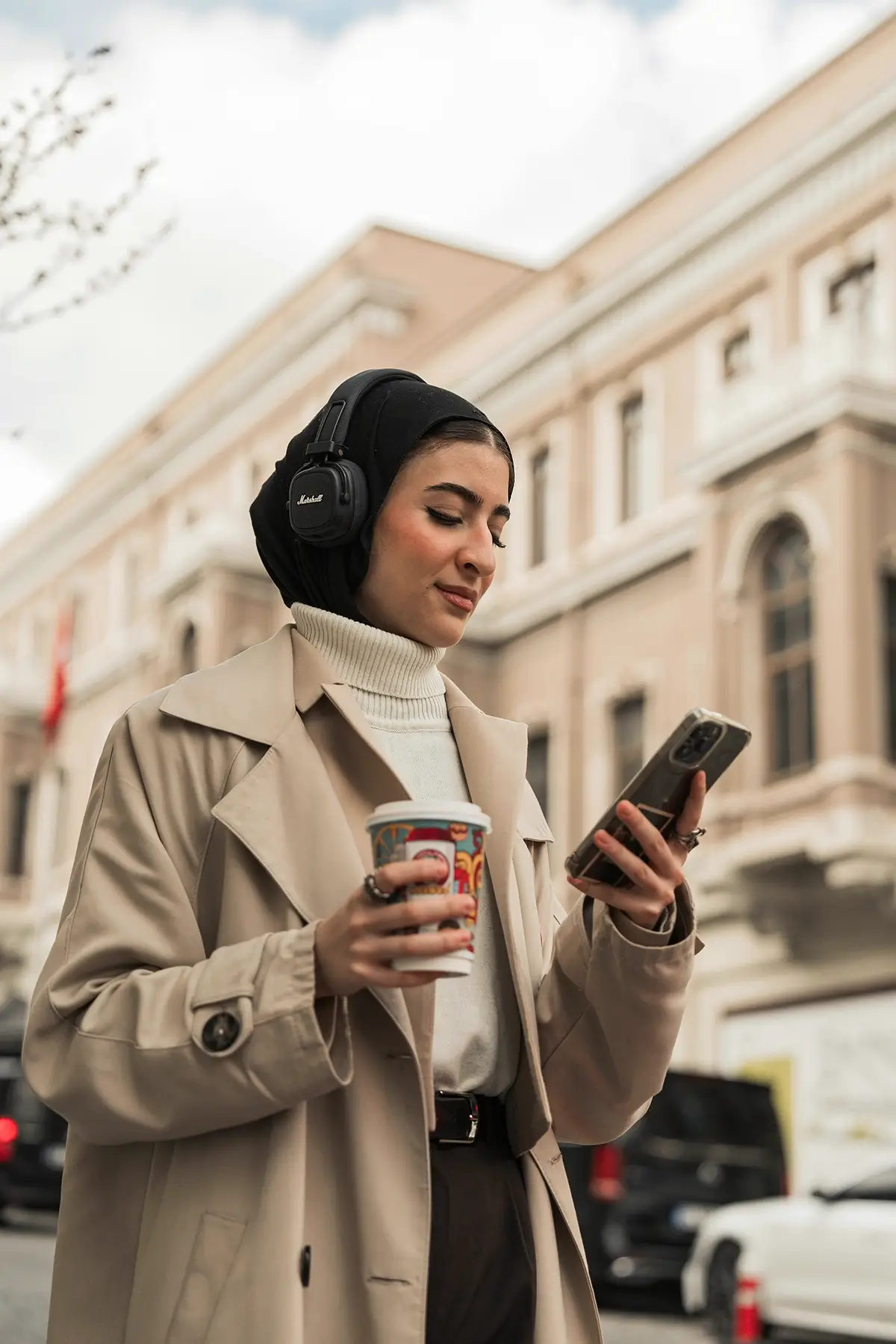
Gila described modesty as an attitude rather than a checklist. In her words, modest dressing is not about shame. It is a way to highlight the person first. Many Orthodox women cover their hair after marriage, and often cover the collarbone, elbows, and knees. The goal is not to hide a “problem body.” The goal is to wear clothing that reflects the self they want to bring into the world.
This shifts the conversation from rules to meaning. It also helps clinicians ask better questions. Instead of assuming that coverage equals shame, we can ask what clothing represents for that person. Is it spiritual practice? Cultural belonging. Comfort. Safety. All of the above.
Name the stereotypes and shift the narrative
A common outside assumption is that modest dress eliminates body image concerns. Gila pushed back on that. Thin ideals and comparison culture reach everyone. Teens in religious schools and teens in public schools face similar pressures. Adults do too. Diet culture is everywhere. That message matters for patient care. People who dress modestly can still wrestle with clothing sizes, body checking, and weight bias in clinics.
There is also a stereotype that modest dressing signals low confidence. Gila shared the reality of wearing a wig or headscarf on a hot day and walking into a room where few others look like you. Confidence is not a given. It is a practice. Many of her clients work at holding their heads high while staying aligned with their values. As providers, our job is to reflect that strength back and remove any hint of judgment from our care.
See the diversity within communities
There is no single Orthodox Jewish experience, just as there is no single Muslim, Christian, or any other faith experience. Communities differ by region, tradition, and family culture. Gila sees a strong push in many Orthodox spaces to loosen the grip of thin ideals and to affirm that beauty and worth exist at every size. Matchmaking expectations and social pressure still show up, yet counter voices are growing louder. When we work with patients, we can ask who is in their corner. A partner. A friend. A faith leader. An online community that reflects their values. Support changes what is possible.
Honor privacy while embracing diabetes tech
We also talked about diabetes tech in modest communities. Continuous glucose monitors and insulin pumps are lifesaving tools, yet they are visible. Some people are private. Some are open. Both are valid. I have worked with patients who cover devices under clothing and with patients who decorate them with pride. The through line is autonomy. You do not owe anyone your health story. You also deserve to feel less alone if you want to share it. Both choices can live under the umbrella of body respect.
If you are a clinician, pause before you ask to see a device placement. Explain the reason. Ask for consent. Offer options. “Would you prefer to show the site, or should I walk you through steps so you can check it without exposure?” Small adjustments protect trust.

Navigate healthcare with confidence
Modesty and excellent healthcare can coexist. In many faith teachings, caring for your body is a commandment, not a contradiction. That includes preventive care like Pap tests and breast exams. Appropriateness depends on the setting. At the clinic, gowns and exams are part of necessary care. Patients can choose provider gender when possible. They can also request chaperones, keep a scarf or shawl on until the moment of exam, and ask for step by step explanations.
If you have had negative experiences with pain being dismissed, you are not alone. Many of our listeners shared stories of feeling brushed off during procedures and births. You deserve providers who believe you and respond quickly. Bring an advocate if you can. Say, “I am not comfortable,” or “I am feeling sharp pain,” and ask, “What can we adjust right now.” That is self advocacy, not rudeness.
Practice body respect in daily life
Gila offered grounding tools that align well with intuitive eating and with the realities of modest dress.
Buy clothes that fit the body you have today. Bring multiple sizes into the dressing room. Face away from the mirror while you check comfort and mobility. Turn back around and notice how you feel, not the number on the tag.
Reduce body checking when you can. Move mirrors or set times when you will not do side views or pinch tests. This frees up mental space for living.
Soften comparison. We compare homes, jobs, parenting, and bodies. Notice when comparison steals joy. Redirect to values and presence. Ask, “What do I want to feel in my body right now.” Calm. Supported. Free to move.
Use touch as a friend. Place a hand on a tender area. Breathe. Offer that part of your body care without commentary. Ask a loved one for a hug if you want connection.
Reframe movement as care, not penance. Walk after meals if it feels good. Stretch in clothing that honors your needs and your values. Track how your energy and glucose respond, not calories burned.
Research backs this up. A recent study on secular and religious women found that learning about the psychology of clothing and practicing clothing choices rooted in self-expression (rather than external ideals) improved body appreciation. What’s striking is that religious identity didn’t change the outcome women across backgrounds experienced. Clothing, then, can be a tool for befriending the body, helping us feel more at home in it rather than at war with it.
Support teens and young adults with compassion
For families in modest communities, teens absorb messages from peers, media, and faith spaces. They also hear what we say about our own bodies. Consider these gentle practices at home. Celebrate function. “Your legs carried you through rehearsal.” Stock clothes that fit and feel good. Build media literacy. Ask, “Who benefits when we feel not enough.” Name diet culture when it shows up. If a teen wants privacy around clothing or devices, respect that boundary and ask how you can help.
Find community who understands body respect
Gila is one voice among many doing this work. She writes about body respect, intuitive eating, and modesty on her site and podcast. She also points to Orthodox Jewish clinicians and educators who share inclusive messages. If you are in a different faith space, look for practitioners who speak your language and understand your customs. Shared context lowers the burden of explaining yourself and opens the door to healing conversations.
If you live with diabetes or prediabetes, consider a care team that values cultural humility. Dietitians who understand modest dress can help you place devices in ways that fit your wardrobe. They can also help you plan movement, meals, and observances through holidays and fasts while honoring your medical needs.
Carry this with you
Body respect is a practice shaped by values, community, and daily choices. Some days you will feel strong and settled. Other days you will feel wobbly in the mirror or frustrated in a fitting room. You get to choose alignment again tomorrow.
You also get to choose support. Our team at Diabetes Digital works with people across faiths and cultures. We honor modesty, privacy, and autonomy while helping you care for blood sugar, hormones, and nutrition concerns. If you are ready for nutrition counseling that sees the whole you, we would love to meet you.
Transcript
0:00
Welcome back to another episode of the Diabetes Digital Podcast.
Today we have a very exciting episode and this is a conversation that we haven’t had on our podcast before.
And we are talking all about body respect within modest communities.
0:18
And we are a podcast that does prioritize diversity.
And we want to have diversity of perspectives within this podcast and really be a resource for people who are in different communities like Orthodox, Jewish, Muslim or other faith-based communities where modesty is a core value and what body respect looks like in within those communities.
0:38
And also some tips from somebody within a modest community on how to be more body confident.
Yes, and we’re going to be talking with Gila Glasberg, who’s a dietitian and certified Intuitive Eating Counselor.
After years of struggling with disordered eating herself, she was inspired to help others break free from the same cycle.
0:59
Today, she empowers girls and women to move away from dieting through live workshops and intuitive eating groups.
What are we going to be talking about today, Jess?
So today we are going to talk about what are some of the misconceptions of modesty within, you know, different religious communities.
1:18
Also, what does body respect mean in these communities who do have modesty as a core value?
We’re going to get into some stereotypes, types that some modestly dressed individuals face, whether it’s about their confidence, health or body image, and also assumptions that might show up in spaces like healthcare, Wellness or even social media.
1:38
So it’s a really, really good conversation.
And I personally love what Gila says at the end, like what she wants all listeners to take away from this conversation.
And she also has some very good concrete tips for improving body image, especially if you are somebody in a more modest community.
1:57
So with that, we’re going to jump into the episode.
Welcome to the Diabetes Digital Podcast.
I’m Wendy.
And I’m Jess, and we’re best friends, registered dietitians and diabetes educators.
Through our telehealth platform, Diabetes digital.co, we offer accessible and personalized virtual nutrition counseling for people with diabetes and pre diabetes.
2:16
Visit diabetesdigital.co that’s Co to book your first appointment.
We accept insurance and offer affordable self pay options.
Now let’s get into today’s episode.
Welcome to the podcast, Gila.
So first I just want to get a little bit more about your background.
2:35
So I know you grew up in Orthodox Jewish community and you are more modest presenting and that is one of your core values.
So I’d love to just hear a little bit more about your background and kind of your experience.
2:50
Thanks for having me on.
I’m Gila Glasburg.
So yes, I am an Orthodox Jew and if you guys know any Orthodox Jews which you which we spoke about a little bit before that you do.
Our religion is like a big part.
It’s it’s like it’s like ingrained in everything that we do, if that makes sense.
3:07
Like we talked about that among I speak about this a lot with my friends.
Like Judaism informs really all of our decisions.
So obviously within that is how we dress.
And the reason why is because we have a very high value on modesty.
But it goes much deeper than like how we dress or what we look like, because we believe that modesty really is more like an attitude than it is like a list of rules, like a list of do’s and don’ts.
3:34
So you might hear different Orthodox Jews explain this differently, but this is how I kind of understand it and how I live my life.
Tell me what you guys think about this.
But we believe that, like, the way that you’re dressed really affects the way that you behave, right?
So like, you might think about it like if you’re in in sweatpants, you might not.
3:53
And you’re like sitting at your computer and trying to get some work done.
If you were in like high heels, I’m like a really fancy outfit, you might take yourself a little bit more seriously.
So we believe that too in terms of our dress.
So we feel like if we’re not that we’re like, I think that when people hear modesty, they think like covered up.
4:08
Or maybe I think people start to think about like body shame, like my body’s bad, therefore I have to cover it up.
But we really don’t believe that.
We really believe that our body is beautiful and that God gave us a beautiful body and that to sanctify it, we cover it not because it’s dirty or bad, but because we want like who we really are to like shine through.
4:27
So by covering our bodies, it doesn’t mean covering our bodies because our bodies are ugly and we don’t want to show our bodies.
It means like covering our bodies with, let’s say, beautiful clothing or modest clothing or clothing that shows like who we truly are.
That is really what modesty is.
So I think that even amongst religious Jews, people don’t really know what modesty is or like, why do we dress a certain way?
4:48
But I think that it this happens to be something that’s very near and dear to my heart.
So probably because of what I do as a dietitian, because so much of what I do as a dietitian, we speak about body shame, that I kind of wanted to like delve deeper into the topic of modesty.
And for me, that’s what that’s really what it is.
5:04
It’s like we wear certain clothing to reflect who we really are.
And part of that is covering certain parts of our body so that we could really shine as well.
I’ll call it like a neshama, which is like our deeper self.
That makes sense.
That makes total sense.
5:21
So I was on your podcast a couple of months ago and we ended up talking like for 3045 minutes after the podcast stopped recording.
And one thing that came up in our conversation was just this idea of body image issues within folks who do dress modestly, which was opposite of the assumption that I had that people who are in more modest communities wouldn’t have as many body image issues because you are addressed more modestly.
5:49
And, you know, the focus is more on your face and your essence and who you are as a person.
And I was even sharing that I was watching Muslim Matchmaker and the two matchmakers in that series did dress modestly.
And I was talking with my husband about it as well.
6:05
I was like, wow, that seems like almost very liberating in some ways to dress modestly and, and potentially have less body image issues.
They also were incredibly stylish.
And the focus, again, felt like it was more like on their face.
But I know you have, you know, a more nuanced perspective.
6:23
So I’d love to hear your point of view.
That’s a really interesting question.
So I think that it’s like everything in life, there’s like so many layers and so much nuance.
So number one, just like diet culture and like the Wellness culture, like we could hide behind like, you know, we could say like, oh, I’m doing this for my health, but really we’re doing it to be like skinny.
6:41
It’s almost like the same thing with like religion.
Like, oh, I’m covering up for my religion, but I’m also maybe there is for some people I’m covering up because I’m, I have body shame or, and like I said before, or we were taught modesty in a way that was more shame based.
So we use modesty as a way to like look very religious, but really we’re trying to hide our body.
7:01
So obviously, there’s a spectrum that’s number one.
And #2 I think that, again, there’s like so many layers here.
But I think that as women and even now like men, we are kind of trained to, like, hate our bodies.
Like, that’s how media works.
7:17
And that’s how like diet culture works.
And that’s how I would say like consumerism works, right?
Like I heard somebody say this on a podcast once that like the makeup industry tries to get you to feel like you’re 80% beautiful so that you’ll buy, you know, you’ll buy products that make you feel 100% beautiful.
7:34
Not that we never feel 100% beautiful because that’s part of like media, right?
It’s like, you know, if you bought these glasses, if you did your hair like this, like if you dressed like this, if you bought this product, then you would feel beautiful.
And like we never do because we’re on this like hamster way of trying to feel more beautiful than that person or that model or that whatever, right?
7:51
So I think that it’s, there’s, there’s a bunch of things going on when you ask about like, you know, body positivity, body image and religion and modesty.
So number one, I’ll, I’ll use myself as an example.
First of all, I, there’s different levels of religiosity in Judaism, probably all religions, right?
8:11
So I, I just know about my religion, but we have like our guidelines of how to dress modestly.
So let’s say for, for some people, it’s covering their collarbone, covering their elbows, covering their knees that I would say those are like the three big ones and then covering your hair when you get married.
8:26
So I’m actually wearing a wig right now and all of my friends who are married wear wigs.
Most of them that I would say is like what what many people do if they want to follow the the guidelines of modesty, some people choose not to do that.
So you might, so you might meet somebody who says I’m an Orthodox Jew and they are Orthodox, meaning they keep many of the laws of the Torah, but they don’t keep all of the modesty rules, laws, however you want to call it, right?
8:55
So I grew up like not really doing all those things.
That’s why I was raised.
So I kind of took it on as I got older.
So it does kind of feel like more important to me as an adult because I chose it.
It doesn’t mean that it’s easy, right?
9:12
Like it’s really hot outside and it’s really hard to do all those things.
But for me and many of my friends, like when we speak about it, it’s like we’re constantly working on it, kind of like how we’re constantly working on like our intuitive eating mindset, right?
Like, why am I?
Why am I wearing long sleeves in the summer?
9:28
Why am I wearing a wig if it’s so hot outside?
Right?
So I have to constantly ask myself like, why am I doing this?
Oh, I’m doing this for like a higher power.
I’m doing this because I really believe in it.
I’m doing it because I feel like more wholesome, like I feel more myself when I’m outside and people aren’t seeing those parts of my body.
9:45
Is that part of my body?
Because like, I’m more than a body, even though some people could take it, some people could have like some trauma around modesty and feel like, oh, I’m covering my body because it’s dirty or something’s wrong with me.
I don’t feel like that personally, but I did struggle a lot with my body image as a child, as like a teenager.
10:02
That’s where my whole relationship with food and body image started because all of my friends were kind of like on diets.
So this is like totally separate from, I think from Judaism.
I mean, I grew up religious my whole life, but I’m saying I had a friend in high school who went to public school and she wasn’t religious and she transferred into my school.
10:22
And she said that the struggles that us religious girls were struggling with were the same that she was struggling with in in public school.
So she was in public school with boys.
And she was also like, they were all talking about like what they’re wearing and like who’s looking at them and who likes them and how skinny they are.
10:38
And me and my friends were also talking about that in school, even though we were in an Orthodox Jewish school without boys, right?
So I think that it is kind of universal.
Like there is like a female energy of like wanting to look beautiful.
And when the trend outside in the world is like, skinny is beautiful, everybody’s trying to fit in, right?
10:57
So like, I still struggled with that just like everybody else.
I think I tell this to my teenage clients all the time that like, it doesn’t really change.
Like, I’m 34 now.
Like, I think we’re all still struggling with that.
Like, even though like I live in an Orthodox Jewish community and I do dress modestly by choice, I still have access to social media.
11:17
And even if I didn’t, because I know people who don’t, I still think that culturally there’s this thin ideal that everybody wants to be thin because that’s what’s considered beautiful, right?
So like if you look in the mirror and you’re not what the model at H&M looks like, which I’m definitely not.
11:35
And even if I had no access to media, maybe some of my friends do, or maybe they just meet.
I don’t really know.
The energy in the world is like, skinny is better.
So you look in the mirror and you’re like, I’m not skinny, so therefore I’m not beautiful.
Like, I wish that I look differently, right?
And that gap creates like negative body image.
11:52
So on the one hand, I think that’s just very normal and very universal for most women.
And on the other hand, I do, I do feel very strongly about like my Jewish identity and keeping the laws of modesty.
So I think there’s like a duality of like always trying to work on myself because I’m always trying to work on like the principles of intuitive eating.
12:13
And I kind of have to coach myself on a daily basis.
Like, this is by choice.
I dress like this by choice.
And I am beautiful no matter really how I look.
And who I am has really nothing to do with the way my body looks, right?
So I think that the laws of modesty for me help me work on my body image because that’s how I really feel deep down.
12:31
But like, that’s not how I always feel on the surface because I’m a human.
Does that make sense?
Absolutely.
Total sense.
Total sense, yeah.
And I have a two-part question because I was thinking about a lot of things as you were talking. 1 is I wonder when it comes to beauty ideals in your community, like are there beauty ideals that you feel speak more to the community that you’re in?
12:54
Like for example, in black communities, we have very specific beauty ideals around not necessarily thinness, but more so around like body shape and being curvy, also around hair texture, right tone, things like that.
So I’m curious like what does that look like in your community?
13:13
And also like in your experience working with faith-based cultures that are more modest, are there body issues that you find that are more unique to those communities?
Because we have come across like the desire to be thin, but is there a little more nuance and like what that might look like in these communities in your experience?
13:33
So first of all, I want to explain that just like there are different levels of religiosity and Orthodox Judaism, there’s also different cultures based on where you live.
So I live in New York and I live in Long Island.
13:49
So there’s a there’s tons of Jews here and there’s also different pockets of Jews, like different communities within communities.
And my father lives in Rochester, NY, which is considered out of town, right?
So I would say like in the more New York, New Jersey tri-state area, there is a totally different culture around modesty and body image and there is out of town.
14:12
That being said, I only could speak to my community.
So, but from what I, from what I hear and from what I gather and even from clients who I have in different places in the world, I think that there is like there’s definitely an obsession with being thin.
And I actually speak to people about this a lot.
14:28
Like I try to understand it from, from even like an Orthodox Jewish perspective because like, like I think one of the core values as an Orthodox Jew is that like we don’t value materialism for materialism’s sake.
I think that might be like, not just an Orthodox Jewish thing, right?
14:47
Like I think deep down we all, we all want to feel like our lives are much more important than material value, right?
I think, I think for sure people in the intuitive being space, like that’s basically what it comes down to is like, I’m so much more than just my physical body.
15:04
That’s that’s what I feel like.
However, I think that I’m not sure why or how I have my theories.
There has become this huge ideal with being a certain body type and fitting the beauty standards.
15:20
And it’s spoken about in our magazines and it’s spoken about like just everywhere about like, you know, I’m sure you’ve heard about like matchmaking.
Like we get married young.
We start dating when we’re 18 or 19 or 20.
People say, like, how are you going to get married if you’re that size, right?
And then there’s like the whole intuitive eating help at every size.
15:36
Even like Orthodox Jews who are like, how could you say that that’s, that’s not a Jewish value?
Like God makes matches, not like, you know, skinny people get married, fat people get married, right?
There’s like a whole debate in, in my, in my world.
So I think that I think that like my friends who are Orthodox and they’re also doing intuitive eating, whether they’re dietitians or they’re therapists or whatever.
15:59
Like we all, we are all trying really hard to change the narrative of like bodies come in all shapes and sizes.
That’s how God made it.
Beauty could be at any size, right?
Like some men think really skinny women are attractive and some men think curvy women are attractive or fat women are attractive, right?
16:14
Like trying to really change that narrative.
But yes, I do think in the mainstream, the Orthodox Jewish world, there is this obsession with the thin, with trying to be the thinites, like the beauty standard is the thin ideal.
At the same time, I think people are trying to break that narrative because they know that that’s not really in line with the Jewish value of we’re more than how we look.
16:36
Does that make sense?
Yes, that makes total sense.
I’m curious also, like I know you talked a little bit about this, but even, you know, diving deeper into ’cause I feel like there are probably a lot of stereotypes about people who do dress modestly, whether for religious reasons or other reasons.
16:56
What are some of the stereotypes that like you feel you face or you see your clients face?
It could be about confidence, health or even body image in your communities.
Interesting.
So first of all, I’m just, I want to speak to my about myself for a second.
17:11
Like I, let’s say like yesterday I went to Staples and I went to do my Amazon return, right?
So I wasn’t wearing a wig.
So like most people might not know that I’m wearing a wig.
So we wear like headscarves to cover our hair as well, especially in the heat.
So when I go into a store where most of the people there are not Jewish, well, there’s so many Jews here, but there’s also a lot of people who aren’t Jewish, I feel like a little bit of self-conscious that, like, I look different.
17:37
Yeah.
I think that’s just a natural part of life.
When we walk into a place and most people look one way, we kind of want to fit in.
So the stereotype might be like, oh, she’s so confident for doing that, right?
But like, I don’t really have a choice.
Like, I do choose to cover my hair.
So it’s either wearing, like, a wig in 90° weather or it’s wearing a headscarf, right?
17:54
So it’s like I have enough confidence that I choose to do it every single day, but I still sometimes feel a little bit out of place, like what am I doing?
But I think that at least for me, it’s, I try to strengthen my belief in God that I’m like, I’m doing this for God.
I’m doing this because I know it’s right.
18:09
And I don’t always feel beautiful, but like I at least I try to tell myself like I know that I look beautiful because this is I’m doing the right thing.
And I think other women do struggle with that.
There’s all different ways that people cover their hair.
Like there are people who have really realistic looking wigs and you would never know that they’re wearing wig or they wear like a wig with a headband.
18:27
So you don’t really see like the part where it would look less realistic.
Or some people are super confident and they always wear a headscarf no matter where they go, they go on a plane with a headscarf.
You know, some people always say, like, I’d rather fit in at the airport.
So I’ll wear I’ll wear my wig.
And other people are like, I don’t mind wearing my headscarf.
18:43
I think it’s a personal preference slash a lesson in confidence.
And I’m talking to myself now also, like sometimes I have to give myself a pep talk.
Like I can’t wear a wig today.
It’s way too hot.
So I’m going to wear a scarf and I’m going to probably stand out in the crowd and I’m going to have to like, hold my head up high and like, nobody really cares how I look.
19:00
That’s how I would tell any client, whether they were religious or not religious, Jewish or not Jewish.
I would tell them like, you know when you walk into a room, you know when somebody walks into a room and like they look beautiful and you look at them and you notice them and you notice them for maybe 3 seconds and then you move on.
Or like somebody walks into a room and you haven’t seen them in a month and they gain 10 lbs or they just had a baby and you notice them for maybe 10 seconds and then they’re like, oh, want to grab a cup of coffee?
19:24
Like they don’t really care.
So nobody really cares about how I look, right?
Only I am in my head.
So I think like the lessons that we learn from modesty and like being true to yourself and dressing in a way that is aligned with your values is totally aligned with like the intuitive eating culture, you know, So it’s like I work on my Judaism and I work on my intuitive eating.
19:45
And I think that’s why intuitive eating speaks to a lot of my Orthodox clients because it’s they’re, they kind of like they really align in that way.
Yeah, Yeah, that makes sense.
Working in healthcare, I’m curious to know what your experience has been like.
20:02
We’re in the diabetes space and especially now where devices are a lot more common amongst people that have both pre diabetes and diabetes, like the CGMS, for example.
If you do have diabetes, insulin pumps for example, and having to wear it on your body and check and maybe expose that to like a healthcare provider so that they can check what’s going on.
20:24
How might that affect someone’s experience who is more modest and like going into healthcare settings?
Like maybe their experience is affected because I don’t know, maybe modesty plays a role in like them having the device and like wanting to show it to the healthcare provider.
20:40
Like what is your experience been with that?
Is there any like correlation there?
So it’s interesting.
This just popped into my head.
I didn’t even think of it before, but there’s a woman in my community.
She doesn’t live in my community.
She lives in Chicago, but she’s an Orthodox Jewish woman.
20:56
Her name is Alyssa Goldwater and she just published a book called All Bodies Are.
I believe that’s what it’s called.
And her son has type 1 diabetes and she’s very vocal about it.
She’s a Jewish influencer on Instagram.
You can check her out, shout out to her.
21:13
Maybe she would come on your podcast.
And she the book is really it’s a really beautiful book.
And I think it’s really making waves in the Orthodox Jewish community because like some of these things are taboo.
Like we haven’t really spoken about them publicly and she does definitely speak about them.
So she’s somebody living in a larger body and she speaks openly about her binge eating disorder and how like she’s been in recovery and she’s been in treatment centers.
21:36
And so I think that she’s like a really beautiful representation of like how all bodies are beautiful and they’re all created by God, whether it’s a body with diabetes or without diabetes, right?
So her son has diabetes and he wears a pump.
So I think that there’s there definitely is more conversation around how bodies come in all shapes and sizes.
21:57
And they also come in all different with all different disabilities or diseases or things like that.
And it’s, and it’s nobody’s fault and it’s all OK.
And we should like embrace and we should embrace all of it.
That’s one thing I wanted to say about it.
Another thing I wanted to say about it is that I think it’s really a personal decision if somebody wanted to share that or not share that or if they would felt embarrassed by it or not, or they didn’t feel embarrassed by it.
22:24
You know, because I know like there are kids in my community that have different disabilities and some of them are like super embarrassed about it or the and, or their parents are embarrassed about it and some of them are totally vocal about it and not embarrassed about it.
So I think it’s like, I think this is like an in general type of thing where we’re trying to like break stigma, but also the, the nuance of like you don’t have to share every single thing about your life.
22:47
Like it could still be private.
Like it doesn’t mean like if you have diabetes, it doesn’t mean that you have to tell people.
It doesn’t mean you have to hide it.
It’s kind of like a, to me, it’s kind of like a personal preference.
Like how do you feel sharing it?
And if you do feel comfortable sharing it, I think it’s a beautiful thing because we all have things that are quote UN quote wrong with our body.
23:07
We all have things that make us imperfect, right?
And it doesn’t mean that like you’re less than if you show it, if if anything, I think it’s very brave, but also like sometimes like it’s just very lonely to not share it, but also like it’s your prerogative if you don’t want to share it.
23:23
I that that’s how I feel about it.
And I think that’s how I think that’s how the narrative is kind of like going now.
For going into the doctor’s office for testing that’s a little more invasive, like, for example, a pap or like a breast exam.
23:39
Have you noticed that there’s like hesitation around modest communities to like get those types of tests done?
Or does it have to be with like a certain provider so that the comfort is there?
What’s your experience with that?
Yeah.
So I would say like, I think that this is also like the narrative in in my community, like and I’m I’m really happy to be able to share this publicly.
23:58
So the word for modesty in Hebrew is sneas, and the way that we translate it is modest.
But I really think that it’s more like the English translation would be more like appropriate dress, right?
So we believe like on the street, like the appropriate dress were to be, like I said before, like covering your collarbone, covering your elbows, covering your knees according to Jewish law, right?
24:19
But like if you’re in your bedroom, like there’s a different appropriate dress, right?
If you’re at the doctor, there’s a different quote UN quote appropriate dress.
So we believe very much in like taking care of your health.
We believe in taking care of your physical body.
It’s a, it’s actually like a Jewish commandment to watch over your health, right?
24:37
So what will, like you asked before about a Pap smear.
Like we know that there’s a certain age that you’re supposed to be getting a Pap smear.
We know that you’re, there’s a certain age that you’re supposed to be doing certain things for your health.
So we’re not against that at all.
Should you be dressed like that on the street?
Maybe not, because like that’s not in accordance with Jewish law, but if you’re at the doctor, that’s appropriate.
24:56
That’s totally appropriate #1 and #2 a man is allowed to see you in the context of a doctor’s visit.
But that definitely goes based on how you feel.
Like I know for myself for many years I had a female OBGYN and that was what I was comfortable with.
25:11
But I know plenty of people.
I mean, I just did switch to a male OBGYN because I had my last two births were C sections and I wanted to have a feedback.
So my Doctor Who was a female didn’t want to try forever back after two C-section.
So I had to switch and I wasn’t so comfortable.
25:27
Now when you when you’re giving birth, I didn’t really care.
I’m just like, get this baby out of me.
But that was my comfort level.
And there’s a lot of people who are like, I would so much prefer work with a male provider.
I feel more comfortable.
So I think that’s also like, again, like when you’re at the doctor, I think maybe some people think like Orthodox Jews are extreme and they wouldn’t go to the doctor or they wouldn’t be seen by a male doctor if appropriate.
25:47
But it’s not true at all.
The definition of tennis is not really modesty.
It’s more like appropriateness or however, I don’t really know how to translate it into English.
But of course, if you’re at the doctor, you have to be undressed at at certain times and certain parts of your eyes have to be undressed.
And the the male doctor, there’s nothing sexual about it.
26:04
It’s completely medical, Right.
So like we’re, I think we’re level headed in that way, you know?
Yeah.
Yeah, that makes sense.
I I bring it up only because being from an immigrant household, there is that hesitation there, just like with going to the doctor period, but especially with more invasive procedures.
26:23
So yeah, I just wanted to know like how that translates because it’s something that happens a lot in immigrant communities, more so like a distrust of like being exposed in that way.
Right.
Yeah.
Yeah, I get it.
And I feel like too, I don’t know, like I also feel more comfortable with a woman GYNI have had bad experiences with men GYNS.
26:46
And I’m literally just listening to a podcast right now called I believe it’s called the retrievals.
And it’s about how women who have C sections, there’s a certain percentage who feel pain like the anesthesia doesn’t work and how, like, for decades and decades, we just brush off the woman’s pain.
27:03
It’s no big deal.
And oftentimes it is like male doctors, male anesthesiologists who are just like, shut up, woman.
And you know, you’re being dramatic or like, oh, it’s your anxiety.
And it’s like a literally I’m feeling the knife cutting through my skin.
Something is wrong.
27:18
I know it’s crazy.
So I totally understand that in whatever like when you’re saying Wendy, in whatever community, the lack of trust in finding a provider who makes sense for you regardless of like your background.
Yeah.
I just think that like from my own experience and from what I’ve heard from other people that like we do, many of us grow up in like same sex schools.
27:40
And yeah, we don’t go to school with the opposite gender.
And then we don’t like spend time with the opposite gender unless it’s like our families and then we get married.
Then we we’re encouraged to get married young and then like we’re in like, then we have to go see like a male doctor.
Like a lot of people don’t feel so comfortable with that.
27:56
But like after you, you know, have a baby, after you have a few kids, a lot of us have many children.
Like I just said, I have my fifth child.
You become more comfortable with it because you know, like again, like it’s, that’s appropriate.
Like this is a medical doctor.
But for sure, like at least I would encourage anybody if you’re not comfortable, whether it’s a female doctor or a male doctor, like for sure find the provider that you’re comfortable with.
28:18
And like, it’s totally fine if you’re not comfortable with a male doctor, you know, like there’s so many female OBGYN’s or any type of doctors.
Yeah, you had mentioned a Jewish influencer who was like more in the Hayes community.
And I’m very curious because we all have our algorithms, right?
28:37
And I know like my algorithm is one thing and like the the people in my algorithm who are like more body confidence accounts, like tend to look a certain way, dress a certain way.
Do you feel like there are people in certain communities, like maybe the modest community, who get left out of different narratives like and there is more of a narrow definition of body confidence and what that could look like?
29:04
So like I’ve seen people post on Instagram like non Jewish influencers and also Jewish influencers who maybe don’t dress like I said before, like with all the full my rules, which is no judgement.
I’m not saying that in any judgement away.
29:19
Let’s say they’ll show like their stretch marks or they’ll show themselves in a bikini and being like, I’m confidently going to the beach.
I happen to think that that’s really beautiful.
And that really I think helps a lot of women.
Like, wow, she could do it.
I could do it.
Or like she’s embracing her body.
I can embrace my body at the same time.
29:37
Like my Jewish value system says like that I’m not allowed to do that.
And like, I’m OK with that.
Yeah.
But there is a part of me that’s like, oh, I wish that I could not like to show off my body, but just to show people like, you know, I, like I just said, I just had my 5th baby.
29:54
Like my body looks totally different.
Like even from last summer to this summer.
I can’t wear those clothes.
They don’t fit me anymore.
So how do I, how do I work on that?
Right.
So there’s a process for me.
Like they always tell my clients like I’m in it with you.
Like I don’t wake up every morning like they ask me sometimes they’re like, so you feel really good about your body.
30:11
I’m like, no, I don’t look in the mirror and I’m like, I’m so happy that I’m 30 lbs heavier than I was last time.
I’m like, I don’t do that.
But I do try to embrace my new body, right?
Like I do also try to embrace the fact that like my body is incredible that it births 5 healthy children, thank God.
30:29
So I think that there’s a huge value to be able to confidently show your body on social media so that other people could feel beautiful in their body.
But I also live within my value system, my Jewish value system of like, I’m not going to do that.
But I do want women to know that I think that’s beautiful.
30:45
And I think that whatever is considered culturally appropriate for you.
Like it’s so sad that people feel like they can’t go to the beach in the bathing suit because their culture, their diet culture, tells them that they can’t.
Yeah.
But again, in my, within my Jewish Orthodox world, for those who chose, who are constantly choosing to dress modestly, I don’t think that they feel necessarily left out.
31:07
Like this woman who I was talking about, Alyssa Goldwater, like she’s very popular in the, in the Jewish world and people send her clothing to try on and, and like I sometimes watch her stories and I’m like, Oh, I’m going to order that.
They have a, they have a plus size section.
Like I think that if anything, like the plus size Orthodox world is actually very much represented in in social media, which is really beautiful.
31:31
In the body image work that you’re doing, are there tools that are helpful with the clients that you work with, with like building body confidence or just like resources that you have for them or conversations that you usually have just to like build up that confidence, especially for people who are more modest?
31:49
Yeah.
So it’s usually like the kind of like some of the things that I’ve already said in in this interview, like I will tell them like some of the things that I’ve learned like through the intuitive reading book and the intuitive reading workbook of like, like the chapter on body respect is like really aligned with our Jewish values.
Like stop body checking, stop body comparing, stop weighing yourself, buy clothes that fit.
32:10
I always tell that to people like Evelyn Tripoli actually told me this either.
She told this to me in one of our sessions together or, or when she was when I was doing the training with her.
But she she said, like when you go shopping for clothing, take like a few sizes.
Like let’s say you’re usually a large, take an extra large and take a medium and try, you know, turn your back to the mirror and try on the clothes.
32:29
And then which size actually feels really good?
Like do a little jiggle.
Like where are you able to move the best?
Like where are you not feeling like restricted with your breathing?
And then you’re like, Oh, this is the size extra large.
Who cares?
You know, turn around and be like, Oh, I look beautiful.
It’s size extra large.
It’s totally doesn’t matter.
They made-up the size, you know, that is just like a universal thing that I would tell any client Jewish, not Jewish, keeps the laws of honesty, doesn’t keep the laws of honesty.
32:51
Like we’re all kind of in this together.
And I think that I think that, like I said before, we all body track, We all body compare, right?
And like, and you could take that with anything like I, I tell this to clients like you’re besides you, the fact that you’re body comparing, you’re also comparing like the size of your house to your neighbor’s house, right?
33:08
We all do this.
And that also is like the life feats, you know, like when we compare.
So I think like all these universal things that help us have a better life, help us with our body positivity that comes up all the time in session.
But then there’s also like, maybe like, I don’t tell people to post on social media.
33:27
There are stretch marks, but maybe I’ll tell them to look in the mirror and I’ll tell them to like place their hand on a certain body part that they feel insecure about and to send love there and to hug themselves and to maybe tell somebody that they love to hug them and to really work on being present in their body.
Because we all know.
33:43
I mean, at least I know very well from my own life experience that like body, like feeling at war with your body is so painful because, yeah, our body is from a religious perspective, it’s it’s, it’s the place that houses our soul from, you know, from a universal perspective, it’s the thing that we have the longest relationship with in our whole lives, right?
34:01
Like I always say this to clients, like right now my heart is pumping and my stomach’s digesting my food from lunch and I see you guys and I see color and I, I feel so I feel so much in my body and like to be at war with it really because of diet culture is like stealing my life, you know?
34:18
So I think that that’s, that definitely aligns very much with an Orthodox Jew because like we believe so much in like the higher power, but I think that this is just like universal truths that like we all want to believe that like the world is like that.
We’re so much more than like a skinny body.
34:35
You know, we’re so much more than trying to be a skinny body.
Like there’s so much more to our lives.
So I think that that helps us as Jews because like, it’s so much like I said in the beginning, like my Jewishness like informs my entire life.
So when I can be in a, in that headspace, even though like I’m a human, so like my brain, my tell me like I look disgusting today because I gained 30 lbs from last summer.
34:55
I don’t know how much weight.
I’m just giving an example.
I know that I could tap into like my Jewish values and be like, I’m so much more than my body and like I could still be beautiful even if I’m 30 lbs heavier.
And you know, but whatever I said before.
So I think that if anything, if you really tap into like your Jewish faith or any faith that then it helps you be more body positive.
35:18
Yeah, Oh my gosh, I love it all in wrapping.
Like what’s 1 message that you help listeners take away from this conversation?
I hope that number one, people are proud of who they are.
Like whatever religion you are, whether you’re religious or you’re not religious, I want people to take ownership of their choices as an adult, right?
35:40
So I said before, like I didn’t grow up dressing this modestly, and now I do.
And like, some days I’ll tell myself like, this is so annoying.
But at the end of the day, like this is what I chose, right?
So it’s the same thing with somebody who is working on intuitive eating.
Like you could go on a diet, like you’re allowed to do whatever you want, but you know what comes with that, right?
36:00
Because you’ve done it like 100 times.
So even though like you’re going to go out to eat with your friends and they’re going to be talking about their dieting and you’re going to feel like insecure because like you haven’t been on a diet in a year, Be true to yourself because you know deep down that dieting doesn’t work.
So like I said before, when I walk them to Staples, I want to feel confident because I nobody’s forcing me to put a head scrub on my head.
36:20
I’m making that choice.
And I really want to represent that for my, for my, for myself, for my children that as adults, like we make choices, right?
So if you believe in intuitive eating and it really speaks to your soul and you know that dieting has never helped you and you know that you’re so much more than a body.
36:39
Just because 90% of your friends are still dieting, because 90% of my friends are still dieting, it doesn’t mean that you can’t do what’s true to yourself.
And like, it’s OK if you stand out a little bit because like if you love yourself, like you’ll project that like, like that love.
36:54
So it’s way easier said than done because I’m still working on it, like I said before.
But I think that that’s like, that’s like what I’m always trying to help clients work on like is to love themselves no matter how they look, no matter how they dress, no matter what their background is.
Like make the choices that you that you want to make as an adult and stick to them, you know?
37:13
Amazing.
And my last question is a where can people find you if they want to work with you?
Are you online?
I know you have a podcast, so definitely plug that too.
And then also it’s a two-part question.
Are there any additional like books, accounts, or communities that you’d recommend folks explore for body respect who dress more modestly or are in faith-based communities that dress more modestly?
37:41
Yeah, sure.
So you can find me at my website, gilaglasburg.com.
So I have tons of blogs there and I have my podcast there and I have resources there.
You could take a course by me.
You could download one of my workbooks.
I’m also on Instagram at Gila dot Glasburgh dot Intuitive Rd. and my podcast is called Get Into It with Gila.
38:02
There’s so many other dietitians that are in the Orthodox Jewish world.
So there’s Rachel Goodman, she has a podcast.
Reena Riser has a podcast.
Rachel Hyneman has a podcast and if you type in any of these names, usually like one person leaves you down the other rabbit hole of podcasting, which is great.
38:21
Also, Rachel Tuchman has a Instagram.
She talks a lot about body positivity and she is also orthodox and orthodox too.
And Alyssa Goldwater, check out her book All Bodies Are.
And I interviewed her on my podcast about her story.
I think she came on like 3 times.
38:37
So that’s those are like really good.
Yeah, those are really good places to start.
And yeah, that’s it.
Amazing, thank you so much.
This was such a great conversation.
Sure.
Thank you for having me.
Thanks for joining us for today’s episode.
38:54
If you’re interested in nutrition counseling with one of our expert dietitians to help improve your pre diabetes or diabetes, visit us at diabetesdigital.co.
Also, if you found our conversation helpful, do us a favor and rate and review this podcast on iTunes, plus share with someone who might find this helpful.
39:12
You can also connect with us on Instagram at Diabetes Digital.
Co and TuneIn every Wednesday for practical, inclusive and culturally humble diabetes insights.
We’ll catch you later.
Bye.





Leave a Reply