


Sleep is one of those health topics that sounds simple on the surface but plays a much bigger role in our health than most of us realize. You know you should be getting more of it. You can feel the difference when you do not. And yet, when blood sugar feels off, sleep is often the last thing people look at. In my experience as a dietitian, sleep is one of the most overlooked pieces of blood sugar support, even for people who are eating consistently, taking medications, and staying active. We recently did a podcast episode on blood sugar and sleep, where Jess and Wendy share their personal experiences and clinical insights.
Are you living with diabetes or prediabetes and want support from a Registered Dietitian Nutritionist covered by insurance? Take our intake quiz to sign up for 1:1 nutrition counseling with our culturally humble, weight-inclusive Diabetes Dietitians. Our 12-week program helps you lower your A1c and improve your relationship with food. Most insurance patients pay $0 out of pocket! Start your journey to better health today.
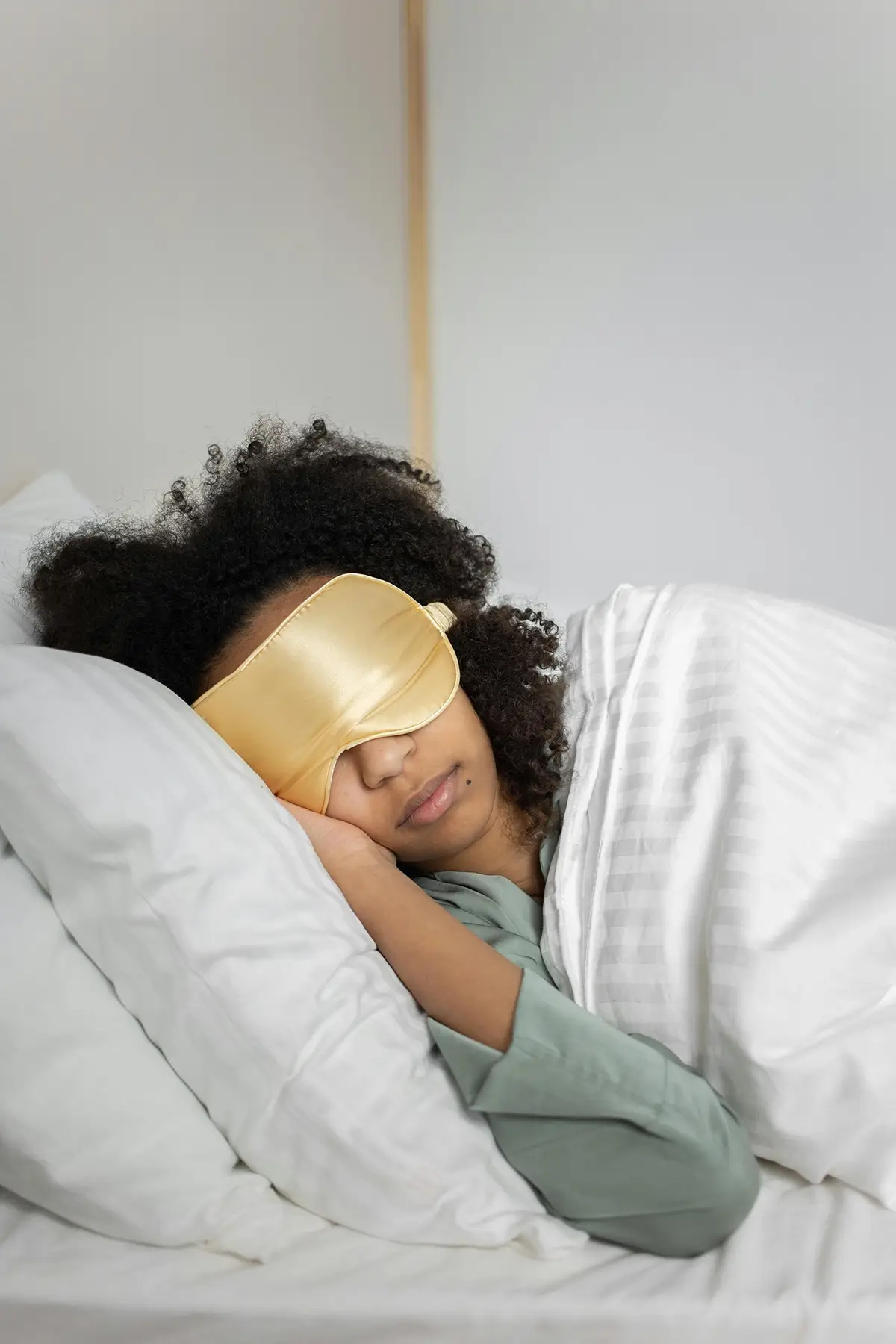
When we talk about sleep and blood sugar, we are not talking about perfection or rigid routines. We are talking about patterns. We are talking about how your body responds when it does not get the rest it needs, and why your numbers might look confusing even when your habits feel steady.
How blood sugar and sleep are connected
Poor sleep can change insulin response
One of the biggest ways sleep affects blood sugar is through insulin sensitivity. Insulin is the hormone that helps move glucose from your bloodstream into your cells so it can be used for energy. When sleep is disrupted, your cells become less responsive to insulin. That means your body has to work harder to manage the same meals you normally eat.
I see this all the time with clients. Someone eats the same breakfast they’ve had for years, and suddenly their blood sugar runs higher the next day. When we dig in, nothing has changed with food, but they mention their sleep has been off for a few days.
This shift can happen after just a few nights of poor sleep. You may notice higher fasting numbers in the morning or more stubborn post meal spikes. It can feel frustrating, especially when you are doing your best to stay consistent.
Cortisol and fasting blood sugar are closely linked
Sleep also affects cortisol, which is often called the stress hormone. Cortisol naturally rises in the morning to help you wake up and should be lower at night. When sleep is disrupted, that rhythm can flip.
Higher cortisol at night can signal your liver to release stored glucose while you are sleeping. This is one reason people may wake up with higher fasting blood sugar even if they did not eat late or snack overnight.
If you have ever wondered why your morning numbers feel unpredictable, sleep may be worth considering.
Hunger and fullness cues shift with poor sleep
Sleep deprivation also impacts hunger and satiety hormones. Ghrelin, the hormone that increases hunger, tends to rise when sleep is short. Leptin, the hormone that signals fullness, tends to drop.
What does that mean in real life? You may feel hungrier during the day. You may feel less satisfied after meals. You may crave quick energy foods because your body is trying to compensate.
Overnight blood sugar patterns can shift
Sleep quality matters just as much as sleep duration. Deep sleep supports growth hormone release, which plays a role in metabolism and overnight glucose stability. When deep sleep is limited, blood sugar may run higher overnight.
For people using a CGM, this can show up as more fluctuations while sleeping or higher numbers in the early morning hours. For others, it may simply feel like waking up tired before the day even starts.
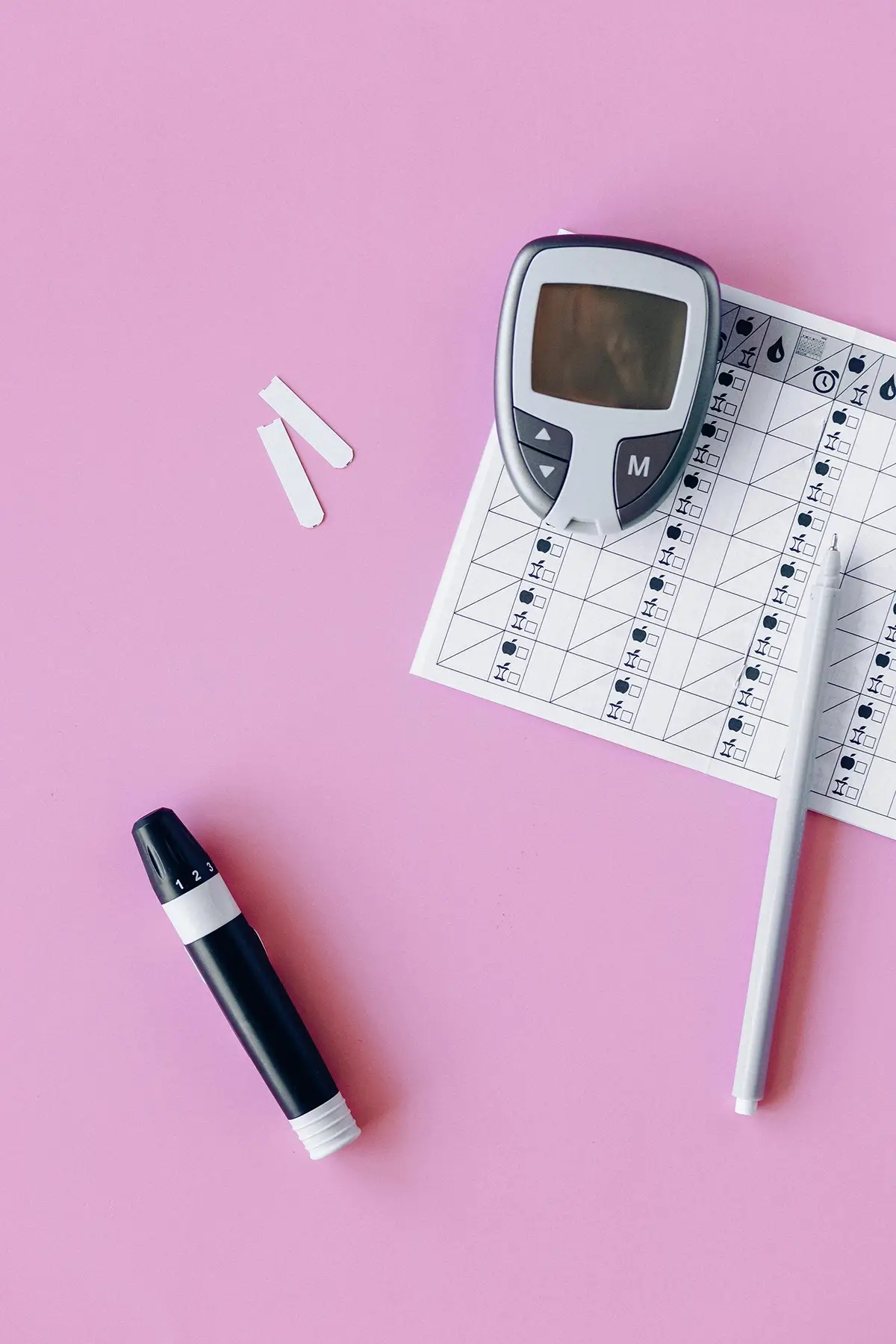
What to know to support both blood sugar and sleep
Evening meals and snacks can support steadier sleep
One of the most helpful strategies discussed in the episode is supporting steady blood sugar before bed. This does not mean eating perfectly or avoiding food at night.
A balanced evening meal that includes carbohydrates, protein, fiber, and fat can help prevent overnight lows or spikes. Timing matters too, but it is individual. Some people sleep better with dinner earlier. Others do better with a small snack closer to bedtime.
What matters most is avoiding extremes. Going to bed overly hungry or uncomfortably full can disrupt sleep and blood sugar.
In practice, this might look like dinner followed by a simple bedtime snack if you notice better sleep with it. Peanut butter, cheese and crackers, or a protein bar are common options that provide steady energy overnight. This is something many of our patients experiment with, especially those who wake up with higher fasting glucose.
Create a wind down routine
A calming wind down routine can make a real difference for sleep quality. Many people think of scrolling, watching T.V. shows, or catching up on news helps them relax. In reality, it often keeps the nervous system activated.
Simple shifts can help. Dimming lights. Putting the phone away before bed. Choosing calm or familiar shows if you watch TV at night. Gentle stretching or an evening walk can also help bring blood sugar down and signal to your body that it is time to rest.
Movement does not have to be intense to be supportive. Even a short walk after dinner can help with glucose levels and sleep readiness.

Caffeine and alcohol affect sleep differently for everyone
Caffeine timing is highly individual and often influenced by culture and tolerance. Some people can drink coffee in the evening and sleep just fine. Others feel jittery hours later.
If sleep or blood sugar feels off, it can be helpful to observe how caffeine after midday affects you personally. There is no universal cutoff time.
Alcohol is another factor worth paying attention to. While it may feel relaxing initially, alcohol can disrupt sleep later in the night and lead to early morning awakenings or glucose rebounds. It can also increase the risk of overnight lows for people on insulin or certain medications. Awareness matters more than rules here. Your body will give you feedback.
Consistent sleep schedules support hormone balance
Going to bed and waking up around the same time each day helps regulate circadian rhythm, melatonin, and cortisol. Large swings in sleep timing, especially on weekends, can make Mondays feel harder than they need to be.
Sleep environment matters too. A cool, dark, quiet room supports deeper sleep. Many people find blackout curtains, sleep masks, or earplugs helpful. Temperature preferences vary, but cooler rooms tend to support better rest, especially during perimenopause.
Supplements come up often and deserve nuance
Sleep supplements are a common question in sessions. Melatonin is the most well known, but it is not always the best long term solution. The body needs small amounts, and long term use has mixed evidence.
Magnesium, particularly magnesium glycinate, has been studied for relaxation and sleep support. It tends to be gentle, though vivid dreams are a common experience for some people.
Progesterone is another option that may support sleep for people in perimenopause or menopause, especially those using hormone therapy. It has calming effects on the brain and may reduce nighttime cortisol surges.
Supplements are not one size fits all. They can interact with medications and affect overnight awareness of blood sugar changes. This is why conversations with a provider matter.

Start with lifestyle before jumping to fixes
Sleep is not separate from blood sugar. Blood sugar and sleep are part of the same system. The good news is that small changes can make a meaningful difference.
Transcript
Welcome back to another episode of the diabetes digital podcast hosted by Food Heaven.
I am Wendy and I’m joined today with Jess, who is my other half when it comes to all these business and today we wanted to do an episode about blood sugar and sleep.
0:22
It’s something that we know personally matters so much because I feel like we both transform when we’re not sleeping.
Well.
Jess and I, we for our last, our first and our most recent team retreat, there was like an issue with the bed.
0:40
I think it was broken.
Yeah.
Yeah.
And it was a disaster because that was like the first day of our retreat and she was miserable.
I can kind of sleep through most things, but I don’t necessarily feel like the most rested.
0:59
But she was going through it and she was like, if they don’t fix it, we’re going to have to leave.
So they came in and they fixed it.
And we know that sleep is just something that matters so much when it comes to health, and it’s also very overlooked when it comes to blood sugar management.
1:22
People might be eating really nutritious meals, eating consistently, being pretty active, taking their medications if they take them, and their numbers might still be off.
And so something that we always like to address is sleep because it can have a direct impact on your blood glucose.
1:40
So today we are going to be talking a little bit more about blood sugar and sleep.
We’re going to talk about some of the research, some of the things that we’ve seen when it comes to sleep and blood glucose management, some tips and supplements that might also be helpful.
1:58
So yeah, without further ado, let’s jump right in.
Welcome to the Diabetes Digital Podcast.
I’m Wendy.
And I’m Jess, and we’re best friends, registered dietitians and diabetes educators.
Through our telehealth platform, Diabetes digital.co, we offer accessible and personalized virtual nutrition counseling for people with diabetes and pre diabetes Visit.
2:21
Diabetesdigital.co.co to book your first appointment.
We accept insurance and offer affordable self pay options.
Now let’s get into today’s episode.
OK, We want to start off with reading a review from one of our diabetes digital clients, and I think this was Jenny’s idea.
2:43
Jenny’s our community outreach manager.
She manages the podcast and this review is from, I’m not even going to say their name even though they did paste their name on our Google reviews.
I’ll just do their I’ll do her first name.
Her first name is Gabriella and she says I’ve been working with DD for over a year after some high A1C levels.
3:06
They are fully covered under my insurance so I haven’t paid out of pocket at all for services.
I can’t recommend them enough.
Flexible virtual visits, comprehensive information.
Warm, attentive and knowledgeable.
All capitals on knowledgeable conditions, holistic approach and aware and combating all the BS diet info out there.
3:26
My levels have improved and I see them now once a month to check in on progress.
No exaggeration that working with them has been life changing.
Thank you Dee Dee.
Aw, how sweet.
That’s so sweet.
Thank you.
We love all of our clients and if you’re looking to work with a dietitian, definitely check us out at diabetesdigital.co.
3:46
And with that, we’re going to jump into the episode.
So how does sleep impact blood sugar?
Well, there are couple of different ways blood sugar and sleep are linked.
One of them being that sleep changes how your body responds to insulin.
I’m sure if you listen to this podcast, you’ve heard about insulin.
Insulin is the hormone that helps glucose, which is the sugar in your blood get into the cells.
4:08
And that’s a very important process.
But poor sleep makes your cells less responsive to insulin, and they call this insulin resistance.
And so another way to think about it is the key, which is insulin doesn’t open the door, which is the cell as easily.
4:24
So your body has to produce more insulin to handle the same amount of food.
And the result can be higher blood sugar the next day even if your meals look the same.
So that’s one way.
Another way is blood sugar and sleep are linked is that sleep impacts cortisol, which you guys have probably heard of as the stress hormone.
Cortisol technically should be low at night and higher in the morning, but poor sleep flips that pattern.
4:46
So if you have higher nighttime cortisol, it will signal your liver to release stored glucose and this can often cause higher fasting glucose in the morning.
Poor sleep can also deregulate your hunger and satiety hormones.
So there is a hormone called ghrelin, and when you have poor sleep, it can increase this hormone which regulates your hunger cues, meaning you might be feeling more hungry when you have poor sleep.
5:13
And then the opposite, it can decrease leptin, which is the fullness hormone, and that signals to your brain that your body is satisfied.
So you might not recognize if you’re satisfied or if you need a little bit more food.
5:30
And so you might be feeling hungrier during the day if you’re not sleeping well, you might be feeling less satisfied again because of that leptin hormone being deregulated.
And so you might notice that you might crave foods that are going to give you quick energy.
5:45
Usually those foods are going to be high in carbs.
So thinking about maybe like snack bars or pastries or candy, things that are going to give you a quick energy boost is usually what people reach for when they need that quick energy boost.
Sleep quality also effects overnight blood sugar patterns.
6:03
So when you have less deep sleep, you’re going to have less growth hormone released.
And growth hormone helps to regulate your metabolism, your blood sugar stability overnight.
So without it, blood sugar can tend to swing higher during the night.
6:19
And so you might notice that you might have higher fasting blood glucose or also you might notice that you’re getting higher fluctuations while you’re sleeping if you’re tracking your blood sugar with the CGM.
Yeah, exactly.
So all of those things affect sleep and there are ways on the flip side that we can support better sleep.
6:40
So we’re going to go through a few ways and I think what would be fun is if we share these evidence based tips with you and then let you know whether or not we’re doing these things or like what the challenge is for us ’cause I’m sure people can relate or if we are doing them.
6:56
What are some tips that we have?
Because I think just incorporating lived experience is often helpful for people.
So the first tip is aim for steady blood sugar before bed.
So there’s kind of two parts to this.
One is we want to include a balanced evening meal.
7:13
The timing of that meal can vary.
If you’re somebody who has acid reflux, you might want to make sure that you definitely have that meal at least three hours before you’re lying down.
But if you’re somebody who doesn’t have reflux or you find that you sleep better when you have the meal, maybe 2 hours for bed, like that’s fine too.
7:32
But either way, include an evening meal, a dinner that includes protein, fiber, and carbs, as well as a portion of fat that you tolerate well.
Now I always want to point out that some people also do well with a snack before bed.
7:53
So you really want to avoid being very hungry or overly full because both can disrupt your sleep in overnight glucose.
And I personally have seen this when wearing ACGMA continuous glucose monitor.
A lot of our patients do too that if I’m too full, I can’t sleep and if I’m too hungry, I can’t sleep.
8:10
Also just to share like whether I’m doing this, I’m still honestly experimenting with like what my perfect before bed snack is because I am somebody who typically does better with a snack before bed.
I notice also with my aura ring, my sleep scores tend to be better.
8:28
But if it’s like a really big snack or a late dinner, I tend to do worse.
So what I’m experimenting with is trying my best to have dinner around like 6 or 7 and then have that PM, you know, before bed snack maybe at 9:00 and then going to bed at 10.
8:45
That feels like a good like cadence for me.
And also in terms of what I’m finding helpful to snack on, honestly, the best thing that’s like most stable for my personal blood sugar is peanut butter.
So I’ll like try to have like a scoop of peanut butter before bed.
9:02
Sometimes I’ll do peanut butter and prunes or peanut butter and some kind of low water fruit cause like the more water, the more I end up waking up or like cheese and crackers, things like that.
I know also I will say a lot of our dietitian, we had this conversation with our dietitians and everybody was saying that having like 1/2 a peanut butter sandwich.
9:27
They find especially for patients with diabetes who are struggling with like waking up with elevated glucose, the half a peanut butter sandwich tends to do well, especially if it’s like wheat bread because it gives you a slow, steady glucose throughout the night.
Love all of those and to follow that up I would also recommend having a wind down routine.
9:48
Something that is calming because for many of us, we’re like, oh, we’ll watch a little bit of TV.
That was me the other night.
I was like, oh, I’m going to watch a little bit of TV to wind down.
And I was watching that show that I was telling you about Jess the girlfriend on Prime.
Oh, that’s not going.
10:04
To calm me down.
Yeah and I’m like Oh my God, what have I done?
I did not sleep well that night and last night I was tempted because I have like 2 episodes ago and I was like no I can’t, I can’t watch something this chaotic before bed.
So if you are going to watch something as you’re winding down, just make sure that it’s something a little mindless like that doesn’t require a lot of mental acrobatics.
10:30
Preferably, though, you are reducing your screen time as you’re winding down into bed, especially once you’re in your bedroom, like really trying to just put the phones away, dimming your screen so that your eyes are not stimulated by all the light on your phone.
10:46
And something that’s been really useful for me is doing some kind of movement.
I usually do my workouts in the evening, like after work.
I just find that it’s a nice way to release everything that I’ve been thinking about throughout the day.
But if you know if you prefer your workouts in the morning or you it just doesn’t work out with your schedule where you can do the evening thing, you can also just stretch or go on a walk in the evening hours to help your glucose come down a bit before you go to bed.
11:19
Yeah, love that.
Love The Walking.
Also, I wanted to add that watch out for podcasts as well because I was noticing I was having anxiety and then I was like, wait, this is probably not the best podcast to be listening to like before bed or middle of the night when I wake up because I just, I’ll like play it.
11:38
And it’s like Pod Save America and they’re in Minneapolis and it’s like these grenades and ice officer.
It’s just like so loud and chaotic.
I was like, whoa, whoa, whoa.
This is too much.
Like maybe not like the heavy news podcasts about the country falling apart before bed.
11:54
So that’s another thing.
Yeah, I’m just like, oh, God, I like wake up and it’s crazy.
So the next tip is watch caffeine and alcohol timing.
Caffeine after 2:00 PM for most people, not everybody.
I met someone the other day who was like I have caffeine every night and I it’s fine.
12:12
Oh, my parents and I think.
Yeah, I was gonna say culturally, like, yeah, culturally I think there’s that’s what a lot of people do and it works for them and some of us it doesn’t work.
So just know which one you are.
And also, alcohol close to bedtime can cause fluctuations in glucose and cause early morning rebounds.
12:31
I know that there’s a lot more coming out and I think people are more aware of this.
How alcohol, you know, we think that it helps us sleep, but it actually wakes us up in the middle of the night.
So just be more cognizant of how your body responds.
And then for me, I don’t really drink and I don’t really drink coffee.
12:51
So these I can’t really offer any insight.
To I don’t drink coffee but I do drink alcohol.
Alcohol is an upper for me so it’s not something that I take to wind down.
Maybe like a glass of wine.
But usually personally I’m peeing a lot more when I drink alcohol, especially close to bedtime.
13:11
So it’s uncomfortable because I don’t like waking up several times throughout the night.
It’s like super disruptive for sleep.
So if that is you, then it’s definitely something to keep in mind.
And then also if you’re on medications, it can put you at a higher risk for having lows.
13:33
So you know, I would probably avoid it because also when you’re sleeping, you’re not monitoring your blood sugar as much, right, because you’re sleeping.
And so you don’t want to go into like a super low blood sugar range and you’re not really aware of what’s happening.
13:49
So with caffeine, I, I do think it’s very individual culturally.
Like, yeah, a lot of people in my family, they drink, you know, they drink coffee before going to bed and it doesn’t affect them at all.
So I think it’s very individual based on like the tolerance that you’ve built.
14:04
So just keep an eye on your numbers and see what works for you.
Yeah, I know.
I’m just thinking of my mother-in-law.
She’s Eritrean and they do similar to Ethiopians, the coffee ceremony.
But anytime someone comes to the house, she doesn’t.
14:22
And it’s still it’s, I mean, I’m not a coffee gal, but it’s like, it is good coffee and they kind of roast the beans in the house and do the whole thing.
And every time she’s like, have a cup, have another cup, have another cup, and it’s like 4:00 PM and it will not affect them.
14:38
But I’m just like, oh God, because it’s so strong.
So yeah.
Yeah, but it’s like, I wish I like coffee because it’s so delicious, but I’m super sensitive to it.
Like I go.
Bonker too, I start.
Tweaking.
14:54
I remember 1 of I think I said this on the podcast years ago, like I was working in a job in a clinic and like I drank coffee that day and they were recording me because I was literally like spinning in circles in my chair.
So I just get a little Cray.
15:11
Yeah, same.
I’m like so much energy.
Oh my God, let’s go to Target.
It’s 10:00 PM.
Like, it’s just wild.
I’m like, is this how people have energy?
Wow.
Yeah, yeah, they just kind of build up a resistance stuff, so it doesn’t even affect them as much.
15:28
All right, well, moving along, another important thing to do is have a sleep schedule.
So going to sleep and waking up around the same time is going to help regulate your hormones, especially your melatonin, your cortisol, and also your circadian rhythm.
So that is something that I do recommend even on weekends, you know, more or less like not having huge changes in your sleep schedule will help.
15:52
And also keeping a cool room is going to help as well.
So you don’t want it to be too cold, but you also don’t want it to be too warm.
The ideal temperature considered to be around the 65° mark, keeping the room quiet, cool, dark.
We use blackout curtains.
16:09
We also use sleep masks in my house.
Those help tremendously.
Now it’s gotten to the point where I can’t even sleep without a sleep mask because I’m used to like the pressure on my face so.
Oh, interesting.
Yeah, those might be helpful too.
Yeah, no, we block everything out, black out curtains as well as the eye mask as well as earbuds or what do you call not earbuds, ear plugs as well as noise canceller as well as 68° as well as blue light blocking glasses if I’m doing the Kindle before.
16:42
And it does help because I like what yours does.
Yeah, when you don’t have those things, it’s a little bit harder.
And it’s also nice especially because during different times of year, different places that you are like it might be brighter in the morning.
16:58
And so it’s nice to just have everything blacked out and then let your body clock get consistent and ideally wake you up naturally.
But you know, where you’re not like influenced by outside things.
I will say also, if you’re someone who’s like 35 and above especially, and maybe you’re like hormones are changing with the perimenopause, definitely do the cool room.
17:24
It makes all the difference.
So I cannot sleep under 68° at all.
And I noticed when I wake up in the middle of the night, I’m like, I feel like the AC is not on.
And then I get up and I’m like, Nope, it’s like 70 or 71.
So just experiment with what your perfect temperature is.
17:39
I know not everyone has an AC, but there are different, you know, like cooling sheets or cooling mattress pads.
I even think there’s some device that like cools your forehead.
So just experiment with whatever you have access to.
OK, so next we want to talk about supplements because this is one of the most common questions we get asked is should I take a supplement for sleep?
18:03
A lot of you guys already know about melatonin, which we’re going to talk about that, but I want to talk about two that are less known that I take myself and there’s evidence to support them.
OK, so the first one I want to talk about is, is progesterone.
18:19
And this is for people obviously, like if you’re on birth control, you might be taking this, but this is more related to folks who are having perimenopause and menopause who are considering hormone replacement therapy.
So as somebody who is on HRT and takes progesterone, I will say it definitely helps to improve sleep if you are going through that midlife phase and your hormones are out of whack.
18:45
It has a calming effect in the brain through GABA activity and can reduce nighttime cortisol surges.
For some people.
It also may help with hot flashes or night sweats, which are often a huge part of the problem.
So for most people, you might start with 100 milligrams at bedtime.
19:04
That’s like a common starting dose.
And then some people work their way up to 200 milligrams at bedtime, especially if your symptoms are stronger.
Now, what I will say is you may take it every day or you might take it like half of the month.
19:21
It really depends.
Like you have to talk to your doctor.
I’ve tried both versions.
I personally like taking it every day just because when I was taking it for half of the month, I felt like my mood was more unstable because my friend who’s a nurse, she’s like, yeah, progesterone is the mood and food hormone.
19:37
So you tend to have more cravings and you tend to be moodier.
And So what I found was when my levels were like going up and down, like depending upon the day, it just felt more unstable versus 100 a day feels really good.
And then I have that little bit of dose every day to help with sleep.
And also just like background info, if you are on hormone replacement therapy and you’re taking estrogen, you have to take progesterone to help preserve your uterine lining.
20:03
So if you’re taking estrogen and not progesterone, like definitely talk to your doctor because something’s wrong.
But this will absolutely for most people help with sleep if you having like.
Perimenopause.
Menopause related sleepage challenges.
And then I know you mentioned that you take magnesium for sleep as well.
20:21
Funny enough, I take magnesium, but I take it for about like for regular bowel movement because I’m Constipation prone.
There are different types of magnesium, so the one that has been studied the most when it comes to sleep is magnesium glycinate.
20:36
It’s one of the more gentle forms of magnesium, less likely to cause gastrointestinal side effects, and there is some research to show that it might help with relaxation and mild sleep improvement, especially if someone is low in magnesium.
20:54
It’s not necessarily like a knock you out kind of supplement.
It’s very gentle.
It’ll support your nervous system.
If you have muscle tension or like restlessness that night it might also help.
And funny enough I have used the magnesium sprays to help with sleep.
21:12
Actually used one last night.
It’s weird.
I feel like when I use it I have like the craziest dreams.
Like the craziest dreams last night, just.
I didn’t tell you this, but I had a dream that I was at a dinner table with Joseph’s family and you were there.
21:29
Yeah.
It was crazy, the amount of job.
It spiraled.
There was all this family drama going on and yeah, it was so weird.
But yeah, I sprayed it on last night.
It’s like every time I use that damn spray, it like my dreams just start spiraling.
21:50
I don’t know what’s going on.
So that is actually really crazy and true.
I also have insane dreams on magnesium glycinate.
I take it every day still though because I think it definitely helps with sleep.
But Yosef refuses to take it because my husband because his dreams are so crazy on it.
22:10
And every day I I even created like a dream Weaver WhatsApp that I can record my dreams into because they’re so wild and insane and make no sense and involve everyone I’ve ever met in my life.
And so if you don’t want crazy dreams, may or may not want to recommend this type of magnesium, but if you don’t mind it and you enjoy the ride, then go for it and also just see if it helps you.
22:38
OK?
The next thing that I want to mention this is 1 you guys probably all have heard of that is melatonin, which is a hormone your brain naturally naturally makes to help regulate your sleep wake cycle.
Melatonin is released by a tiny part of the brain called the pineal gland, called the pineal gland, and its job is to signal to your body that it’s time to wind down, get sleepy and prepare for rest.
23:01
So melatonin, the evidence suggests that it can be helpful for things like jet lag.
Also shift workers who maybe are working the night shift, people who work 24 hour shifts or people who consistently can’t fall asleep.
Also I want to point out that the evidence support long term use.
23:20
I’m sorry the evidence supports short term use, but the but the data on long term use is very mixed.
The body also needs very tiny amounts of melatonin.
So most supplements, I will say they are overdose compared to what the body naturally makes.
23:37
So always remember whenever you’re trying any new supplement, whether it’s melatonin or magnesium or progesterone, I mean that one, you have to get referral.
But whenever you’re trying something, talk to your doctor because everyone’s unique situation is different.
A couple things to consider as well are medications do have interactions so if you are using insulin or meds that can cause lows, avoid anything overly sedating that can make it harder to notice nighttime symptoms.
24:04
That’s really important and that’s also why we say talk to your doctor before starting any new supplements.
Also look for 3rd party testing like NSF certified or USP verified or consumer labs tested and monitor how you feel side effects.
24:20
Maybe keep a symptoms journal just to make sure that it’s actually helping.
You’re not wasting your money.
So final thoughts, sleep definitely has an impact on your blood glucose levels, but the good news is there’s so many things you can do about blood sugar and sleep, and we obviously recommend that people start with those lifestyle changes before jumping directly to medications.
24:38
If you are wanting to work with a dietician, definitely check us out at Diabetes Digital.
We work with insurance and accept most PPO plans, so Aetna, Cigna, Blue Cross Blue Shield, Anthem United as well as Oxford if you’re a student.
24:58
We accept SHIP, which is the I think UC insurance system for students.
We also are newly in network with Alameda Alliance, which is the Bay Area Medical, very exciting, Bay Area Medicaid and we take Medicare also.
25:16
So definitely check us out to learn more about blood sugar and sleep.
Most patients don’t pay anything with insurance.
Our dietitians are fantastic and we don’t just work with diabetes and pre diabetes.
We also work with many conditions like PCOS, perimenopause, menopause, ADHD, support with nutrition and so much more.
25:34
Thanks for joining us for today’s episode.
If you’re interested in nutrition counseling with one of our expert dietitians to help improve your pre diabetes or diabetes, visit us at diabetesdigital.co.
25:52
Also, if you found our conversation helpful, do us a favor and rate and review this podcast on iTunes, plus share with someone who might find this helpful.
In my work at Diabetes Digital, we often start with gentle shifts. Supporting consistent meals. Creating a realistic wind down routine. Looking at sleep timing. Observing patterns instead of blaming behaviors. If your blood sugar feels stubborn or unpredictable, sleep may be the missing piece you have not explored yet. You do not need perfect sleep to see benefits. You need support, curiosity, and room to experiment.






Leave a Reply