


If you live with diabetes, prediabetes, PCOS, or any form of insulin resistance, chances are someone’s told you to cut out sugar completely. Maybe it was a provider who barely looked up from the chart. Maybe it was a wellness influencer touting the “sugar detox” you have to try. Or maybe it was just the guilt that crept in after enjoying your favorite dessert. As a dietitian who’s worked with hundreds of women navigating blood sugar conditions, I can tell you this: you don’t need to cut out sugar completely to support your health. We recently did a podcast episode on this exact topic — check it out here.
So much of the fear around sugar is tangled up in diet culture and medical myths. Sugar becomes the villain, the scapegoat, the one thing we think we have to “fix” in order to be healthy. But the truth is more nuanced. And most importantly, the truth leaves room for real life and joy.
Are you living with diabetes or prediabetes and want support from a Registered Dietitian Nutritionist covered by insurance? Take our intake quiz to sign up for 1:1 nutrition counseling with our culturally humble, weight-inclusive Diabetes Dietitians. Our 12-week program helps you lower your A1c and improve your relationship with food. Most insurance patients pay $0 out of pocket! Start your journey to better health today.
Why the fear of sugar runs deep
Sugar gets demonized in a way that’s honestly exhausting. It’s framed as lazy, unhealthy, addictive, and always the cause of weight gain or disease. In diabetes care especially, I’ve seen people told they must completely eliminate sugar without any explanation, context, or conversation. Just a blanket “no.” It’s this kind of rigid messaging that leaves people feeling stuck, confused, and ashamed.
Add to that the layers of cultural food traditions like sweet plantains, tres leches, baklava, celebration desserts and now we’re not just talking about sugar. We’re talking about identity, connection, joy. When someone feels like they have to give all that up to manage their blood sugar, it doesn’t just affect their plate. It affects their emotional and social health too.
Understanding the difference: added vs. natural sugars
Research continues to show that not all sugars have the same impact on our health and understanding the difference matters.
One of the most helpful shifts we can make is learning to distinguish between added sugars and the natural sugars found in whole foods like fruit, starchy veggies, and dairy. Natural sugars come packaged with fiber, vitamins, minerals, and antioxidants. That means your body processes them more slowly, and your blood sugar response is gentler.
Added sugars like the kind found in soda, pastries, and sweetened yogurts are a bit different. We do recommend limiting them, especially in the context of diabetes or insulin resistance, but that’s not the same as cutting them out entirely. Context matters. What you’re eating with the sugar matters. How your body responds individually matters. There is room for flexibility.
Do I really need to cut out sugar? The problem with “just say no”
I’ve lost count of how many times clients tell me they’ve tried to cut out sugar cold turkey, only to end up bingeing on it later. There’s a study I always come back to, published in the International Journal of Eating Disorders. Researchers looked at what happened when people were told to restrict chocolate. Not surprisingly, those who were “chocolate-deprived” ended up craving it more and eating more of it compared to those who weren’t restricted. Deprivation doesn’t create balance. It creates obsession.
When we allow ourselves permission to eat sweet foods in a way that feels satisfying and sustainable, it actually reduces the urge to overdo it. I often encourage clients to include something sweet after dinner not to “earn” it, but to normalize it. Because when sweets aren’t forbidden, they lose their power.
How to find balance without cutting it out completely
Try curiosity instead of judgment
One of the most helpful things you can do if you’re trying to figure out your relationship with sugar is get curious. How does your body actually feel after eating something sweet? Does it satisfy you? Does it make you feel sluggish or irritable? These aren’t moral judgments. They’re just data.
Using tools like a CGM (continuous glucose monitor) or even a simple glucose tracker can help you spot patterns. Maybe you notice that you feel best having dessert after a meal instead of on an empty stomach. Maybe you see that pairing sweet foods with protein or fat makes a difference. There’s no one-size-fits-all answer, but there is a lot you can learn when you approach it without shame.

Some ways to cut back — if you want to
For those who want to reduce added sugars without cutting out joy, here are a few gentle ideas:
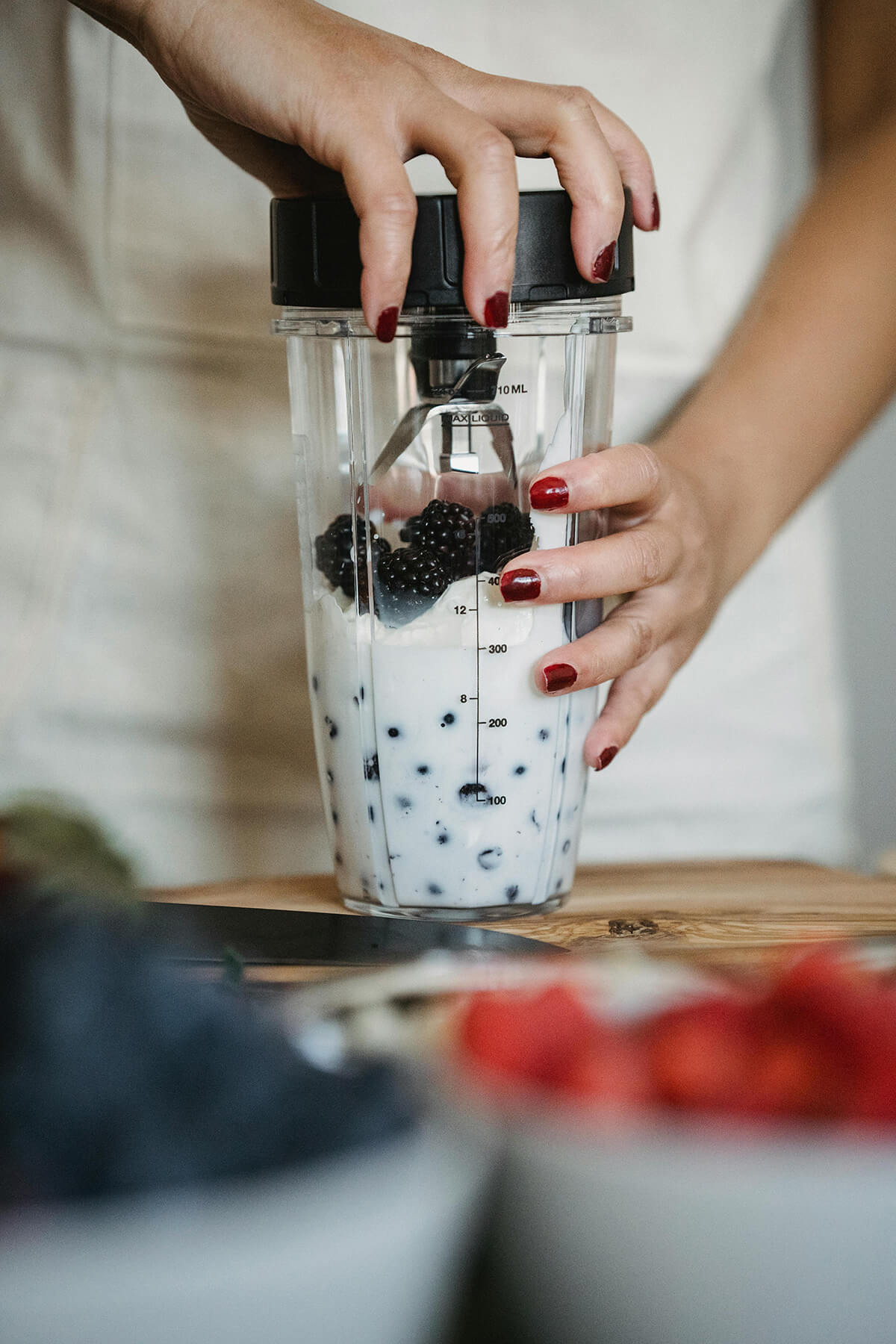
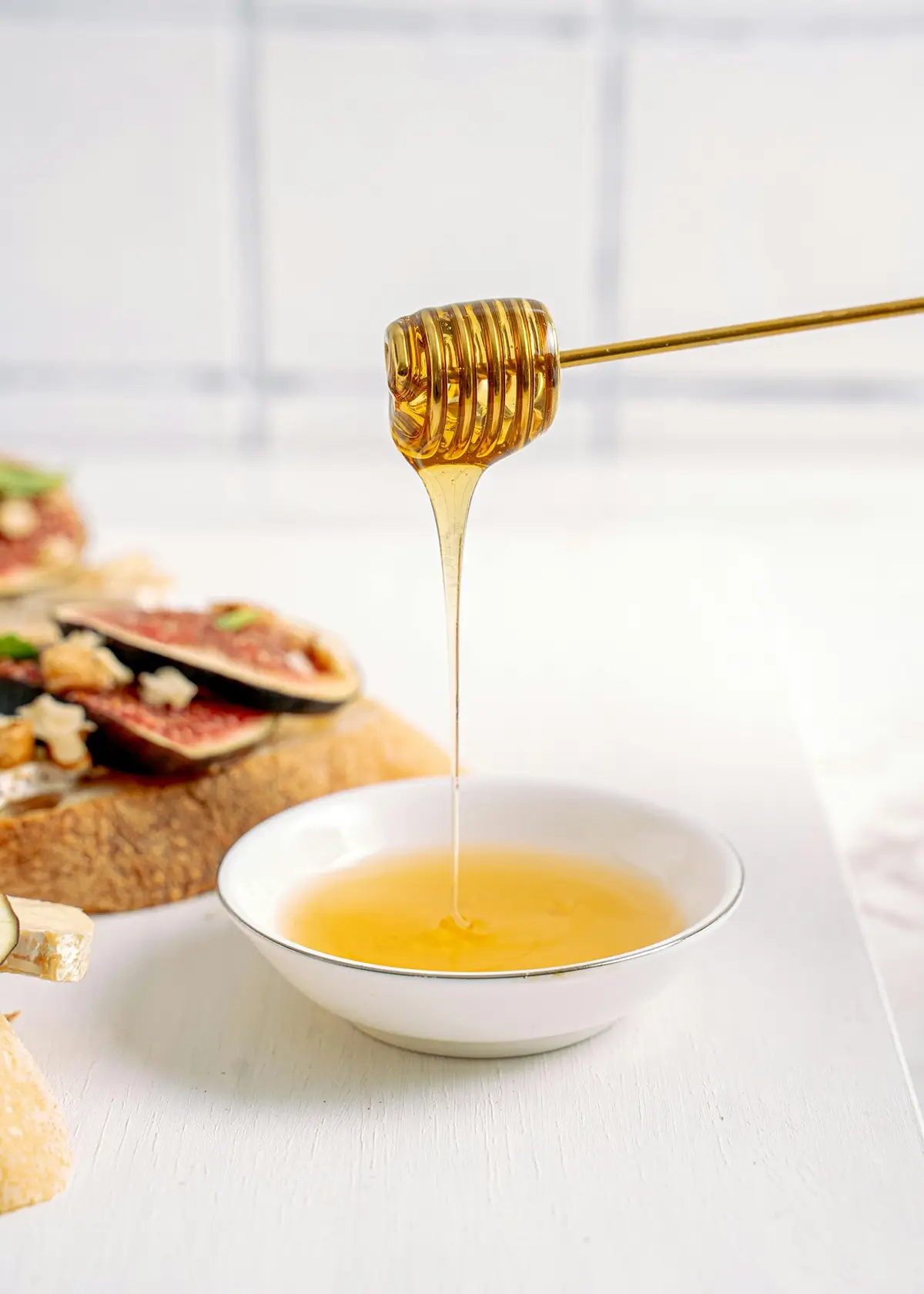
- Mix plain yogurt with fruit and a drizzle of honey instead of using pre-sweetened varieties
- Use mashed bananas or dates as natural sweeteners in baking
- Explore store-bought options like frozen Greek yogurt bars, Smart Sweets, or Unreal candy
And yes, we’ve got a whole podcast episode dedicated to artificial sweeteners with our colleague Maya Feller so if you’re wondering about monk fruit, stevia, or erythritol, definitely give that a listen.
Find your sweet spot — literally
The goal isn’t to perfectly moderate sugar every single day. The goal is to build a relationship with food that works for your body and your life. Some days you’ll nail the balance. Other days you’ll eat too much dessert and feel off. That’s normal. It doesn’t mean you failed. It just means you’re human.
At the end of the day, sustainable diabetes care has to be about more than numbers. It has to include food that you enjoy, cultural dishes that matter to you, and the flexibility to adapt as life happens. You don’t have to cut out sugar to care for your blood sugar. You just have to find what works for you.
And if you’re not sure where to start, we’re here for you. Our team of culturally humble, insurance-covered dietitians can help you figure this out without shame, without rigidity, and without giving up the foods you love. Click here to book an appointment with someone who gets it.
Transcript
Do I really need to cut out sugar to manage diabetes?
Diabetes Digital Podcast by Food Heaven
0:00
Welcome back.
Welcome back.
This week we are going to be talking about sugar, one of the most controversial foods, especially in the diabetes space.
We hear it all the time that people with pre diabetes, diabetes PCOS that they have to cut out all sugar.
0:19
There’s one thing that I’ve heard, which is like very funny, is that like, you should be having brown sugar instead of white sugar.
That’s something.
Yeah.
Yeah, I hear that all the time.
I’m like, it’s the same thing.
And so today we’re going to talk about the fear around sugar and talk about sugar.
0:38
Does it have a place for people that have Prediabetes, diabetes, PCOS, all types of insulin resistance, and hopefully offer a more nuanced approach?
As I’m sure you all know, we’re not fans of the all or nothing mentality of restriction.
We want you to have a sustainable relationship with food.
0:56
And so we’re going to talk about sugar.
Yep, welcome to the Diabetes Digital podcast.
I’m Wendy.
And I’m Jess, and we’re best friends, registered dietitians and diabetes educators.
Through our telehealth platform, Diabetes digital.co, we offer accessible and personalized virtual nutrition counseling for people with diabetes and pre diabetes.
1:17
Visit diabetesdigital.co that’s Co to book your first appointment.
We accept insurance and offer affordable self pay options.
Now let’s get into today’s episode.
This podcast is brought to you by Hero Bread is dietitians.
1:34
We’re always on the hunt for store bought foods that we can confidently recommend to our patients.
But here is the catch.
Anything we recommend has to actually taste good.
Life is short and I both live to eat and eat to live.
That’s when Hero Bread reached out.
1:49
I’d seen them in stores, but I hadn’t picked anything up yet and they had sent a bunch of products for us to try.
Now, my husband and I, we love food, and we were immediately hooked.
Hero Bread isn’t just tasty, it’s functional too.
Each serving has zero to 2 grams of net carbs, no sugar, and four to 10 grams of protein depending upon the product.
2:09
So the Hawaiian rolls, for example, which are new and I love, they have 4 grams of protein per serving.
It’s perfect for managing blood sugar or adding more protein while eating the bread you love.
Their tortillas are a new favorite in my house.
My husband and I both love using them to make quesadillas as quick snacks.
2:26
I’m a big quesadilla girl.
I’ve also been using their bread for sandwiches.
I love making a sandwich for lunch because it’s easy and it’s filling.
But I am picky about bread.
It has to be the best part.
And here’s the thing.
Sometimes breads with health claims tend to be dry and disappointing.
2:43
But not this one.
Hero bread is moist, chewy, and really truly satisfying.
Their hamburger buns are also perfect for my vegetarian patties, and the extra protein helps me hit my daily protein goals.
Now, whether you’re looking to manage your blood sugar or you just want to enjoy a delicious bread option with added protein and prebiotic fiber, Hero Bread is a simple and tasty option.
3:06
Ready to give it a try?
Visit hero.co to shop their full lineup and use our special coupon code DD10, that’s DD is in Diabetes Digital 10 to get 10% off at checkout.
And don’t forget they also offer free shipping for orders over $50.
3:23
That’s hero HE ro.co.co.
Now on to the episode.
First, I want to start off with why people think they have to cut out sugar because you can’t really get into it without getting into the mindset of where people are coming from and how we totally understand why people would think they have to.
3:40
So number one, I think, is just diet culture.
It moralizes sugar as bad.
So it’s often framed as like this ultimate bad evil food.
It’s linked to laziness, weight gain or disease and we see this all across social media.
3:56
The Wellness space, also fear based messaging and diabetes care reinforces this.
So many people are told, well, you have diabetes, you can’t eat sugar anymore, full stop.
There’s no question.
There’s no nuance.
It often ignores context like food pairings, which we talk a lot about stress movement and also cultural eating patterns.
4:20
Another thing is that a lot of our cultural foods might include some sweet elements.
Wendy and I, when we were in Charlotte this past weekend, we ate at a Cuban restaurant and one of the meals there was sweet Valentines, which were so good.
4:36
And yes, it’s not necessarily added sugar, but they do include sugar.
And sometimes cutting that out can cut out joy or connection.
Again, many cultural and family traditions involve sweet foods, so there’s bond, dulce, baklava, tres leches.
And this can mean saying no to moments of connection, celebration, or identity.
4:58
Another thing is like this whole mindset of no sugar, it always leads to guilt, shame, or cycles of restriction and rebound.
I have been there time and time and time and time again throughout like most of my childhood and adult life where I vowed to never eat sugar.
5:14
And then I was binging on sugar.
And now I like to have a little bit of sugar like most days.
And that helps me to not binge, to not have intense cravings, and to not ever feel out of control.
And just mentioned the sweet plantains.
5:31
So I want to talk about the difference between added sugar and sugar that is naturally found in foods because sometimes that gets lumped together and there is a difference.
So for natural sugars like the ones found in sweet plantains, you can also find them in any kind of fruit.
5:48
Dairy has it as well, like any kind of milk, yogurt, your Sachi, vegetables, along with plantains like potatoes, sweet potatoes, things like that.
They have natural sugars found in them.
They also come with nutrients like fiber, vitamins, minerals, antioxidants, and so your body will process those a bit differently because they have things like fiber, your sugar is probably not going to go up as quickly.
6:14
And then of course, they have the added benefit of, you know, the vitamins and minerals that are in them with added sugars.
On the other hand, those are sugars that are added during processing or preparation.
So you’re going to find that in your juices, some juices, sodas, the sweetened yogurts, any kind of pastries like things like that.
6:33
And so for people that have diabetes, we do recommend limiting those added sugars.
I said limiting, not restricting because like we just said, a lot of these foods are delicious and we want you to enjoy them, but also in moderation.
6:50
And moderation looks different for everyone, right?
Depending on like how active you are, what other foods are you eating during the day.
But you can make informed decisions when you are having these foods that have added sugars.
For example, you can have your meal 1st and then enjoy it afterwards.
7:07
Because if you’re having these added sugar foods on an empty stomach, you’re probably going to want a lot more of it.
Blood sugar responses do vary significantly from person to person.
That’s why you have to kind of individualize, see what impact some of these foods are having on your blood sugar, and then planning accordingly.
7:27
And what happens when you restrict foods like sugar?
I want to go into a study.
This study was published in the International Journal of Eating Disorders, and it’s titled The Effect of Deprivation on Food Cravings and Eating Behavior in Restrained and Unrestrained Eaters.
7:45
So it’s restrained just means people who are restricting versus not restricting.
So the study had a sample size of 103 people and it was for a week.
So for one week, 103 female undergraduate students were assigned to be chocolate deprived, vanilla deprived or non deprived and only chocolate deprivation was expected to elicit cravings as chocolate is not easily substituted whereas vanilla is.
8:13
What they found was that the chocolate deprived restrained eaters consumed more chocolate food than any other group, and the restrained eaters experienced more food cravings and then the unrestrained eaters did.
What this shows us is that when we restrict a certain food, especially something like sugar, we’re more likely to eat more of it and think more about it in the end.
8:38
I’ve seen this time and time again with patients.
I’ve even recently did an Instagram post about this.
I like to call it deprivation eating and I didn’t make that up.
That’s from just different trainings I did.
I can’t even remember who exactly coined that phrase.
But you know, the idea of deprivation eating is that the more you deprive yourself of a certain thing or even under eat throughout the day, you the more likely you are to binge at night.
9:01
And sometimes when I talk with my clients about that, it’s just like an aha moment that goes off and they experiment with trying to eat a little bit more consistently throughout the day, maybe having some sugar after lunch instead of saving it for the end of the night when they tend to binge.
9:16
So even me, I’ve had to, you know, teach myself that it’s okay to have a little bit of something sweet even after lunch.
So I’m not, you know, waiting and thinking about it for the whole day.
Also, avoiding sugar means skipping out on things like birthdays, holidays or shared meals that nourish connection and joy.
9:34
So people can often feel isolated or frustrated by their care plan if it feels overly rigid and joyless.
Yeah.
And I would recommend doing some reflection around how you feel when you consume sugar outside of like, all of the messaging that you’re getting, just like, really tuning in to how do you physically feel?
9:56
Is it having a big impact on, like, your energy and mood?
Are you actually feeling really satisfied?
Usually, I feel really satisfied when I have like, a good dessert, especially after having, like, a meal.
And so it’s good to just have that reflection without judgement, just like, welcoming any feelings that might be coming up for you.
10:16
And you can always use tools like CDM’s glucose checks as feedback because that way you can see, like, OK, this particular food had this impact on my blood sugars.
And you can even, you know, look at the times that you had it or like, what was going on that day where you stressed.
10:34
And so, you know, really centering that curiosity over perfection or judgment is going to be a really good place to start if you’re trying to figure out, OK, like, how am I going to incorporate sugar in a way that feels good?
And there are some swaps too, that you can do just to like cut down on sugar intake if there’s something that you want to do.
10:53
Some ideas could be pairing fruit with plain yogurt, right?
Instead of getting, I mean, now with yogurts, they have so many varieties that are lower sugar, which is amazing.
But if you want to make your own, like, concoction, you could drop some berries into your yogurt.
11:09
You could even drizzle some honey on there.
And that might have like less sugar content than the supermarket kind.
You can use things like blended bananas.
That’s something that I’ve done when baking for sweetness to cut back on, like the sugar that you’re using.
11:26
Also with your beverages, you can use seltzer water, whether it’s like adding seltzer water to the juices and the sodas that you typically consume or just having seltzer water on its own.
That’s something else that you can do to cut back on the sugar content.
And I’m sure a lot of you are wondering, OK, what about the artificial sweeteners and things like that?
11:44
We do have an entire episode dedicated to that with our colleague Maya Feller.
So make sure that you go back and you listen to that.
So if you have questions about artificial sweeteners.
Yeah, I also love and I love recommending the Yasso frozen Greek yogurt bars.
12:00
Yeah, yeah.
If you’re looking for a treat for every day, definitely check those out.
I feel like I probably have some in my freezer right now.
And then there’s also Smart Sweets.
Don’t love the name, but they do taste good and they are lower in sugar.
12:16
I think they don’t have.
Yeah, they have 3 grams of sugar.
I just, like, pulled them up per serving, but they’re pretty expensive, so that’s like one of the downsides.
And then there’s Unreal Candy for my candy lovers.
Yeah, try.
I like that coconut bars.
We have a lot of different chocolate varieties.
12:34
I’m not the biggest chocolate girly, but I’m more of us the smart sweets because it’s more like that chewy candy.
But if you like more of the chocolate and savory, like try the Unreal.
So there are different brands and options out there.
I think what’s most important and no pun intended, maybe pun intended is like finding the sweet spot.
12:52
Because here’s the thing.
And just like, if you only remember one thing from this episode, remember this, It doesn’t feel good to go overboard, right?
Like there’s a, there’s a point in which like when you’re enjoying sweets where it feels good, like Wendy said, like that dessert, you know, And then there’s a point in which you feel sick, you’re going overboard.
13:11
It doesn’t feel.
Good.
Or like you’re kind of like spiraling a little bit.
Like your energy is all over the place.
You feel like you’ve done drugs and you’re like, Oh my God, I’m getting a sugar rush like.
Yes, it’s a very fine line and I’ve spent my life figuring out where that line is for me.
13:28
I know you have.
I know.
You have, I know it’s exactly where that line is and it is like it’s not much.
So.
Even me, like I don’t buy and again, do whatever works for you, but I’m just telling you for me what I found is I just like that’s why I love New York and the bodegas because I could get like 5 Swedish Fish, you know what I mean?
13:49
Like that’s all I pretty much need.
Even when I go to my favorite store, it’s called It’s Sugar, it’s a.
Candy store.
They have that in Sacramento.
Oh yeah.
Oh, I never heard of it.
Yeah, I have a running joke.
14:06
Every time I go, I say to whoever’s with me, I’m like, knock, knock.
And they’re like, who’s there?
And I’m like.
It’s sugar.
And I go crazy in that store, but mind you, I’m buying like not that many things.
Anyone who goes with me, because I think most people are more are more used to like not giving themselves permission to eat the candy.
14:27
I give myself permission.
So for me, I, I know I only need like maybe a small handful and even that’s like kind of, you know, pushing me over the edge.
But just figure out what that is.
Experiment, have it every day.
Yes, you can even if you have diabetes like fitted into your plan because over time you’re going to end up probably eating a lot less by giving yourself that permission, finding your sweet spot, then by following these arbitrary rules.
14:53
And of course, like the same things that we kind of mentioned for for a lot of blood sugar balance is like when you’re looking at labels, don’t just look at the grams of sugar.
Also look at fiber, protein and fat.
People often don’t do that.
15:09
They’re just so focused on like does it have a lot of protein or does it have a lot of sugar?
And like that’s it.
But like that balance is going to help overall with keeping your blood sugar more stable.
Again, looking at that added sugars, because there’s naturally occurring sugars like Wendy mentioned versus added.
15:27
And you want to look at the percent daily value.
So anything that’s over 20% of the daily value is considered high in a nutrient.
So if the added sugars is over 20%, then that is considered high in added sugars.
And anything under 5% on the flip side is considered low.
15:44
So if it has 5% or less added sugars, that’s considered low in added sugars.
Fun fact, again, use the ingredient list as context because sometimes we will just look at the sugar.
But like, for example, my husband, he likes RX bars and they’re the RX bars do have sugar.
16:03
But when you look at all the ingredients, it also has like eggs, it has berries, it has a bunch of other foods that include the protein, the fiber, the fat.
So it’s, you know, it’s in the context of a well balanced snack.
So just make sure to look at the whole label, yeah?
16:23
And for those of you that are interested, I created these guides on the Food Network and I did it for bread, cereal, yogurt, and snack bars.
I have 4 different ones because these are 4 foods that people, especially if you have diabetes, that they tend to have a lot of added sugar.
16:42
And so I did a roundup of like the products that I would recommend that have the least amount of added sugar, but also that have a good amount of protein and fiber.
So if you go to diabetesdigital.co and then you go to our press page, you’ll be able to see those there.
16:59
But yeah, in wrapping by now you probably realize that you don’t need to cut out sugar to manage your diabetes or your pre diabetes.
There’s a space for pastries, for desserts, for your favorite cultural foods that might have added sugar that are pretty starchy.
17:18
There is room for all of that as long as you are balancing it out with other foods that have things like protein, fiber, and fat.
So try to focus on being curious, like I mentioned earlier, being flexible.
Let’s say that I don’t know, you have too much added sugar on any given day and you’re like, damn, I don’t feel so good.
17:38
It’s OK.
It’s just that it’s one day, right?
Like there’s always an opportunity to do things differently the next time around.
And if you want to work with one of our dietitians, if you find that you’re having a hard time figuring this out, you can go to our website, diabetesdigital.co.
17:54
We’re covered by insurance and we have an incredible team that can support you in this.
So thanks for listening and we’ll catch you next time.
Bye bye.
Thanks for joining us for today’s episode.
If you’re interested in nutrition counseling with one of our expert dietitians to help improve your pre diabetes or diabetes, visit us at diabetesdigital.co.
18:17
Also, if you found our conversation helpful, do us a favor and rate and review this podcast on iTunes, plus share with someone who might find this helpful.
You can also connect with us on Instagram at Diabetes Digital.
Dot Co and TuneIn every Wednesday for practical, inclusive, and culturally humble diabetes 3DS insights.
18:37
We’ll catch you later.
Bye.





Leave a Reply