




On this week’s episode of the Diabetes Digital Podcast, we did something a little different. Jess and Wendy took a well-earned break and I, Jenny, got to sit down with one of our dietetic interns, Lorena Lee. Lorena is a registered dietitian from Mexico, a nutrition educator with over five years of experience, and a brand new mom to a five-month-old baby girl. She’s also someone who received a gestational diabetes diagnosis during her pregnancy, and she’s here to talk about what that actually felt like from the inside.
Here’s what you need to know upfront: gestational diabetes is common, it is not your fault, and you do not have to cut out your cultural foods to manage it. The goal is strategic pairing of carbohydrates with protein and fat, not elimination, and that approach looks different for every body.
Are you living with diabetes or prediabetes and want support from a Registered Dietitian Nutritionist covered by insurance? Take our intake quiz to sign up for 1:1 nutrition counseling with our culturally humble, weight-inclusive Diabetes Dietitians. Our 12-week program helps you lower your A1c and improve your relationship with food. Most insurance patients pay $0 out of pocket! Start your journey to better health today.
Table of Contents
- What a gestational diabetes diagnosis actually feels like
- Why gestational diabetes happens (and why it is not your fault)
- The first question Lorena asked wasn't about food
- What Lorena actually did with food
- Cultural foods and gestational diabetes: what Lorena actually ate
- The advice she wishes someone had given her at diagnosis
- The advice you might hear with a gestational diabetes diagnosis
- A word on gestational diabetes and future risk
- Frequently Asked Questions
What a gestational diabetes diagnosis actually feels like
Between weeks 22 and 26 of pregnancy, everyone gets screened for gestational diabetes (GDM, a form of glucose intolerance that develops during pregnancy due to placental hormones increasing insulin resistance). The test is a glucose tolerance test: you drink a glucose solution and your blood is drawn afterward to see how your body responds.
Lorena’s results came back elevated. So she had to do a second, longer test. That one confirmed the diagnosis.
Then came a phone call from a nurse she’d never spoken to before. The nurse started listing the diagnosis, the implications, the next steps. All at once. “I even had a blackout during that call,” Lorena told me. “I can’t even remember parts of it. You’re just in shock.”
This is how most gestational diabetes diagnoses happen. A call. A list of information. A suddenly high-risk pregnancy label. New specialists: a maternal-fetal medicine OB-GYN, a diabetes-specialized dietitian, more scans, more appointments. It’s a lot to absorb all at once, even if, like Lorena, you already know what gestational diabetes is.
Knowing something clinically does not protect you from the emotional experience of becoming a patient.
I even had a blackout during that call. You’re just in shock and you’re receiving all this information.” — Lorena Lee, RD

Why gestational diabetes happens (and why it is not your fault)
The placenta produces hormones that are designed to make sure your baby gets a steady fuel supply, even if you skip a meal. Those same hormones cause increased insulin resistance (when the body’s cells don’t respond efficiently to insulin, leading to elevated blood glucose). For some pregnant people, the pancreas can compensate. For others, it can’t fully keep up, and blood sugar runs higher than target.
Risk factors include having PCOS (polycystic ovary syndrome, a hormonal condition associated with baseline insulin resistance), being Latina, South Asian, Black, or Indigenous, having a family history of type 2 diabetes, or being over 35. But here’s the thing: Lorena had PCOS and is Latina, and she still said, “I wish I knew what caused it.” Because gestational diabetes can happen without checking every box. And it can skip people who check all of them.
Lorena wasn’t gaining much weight during her pregnancy. Her mom didn’t have it. Her sister was pregnant at the same time and didn’t have it. Hormones, as she put it, have their own plan.
The reason blood sugar targets during pregnancy are tighter than standard diabetes guidelines is real clinical stakes. Unmanaged gestational diabetes can cause the baby to grow too large (making delivery more complicated), not grow enough, or be born with low blood sugar because the baby’s pancreas has been compensating for high maternal glucose throughout the pregnancy. Lorena’s daughter had her glucose checked every three hours after birth. That’s the kind of downstream effect that makes careful monitoring during pregnancy genuinely worth it.
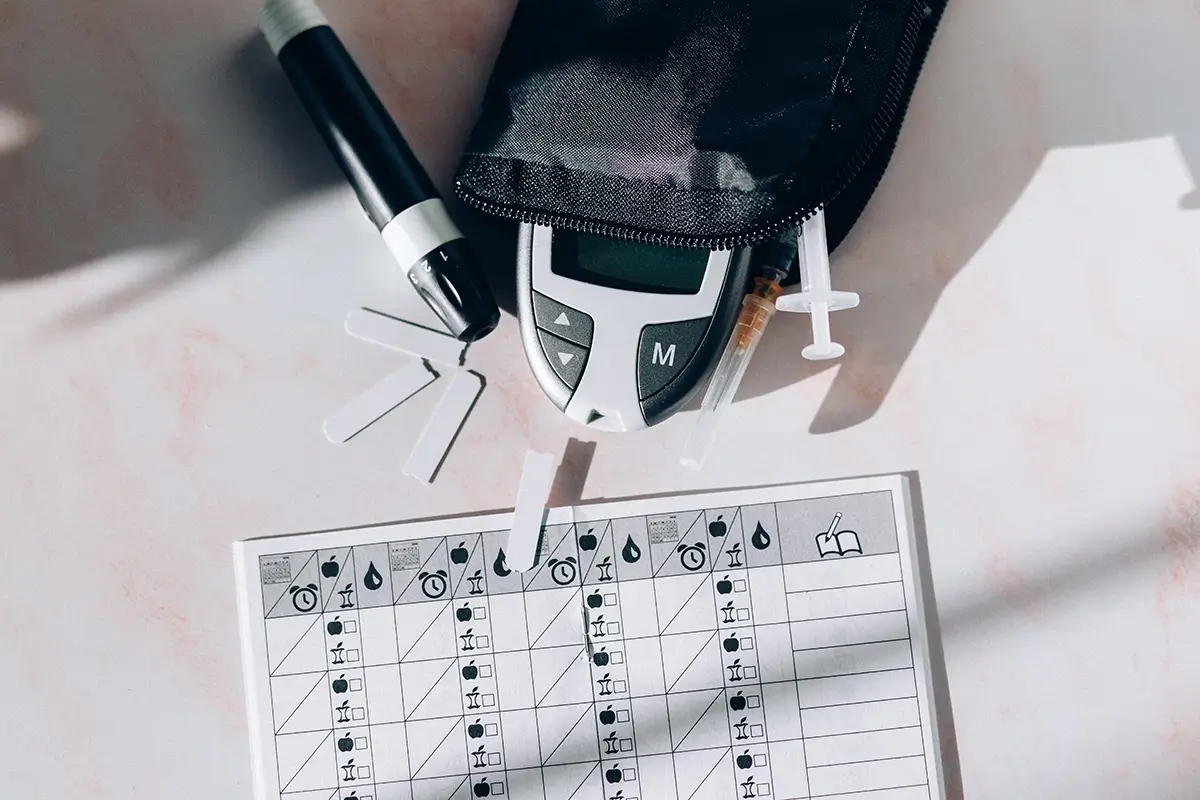
ADA targets for gestational diabetes are: fasting glucose under 95 mg/dL, one hour after meals under 140 mg/dL, and two hours after meals under 120 mg/dL. These are tighter than standard diabetes targets because the stakes during fetal development are higher.
The first question Lorena asked wasn’t about food
It was: is my baby okay?
That’s the question. Not what I can eat, not what I need to cut out. It was the baby. And wrapped around that question was guilt. Even as a trained dietitian who knew intellectually that gestational diabetes is a metabolic response, not a failure, she still felt like it would be her fault if something was wrong.
This is one of the most important things to name in this post. The guilt is almost universal. Our dietitians see this daily: moms coming in already beating themselves up before anyone has even told them to. If that’s you, hear this first, you are not doing anything wrong. Your body is doing something hard during one of the most physiologically demanding experiences a human body goes through.
“More than anything, if mom’s okay, baby’s going to be okay.” — Lorena Lee, RD
What Lorena actually did with food
She didn’t overhaul her diet. She got strategic.
Before her diagnosis, Lorena had already noticed she didn’t feel great after a carb-heavy meal. A chocolate croissant might sound appealing, but it would leave her nauseous with a headache. Her body was already communicating. The diagnosis gave her a framework for what she’d been sensing.
She wore a CGM (continuous glucose monitor, a device that tracks blood glucose every few minutes) for about two weeks to see her actual trends. What she found surprised her she was having more lows than highs. Midnight readings below 70 mg/dL. “That’s more dangerous than the highs,” she said.
So her approach wasn’t cutting carbs. It was the opposite. She needed a bedtime snack to prevent overnight lows. She needed to eat as soon as she woke up to avoid dizziness. More frequent, smaller meals with carbs always paired with protein, fat, or both.
This is a critical clinical point. Removing carbohydrates entirely during gestational diabetes can cause dangerous overnight lows and cause the liver to overcompensate by releasing stored glucose, actually raising fasting numbers. The goal is not less carbs. It’s strategic carbs.
Cultural foods and gestational diabetes: what Lorena actually ate
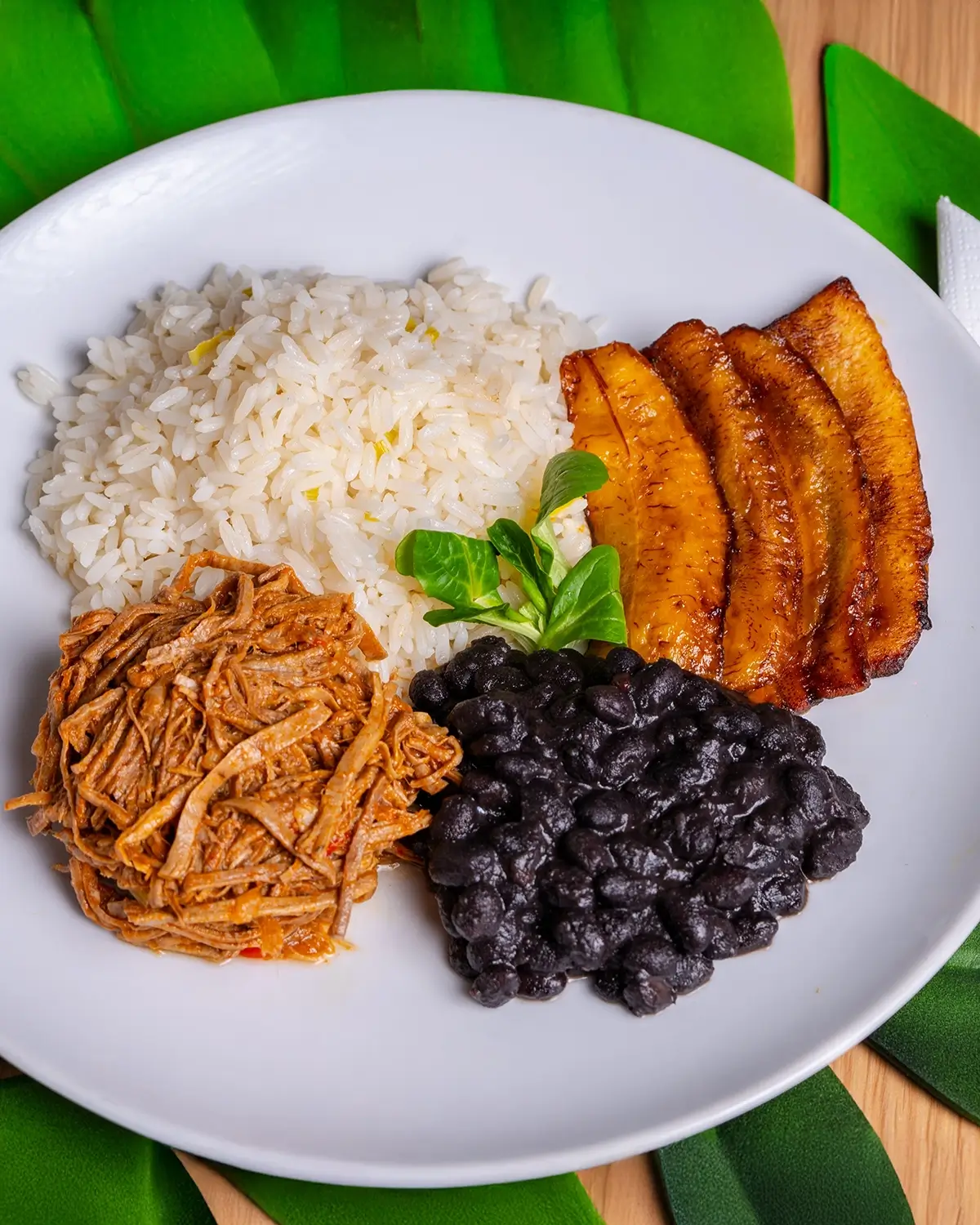
Rice, beans, tortillas, tortilla chips. These are staples in Lorena’s diet. None of them were eliminated.
Here’s what she found through her own testing: rice raised her blood sugar more than she liked. Beans, on the other hand, felt great. High in fiber, some protein, steady glucose response. So beans became her primary carbohydrate at many meals, paired with chicken or beef. Tortilla chips didn’t spike her much, so they stayed. Fruit in the mornings worked well for her because it was hydrating, provided fiber, and didn’t push her numbers high.
Pastries sounded appealing but didn’t make her feel good, so she moved them to the occasional dessert category. When she wanted something sweet, dark chocolate with peanut butter. That’s a power pairing: fat buffering the sugar so the glucose response is slower and more manageable.
What she’s describing is not a restrictive protocol. It’s a personalized food strategy built around her body, her culture, and her actual glucose data.
“It’s very personal,” she said. “What might help me might not help another pregnant person with gestational diabetes. There are things that I knew were better for me, but I still had to include carbs at every meal.”
This is exactly what our dietitians do. Not hand you a meal plan and send you home. Work with you to figure out what your body specifically responds to, within the foods you actually eat and love.
The advice she wishes someone had given her at diagnosis
Everything is going to be okay. One step at a time.
She knows that sounds simple. She also knows that when you’re staring down a new high-risk pregnancy label with a flood of new appointments and a list of things that could go wrong, “everything’s going to be okay” can feel hard to believe in the moment. But looking back, she said it’s what she most needed to hear. Not a perfect protocol. Permission to take it one day at a time and trust that her care team and her own body would get her through.
Lorena found it helped enormously to talk to someone else going through the same thing. A friend who also had gestational diabetes at the same time became an informal support space. No judgment. Shared experience. Someone to compare notes with. She also went to a birth class where another mom was navigating a completely different pregnancy complication, and that shared vulnerability created connection too.
If you’re not finding that in your medical appointments, it’s okay to look for it elsewhere. A therapist. A mom’s group. Another patient who’s been through it.
And if your care team is making you feel like you’re doing something wrong? Look for a second opinion. Full stop.

The advice you might hear with a gestational diabetes diagnosis
The most common thing newly diagnosed people with gestational diabetes are told, often by well-meaning people online or even by providers who aren’t specialized in this: cut all the carbs. Avoid rice. No tortillas. No fruit.
That advice is clinically incomplete. Lorena needed carbohydrates at every single meal to keep her glucose from dropping dangerously low. Fruit worked great for her in the mornings. Beans were her best carbohydrate source throughout the pregnancy. Tortilla chips didn’t spike her at all.
There is no universal gestational diabetes food list. There is your body, your metabolism, your cultural foods, your medication situation if you need medication (which is safe and sometimes necessary), and your personal glucose data. A blanket “no carbs” approach doesn’t account for any of that. Our dietitians see this daily: patients who restricted heavily based on fear, ended up with overnight lows, felt miserable, and blamed themselves when their numbers didn’t improve.
A word on gestational diabetes and future risk
Having gestational diabetes does increase your risk of developing prediabetes or type 2 diabetes later in life compared to someone who has never had it. We also see this often in clinic. Many clients who come to us in their 30s or 40s managing blood sugar today remember a pregnancy years earlier where everything started with a gestational diabetes diagnosis.
And yes, that memory sticks. The stress, the monitoring, the feeling of “what does this mean for me long term.”
The same core principles still apply after pregnancy: consistent meals, carbohydrate pairing with protein and fiber, movement that fits your life, and stress support that actually feels sustainable. The difference is that now you are working with more context about your body, not less.
Getting support early with a dietitian who understands your history can make a real clinical difference in how your blood sugar patterns show up over time.
Frequently Asked Questions
What causes gestational diabetes?
Gestational diabetes is caused by placental hormones that increase insulin resistance during pregnancy. For some people, the pancreas can compensate by producing more insulin. For others, it can’t fully keep up, and blood glucose runs above target. Risk factors include PCOS, being Latina, South Asian, Black, or Indigenous, family history of type 2 diabetes, and age over 35, but gestational diabetes can and does develop without any of these factors.
Is it safe to take insulin or medication for gestational diabetes?
Yes. If lifestyle changes alone aren’t enough to keep blood sugar in range, insulin is a safe and commonly used option during pregnancy. It does not cross the placenta and is considered the gold standard medication for gestational diabetes management. Needing medication is not a failure of diet or effort. It means your pancreas needs additional support during a uniquely demanding physiological period.
Do I have to stop eating rice, tortillas, or other cultural carbohydrates if I have gestational diabetes?
No. Cultural carbohydrates are not off-limits with gestational diabetes. The clinical approach is to pair them with protein, fat, or both to buffer the glucose response, and to eat more frequently in smaller amounts rather than larger carbohydrate loads at once. What your body tolerates specifically is individual, which is exactly why working with a registered dietitian makes a significant difference.
What are the blood sugar targets for gestational diabetes?
Per ADA guidelines, targets for gestational diabetes are: fasting glucose under 95 mg/dL, one hour after meals under 140 mg/dL, and two hours after meals under 120 mg/dL. These are tighter than standard diabetes targets because blood sugar levels during pregnancy directly affect fetal development and delivery outcomes.
Does having gestational diabetes mean I’ll develop type 2 diabetes later?
Having gestational diabetes does increase your lifetime risk of developing type 2 diabetes or pre-diabetes. Research shows that up to 50% of people with gestational diabetes will develop type 2 diabetes within 5 to 10 years postpartum. Postpartum glucose screening and ongoing support from a registered dietitian can significantly reduce that risk.
Clinical Sources
American Diabetes Association Standards of Care in Diabetes, 2025, Section 15: Diabetes and Pregnancy.
Vounzoulaki E, et al. “Progression to type 2 diabetes in women with a known history of gestational diabetes: systematic review and meta-analysis.” BMJ. 2020;369:m1361. DOI.
Metzger BE, et al. “International association of diabetes and pregnancy study groups recommendations on the diagnosis and classification of hyperglycemia in pregnancy.” Diabetes Care. 2010;33(3):676–682. DOI.
Transcript
0:00
Hello and welcome back to the Diabetes Digital podcast by Food Heaven.
If you’re tuning in this week, I know it might sound a little different.
My name is Jenny.
I’m a registered dietitian and outreach manager at Diabetes Digital.
And this week we decided to give Jess and Wendy a little bit of a break and do a podcast episode that’s a little different than our typical.
0:22
We have one of our special guests here.
She’s actually one of our interns this semester and she actually came up with this amazing idea of of being on the podcast and talking about her lived experience with gestational diabetes.
So we’re going to talk to her a little bit more today.
0:38
But in case you haven’t heard about us or you’re new here, we are Diabetes Digital, a platform that focuses on nutrition education and diabetes management for people living with pre diabetes, type 1, type 2, disordered eating, PCOS and anything kind of in between when it comes to insulin resistance.
0:58
We are telehealth and virtual and we accept insurance.
So to find out more about our practice, we are at diabetesdigital.co. diabetesdigital.co.
And without further ado, let’s get started with today’s episode.
1:16
We have Lorena Lee here.
She, as I mentioned, is one of our interns this semester.
She is a dietitian in Mexico and she has made it her life mission to teach nutrition through the kitchen.
She’s been developing and teaching nutrition workshops for over 5 years.
1:32
She’s constantly searching for new ways to reduce and prevent nutrition related problems.
With a special focus on fertility and hormonal balance, she is on her way to become a registered dietitian in the US.
She’s also a mother of a 5 month old baby girl, which is one of the reasons why we’re here today.
1:50
So Lorena, I’ll let you take it away.
Introduce yourself to us.
Tell us a little bit about your background, your journey and all the things.
Hi everyone, I’m Lorena.
I became a digestion in Mexico in 2000. 18 So a couple of years ago I practiced for a couple of years.
2:09
In Mexico and then decided to move to.
New York shake up.
A little bit and.
Started my masters in public health.
I’ve been studying.
Nutrition and hormonal imbalances for some years and then I became the patient.
2:25
So right now.
As Jenny mentioned, I have a 5 month old baby girl so I’m.
Still in postpartum stage.
And now I have.
A story to tell.
So after going through this I can tell from the patient.
Side.
But also from the Titian side, what it’s like to have this station of diabetes.
2:46
Welcome to the Diabetes Digital Podcast.
I’m Wendy.
And I’m Jess, and we’re best friends, registered dietitians and diabetes educators.
Through our telehealth platform, Diabetes digital.co, we offer accessible and personalized virtual nutrition counseling for people with diabetes and pre diabetes.
3:03
Visit diabetesdigital.co.co to book your first appointment.
We accept insurance and offer affordable self pay options.
Now let’s get into today’s episode.
So bring us back to the beginning and tell us kind of when did you get diagnosed?
3:20
How did you get diagnosed?
Like what is even getting diagnosed for gestational diabetes look like and how did it feel?
So around week 20. 224 between. 22 and 26, you get screened for gestational diabetes.
3:37
Everyone should get screened.
You do a glucose tolerance test, which to me was pretty awful.
That’s not everyone’s case, but I think that was like the first sign or one of the signs because I kind of knew.
I feel like my body was telling me so I didn’t enjoy that test.
3:55
And then my results came back and they were higher than what we would expect.
So I had to do a second test and that was like that.
I had this station of diabetes because it also came back higher than we wanted to.
And.
4:11
So you get a.
Call from a nurse.
I feel like it’s not what I.
Expected.
Maybe.
I would think they would tell you in.
Person but you.
Just receive a call from a nurse practitioner.
I had no idea who this person was.
And she just started.
Like saying what my diagnosis was and like what are the implications?
4:30
What are the next steps?
And they just start listing all these things that you kind of have to go through.
I even have.
Like a black out of the.
Call like I remember.
Parts of it, but.
You’re just in shock and you’re receiving all this information.
And again, this is information that I knew, but like now becoming the patient, I was like, wait, what?
4:51
And they refer you to some.
Specialist because.
From the moment you get that diagnosis, your pregnancy becomes high risk pregnancy, which is also something that you don’t want to hear.
And so I.
Had my appointments for the rest of the pregnancy at that point, but then this diagnosis meant like the total of appointments because I had to get way more scans and I had to see a specialist like a dietitian specialized in gestational diabetes and also a high risk OBG.
5:23
And just hearing all these names, it’s a lot.
Then I had to go back and be like, OK wait, what did?
You say because I remember some things, but I couldn’t.
Keep track of all of it.
It sounds like a lot of information coming your way, a lot of new appointments, new specialists, a new diagnosis that I’m sure as a dietitian you were familiar with, but still getting it.
5:47
I’m sure it also maybe brought up some questions of how do I navigate this?
So what were some of the first things maybe you did once you did hear you had gestational diabetes?
I would say food wise I was.
Already very conscious of me not feeling great after eating like a carb loaded meal like maybe I would.
6:07
Crave chocolate croissant but.
If I had it then I felt kind of nauseous and like my head would hurt.
I didn’t do.
That much food changes ’cause I already knew I’ve been doing those things to feel better.
But like the first.
Thing in the back of my mind was, is my baby OK ’cause when you’re pregnant, you.
6:26
Want to do everything?
Right.
For your baby more so than for yourself.
So I was like, yeah, I don’t care if I don’t feel great, but like, is my baby OK?
And that was the question that resonated me.
And then comes the guilt.
Like if she’s not OK, then it’s my fault.
6:43
Even though I knew it’s something that’s your metabolism is different, but still I felt like it will be my fault if something was wrong with her.
Yeah.
Totally.
As a mom, I can only imagine you just want the best outcome and you don’t want to do anything that’s going to cause any harm to the baby.
7:02
So I can see how like that’s the main question maybe you have.
And I can also see other moms being really confused, right?
Because now they have a diagnosis, they’re trying to make sure they’re doing the best for their baby.
But I feel like there’s a lot of information out there when it comes to gestational diabetes that, oh, immediately you should just cut out all carbs or don’t eat all these different foods and a lot of don’ts.
7:26
So how did you navigate that?
Or did you wait until you saw like another provider to kind of gauge what you should do?
I had this weird feeling that the specialists will like.
Call out on me like you’re doing everything.
Wrong because.
That’s how I felt.
7:42
But.
When I had my appointments, their approach was very humanized and they told me like, you’re not doing anything.
Wrong.
This is your.
Body how it’s reacting to the carbohydrates and we just need to adjust your diet.
So.
Because.
I wanted to know more.
7:59
I did this that not everyone has to do, but I wore a.
CGM because I wanted to know what spiked my blood sugar and what did it.
And turns out.
I was having more than highs, I was having lows.
So midnight I will have like really low readings which to me.
8:18
Was also like that is more dangerous.
Than the highs, so I worked with my dietitian.
I also had to kind of give in and become the patient 100.
Percent and be like.
OK, you tell me what I have to do because I can’t be my own dietitian and kind of like let go.
8:37
And then I’ve heard this phrase and I.
Use it often, Like if mom’s OK, baby’s going to be OK.
So I knew I had to do the things that made me feel right and I knew I was going to be OK and then my baby’s going to be OK.
Because if mom’s not OK, then baby’s not going to be OK.
8:53
So more than reducing carbs, which kind of it’s a myth, it’s not that I needed more.
Carbs.
I just needed to be more strategic with them, so maybe I needed to eat more frequent.
But always pair with.
Either fat or protein or both.
But I could not skip my carb because if I did that then my glucose would go really low so I had to.
9:16
Do kind of like a not midnight snack, but do have like a.
Bedtime snack, which to me was like wait, you’re eating at like 10:00 PM something And then as soon as I got up I had to eat again because if not I felt really dizzy.
But it wasn’t.
9:32
About cutting carbs, it was more about being strategic with them because my body needed them, but in a different way.
I love that.
I love to hear that You looked at it as like, OK, how can I support my body and baby right now?
9:48
And got curious about like where the numbers were low and what maybe you could add as nutrition to your day to kind of help support those numbers?
The other thing about that is that it’s very personal.
So what?
Might help me, might not help another pregnant person with gestational diabetes.
10:05
So that was my case.
So I wanted to know what worked for me because maybe rice spice my blood sugar a lot but not to you.
Or maybe quinoa didn’t do.
Anything.
There are things.
That I knew that.
Were better for me.
But still had to include carbs at every meal.
10:22
Definitely, yeah, Everybody’s body is different.
Everybody’s body is going to react to the combination of carbs with fat and protein on their plate differently too.
So I love that you mentioned that.
Now another piece I hear too is sometimes like the CGM can be really helpful because it’s giving you that data in real time.
10:38
You can see what the blood sugar is like every 5 minutes.
How did you navigate that and what were like maybe some of the goals you were told to keep your blood sugar in?
So they did.
Give me some numbers.
And I had to track.
Everything I did like kind of like a log book to see my trends and I.
10:58
Wore the CGM for I think I bought like a 2.
Pack and each one lasted like 12 days but then I think I messed up one because it also happens to us.
I didn’t know how to put put it on the first time so it gave me all the wrong readings.
11:14
And then I used the second. 1.
Read it for.
The days that it lasted and when it was over, I was like, OK, I’m done.
I know enough about my body, but I also don’t want to obsess with the numbers.
My body is very.
I would say like gossipy.
11:30
Like it would tell me if I’m not doing it right.
So I’m like, OK, I’m going to trust my body.
And then I kind of knew if I woke up.
And felt off, like I felt kind of dizzy or weak.
I’m like, OK, I think my blood sugar is low and I would test it and it will be low.
11:48
And then I knew I had to, like, eat something right away.
But they gave me some numbers, but I also.
Found out my own like I knew if I was below 70 fasting glucose, I felt weak.
So I’m like OK, I cannot go below 70.
12:06
And if I went higher than 130, even though they gave me a higher number, I will feel again like headache, kind of nauseous, dizzy, but in a different way.
So I try to stay between those numbers even after eating.
12:22
And that meant that sometimes I had to eat more frequently instead of like a bigger carpet load.
What are the typical numbers that are recommended from like ADA guidelines for gestational diabetes?
So for gestational diabetes, the targets are tighter than regular diabetes fasting.
12:42
So before you have breakfast in the morning, it should be under 95, one hour after meals should be under 140, and two hours after meals.
Should be 120, so the.
Two hours are the.
One hour how my dietitian explained to me is like we want the one.
13:01
Hour, but if you for some reason forget or you’re not.
Home and you don’t have your device, your measuring device with you.
You can do it the two hours.
I try to do.
The fasting and then the one hour.
That’s also going to be different for everyone at first.
13:17
I had to measure every meal, so three times a day.
And then once I was.
Stable.
I just picked one meal a day and the fasting.
So I always wanted.
To do the fasting.
Yeah.
Thank you.
Yeah, that is helpful to kind of know like what all the targets are and even like you mentioned earlier, how the targets might change based on how your body responds to meals and foods and you kind of figured out your own target that worked best for you.
13:44
So yeah, those are like the guidelines, but I always like to mention to people to guidelines are great to have an idea of where we should be, but sometimes we have to listen to our bodies and those numbers might change based on that or our preferences, meals, all those type of things too.
Did you already have before being kind of diagnosed with gestational diabetes?
14:04
Were there any risk factors that pointed you to know that potentially that was something that could happen, like family history or maybe other people are curious about what potentially causes gestational diabetes?
What would you say?
I wish I knew what caused it.
14:22
I would say hormones.
Have their.
Own plan and their own path.
I had PCOS before being pregnant.
So I know that’s.
A risk factor?
And I’m also Latina, so that’s another risk.
Factor, but there’s.
14:37
No, like my mom didn’t have gestation of diabetes.
My sister was pregnant at the time and she did not have gestation of diabetes and.
I didn’t have other.
Risk factors that maybe you would.
Think and this is also like my specific case, but I.
14:53
Wasn’t even gaining that much weight in pregnancy so my provider was like you need to gain more weight because we want baby to grow appropriately like enough.
But then I’m like OK, but I cannot like but my body’s processing carbs in a different.
Way so I’m just like hormones are.
15:10
Doing their own thing.
Definitely, yeah, hormones have a mind of their own, like you were saying.
So I definitely hear that all moms are at the time of gestational diabetes diagnosis, of course, like ready to take action and do whatever they need to do to best take care of them and baby.
15:30
But why is the blood sugar stressed so much right in gestational diabetes?
Why is that range so tight?
What’s the reason why you need to have that tighter control?
Maybe I will go back a little bit because we’re saying like hormones.
Affect this and I want to explain what’s going on with.
15:47
Your body, so the hormones.
That the placenta produce.
They are kind of like making sure the.
Baby gets enough.
Food So if you let’s say forget to eat for. 8 hours.
Your baby still needs food, so they’re going to make sure that even though you didn’t eating the whole day, your baby’s still.
16:07
Getting fueled so those.
Hormones cause unnaturally greater insulin resistance.
And for some moms?
That means that.
We tolerate the carbohydrates.
Different than if we were not pregnant.
And so some of the.
16:24
Complications that can come with gestational diabetes is maybe growing too large.
But also the opposite.
Like baby not growing enough that could lead to delivery complications and then once your baby’s born, it could also mean that the baby could have a low.
16:43
Blood sugar cause.
Imagine if the mom is having very high blood sugars during her pregnancy, then the baby’s born and they don’t have this.
Blood with high sugar and their pancreas and their whole.
16:59
System is used to processing a lot of sugar, so then they’re going to have hypoglycemia, low blood sugar, and that’s something.
That like I knew the risk factors what I didn’t know and this could also.
Change depending on where you.
17:14
Are.
But then when my baby was born.
Her blood glucose was.
Checked every 3 hours to make sure that it was stable.
Lots of care comes out of this, right, Not just for you, but for baby, even after.
Yeah.
So that, you know, knowing that there’s those potential then risk factors for baby.
17:36
What emotions, fears came up as you were looking at your blood sugars?
I would imagine that if you maybe saw something out of range that could bring some fear.
How did you handle that?
My numbers were always in the range because of what I explained earlier that I feel like my body was.
17:54
Very picky with.
Food in itself, like maybe if I didn’t feel.
Sick.
I would lean to like.
Different types of food, so I kind of knew what I had to do, but still like I would.
Watch my belly.
18:10
And like it’s not growing enough.
Is it growing?
Too much like I remember the first.
Scan after being diagnosed.
We were so.
Afraid like my husband and I and then the sonographer, she was so kind and she was like making us laugh and just like.
18:25
Singing to the baby in the belly and like that experience.
Changed.
The whole journey of.
Having gestational diabetes.
And then when everything.
Was finished and she’s goes out of the room.
My husband and I just started crying of like relief of like, OK, everything’s fine, ’cause like she would tell us the numbers and she would be like, OK, everything’s perfect, perfect, perfect.
18:46
And that’s what you want to hear.
Like you want to know that your baby’s OK?
Like not growing too much and not growing too.
Little like she’s.
Not a race.
You’re not doing anything wrong because again, there’s a lot of.
Guilt in this so when someone maybe in the street.
Will tell me, like, oh, your belly’s so small or your belly’s too big.
19:04
I’m like, like, is that something I should be worried about?
And then you remember, like, they’re not doctors.
They’re probably never been pregnant, like they have no idea how big or small the belly is, and that’s not related to the size of the baby itself.
So these are the things that are going.
19:21
Through your mind when you have the diagnosis.
Yeah, I can imagine there’s a lot of things going through your mind when you have this diagnosis and it can only see how important it is to have like a care team, right, too like it sounds like you did.
19:37
That was also very like things are going great and you were checking in and all of that.
What about when you met with the dietitian and you guys maybe talked about, you know, your meals and food?
Like tell us a little bit about that experience and even, you know, touching base on cultural foods because a lot of cultural foods, I know you being from Mexico and just Latina in general, there’s a lot of carbs in our meals.
20:05
So how did you navigate all that?
So I met with the dietitian and.
Also met with the high risk OV.
And I.
Remember being so afraid.
And they were.
Both very reassuring and what she said.
I remember she was like, OK, I.
20:22
Know you’re a dietitian and you know.
What to do?
But I’m going to pretend you’re not.
‘Cause you’re the patient now and I feel like I needed that and she’s like, I’m going to.
Explain what’s?
Going on with your body.
And so she went step by step, like kind of like.
Breaking down everything that’s going on.
20:38
That helped also, ’cause my husband was like, yeah.
You know what’s going on, but I have no idea what’s going on.
So that helped us a lot to be in the same page.
And then she explained the risks ’cause they have to.
But in a way that didn’t feel so overwhelming.
20:55
And she’s like, This is why we’re taking care of you because we don’t want.
That to happen and if we’re.
Taking care of everything, but still you need a little bit more.
Help.
It’s OK.
To get medication because your baby is going to be OK, like it’s a safe medication, it will be insulin and that’s to avoid future complications.
21:16
Because they have to tell you like.
All the things that.
Could happen if the risk happen like you could.
Have to get an induction because the baby’s too big.
Or maybe even AC section.
Which is like, we have to talk about these things, but we’re not there yet.
So just take it step by step.
21:32
And so we went back and OK, like.
What are you?
Eating what makes you feel good.
So in my diet, yes rice.
Yes, beans.
Tortilla or tortilla?
Chips those.
Part of my diet, I found out that rice didn’t make me feel that good because.
21:50
Embraced my sugar a.
Lot but.
Beans made me feel great.
Like beans will be my carb, they also have some protein but also I had to.
Include like maybe some.
Chicken or some beef along with that, and I enjoy beans, so that’s something that I wouldn’t want to take off.
22:07
My diet.
And then I knew, like pastries, they sound like really good, but they didn’t.
Make me feel.
Good.
So I will kind of.
Avoid it, but maybe.
As a dessert I would have like dark chocolate.
And maybe with some peanut butter.
At the end of the pregnancy there’s this thing that where you start eating dates and I tried one but it didn’t.
22:27
Make me feel good.
So I’m like OK, no dates for me, but their TJ chips didn’t raise my blood sugar that much so it was just kind of like a trial and error.
Fruit also was great with me, especially in the mornings.
22:42
Because he.
Kind of like hydrated me, gave me some fiber and didn’t raise my blood sugar that much so I still included the.
Things that I enjoyed.
I didn’t have to like.
Cut off specific foods.
And it sounds like you had a great dietitian because she talked to you like a patient, which is so nice.
23:02
And you weren’t afraid to kind of experiment.
It sounds like, like try how foods combined in different ways maybe affected your glucose and how you felt.
And I think that is the most helpful thing to do.
And I know having a CGM kind of allows for that as well, but not being kind of afraid to see how you could best enjoy those foods and make them a little bit more balanced.
23:24
Now, looking back, what would you say are some of the most important things you wish someone had told you?
I saw this from someone else that.
Got a diagnosis while they’re pregnant and she said like, I wish someone will tell me everything’s going to be OK.
And I would say yes, but then maybe at that point they tell you.
23:44
You don’t believe it?
But then just take.
It one step at a time.
When you get to.
Diagnosis it feels overwhelming because you want to do all these things I.
Remember having all these appointments, like extra appointments and I’m like, I don’t even have time for that, but I know I have to and like I don’t want to go because I feel like I’m going to be called out and like it was too much.
24:04
I would say I want to put pause.
In pregnancy and just.
Be like, OK, time out, can I get a week off and then come back and like I’ll have all the energy to like deal with this, but you can’t.
So I would want someone to tell me like everything’s going to.
24:19
Be OK, Just take it one step at a time.
And you’re going to figure it out even though.
It feels like a.
Lot in that moment.
But.
As long as you’re OK your baby.
‘S going to be OK.
Yeah.
That’s so sweet, I love that.
I know it’s like such a simple saying, but can be also so reassuring to hear that everything will work out and you will be OK.
24:43
And just taking it day by day is probably the best approach to not feel so overwhelmed.
Yeah.
What about if someone’s, you know, newly diagnosed, they are looking for the right support, they’re managing both food and you know, a lot of emotions, What advice would you give them?
25:02
I would look for the help.
That you need.
Maybe it’s not only the dietitian and the if you need to go to high risk OV.
But maybe you also need a support.
System talk to someone who already had it.
I had a friend at that time.
That she also had gestational diabetes, so it was nice to talk about like, what are you?
25:22
Doing what works for you.
How are you feeling she was going?
Through exactly the same thing.
But also maybe.
You might want to go to therapy or go.
To a mom’s club.
Maybe you find someone that doesn’t have the.
Exact same diagnosis.
As you but has something else, I remember I went to a.
25:40
Birth class and.
I was a little bit like cautious that.
My baby might not be growing enough.
And then there was this.
Other.
Mom that she was like, yeah, I’m going to get an induction because my baby’s too big for the week that I have and so my induction is this week and I’m scared like should I change?
25:59
Something and like just talking about this, all these things that could go and that can happen in pregnancy.
It’s kind of like a bent space, like a safe space, because you know they’re not going to judge you because they’re going through the same thing.
But if you happen.
26:15
To go to an appointment and not feel hurt or feel like they are making you feel like you’re doing.
Something wrong or guilty?
I would say look for a second opinion because it’s not your fault.
26:31
You should not feel like you’re doing something wrong.
They’re there to help.
You and to be part of your team and not make you feel worse.
Yes, exactly.
And a little shameless pluggier, but we have dietitians at Diabetes Digital that work with gestational diabetes and they are that type of person that wants to collaborate with you, help you feel at ease and find a way to manage that works best for you and your lifestyle.
26:59
So you could definitely count on us, but that was great.
Anything else as we wrap up that you want to say or touch base on that we didn’t?
I think even if it’s not.
Gestational diabetes, whatever diagnosis.
27:15
If you ever get one, just take.
It one step at a time and find the team again.
That supports you because they are meant to.
Help you and not the.
Other way around.
And yeah, I hope this helps you.
In some way it makes you.
27:31
Feel less overwhelmed?
Definitely, I think people are going to love it, love to hear it from especially a provider.
I get so many women later in life that, you know, had gestational diabetes, but then maybe developed pre diabetes way later.
And they always bring up all the fears and emotions that they went through with gestational and how hard it was at that time for them.
27:55
So I know people are really going to appreciate having something to listen to and someone to kind of put them a little bit more at ease around this diagnosis.
So thank you, Lorena.
Yeah, and it’s very common, so if you get it, don’t feel bad for it.
28:12
Yes, it is very common.
And like Lorena said, we don’t even know why some people get it.
So it’s really hard to even, you know, try to say like, it’s not your fault, it’s not your body’s fault per SE, but hormones are crazy.
So, well, thank you so much.
28:29
We appreciate having you on and if you’re looking again for a dietitian that’s covered by insurance and can help you manage anything blood sugar related, please check us out at diabetesdigital.co.
You can also leave us a review on iTunes and rate US on Spotify.
28:50
We appreciate all the support we get.
Thanks for joining us for today’s episode.
If you’re interested in nutrition counseling with one of our expert dietitians to help improve your pre diabetes or diabetes, visit us at diabetesdigital.co.
Also, if you found our conversation helpful, do us a favor and rate and review this podcast on iTunes, plus share with someone who might find this helpful.
29:15
You can also connect with us on Instagram at Diabetes Digital.
Dot Co and TuneIn every Wednesday for practical, inclusive, and culturally humble diabetes insights.
We’ll catch you later.
Bye.






Leave a Reply