


Picture this: You’ve just been diagnosed with prediabetes or diabetes, and your doctor tells you to cut out rice, tortillas, and basically every food you grew up eating. You leave the appointment feeling confused, frustrated, and wondering what on earth you’re supposed to eat now that your cultural foods have been cut out. If this sounds familiar, you’re not alone.
In my work as a dietitian, I’ve had countless conversations with patients who feel like managing their blood sugar means sacrificing their cultural identity. But here’s the truth, you don’t have to choose between your health and your heritage. We recently did a podcast episode on this topic with Krystal Martinez, one of our amazing dietitians at Diabetes Digital who specializes in helping people incorporate their cultural foods; check that out here.
Are you living with diabetes or prediabetes and want support from a Registered Dietitian Nutritionist covered by insurance? Take our intake quiz to sign up for 1:1 nutrition counseling with our culturally humble, weight-inclusive Diabetes Dietitians. Our 12-week program helps you lower your A1c and improve your relationship with food. Most insurance patients pay $0 out of pocket! Start your journey to better health today.
The harmful myth about cultural foods and diabetes
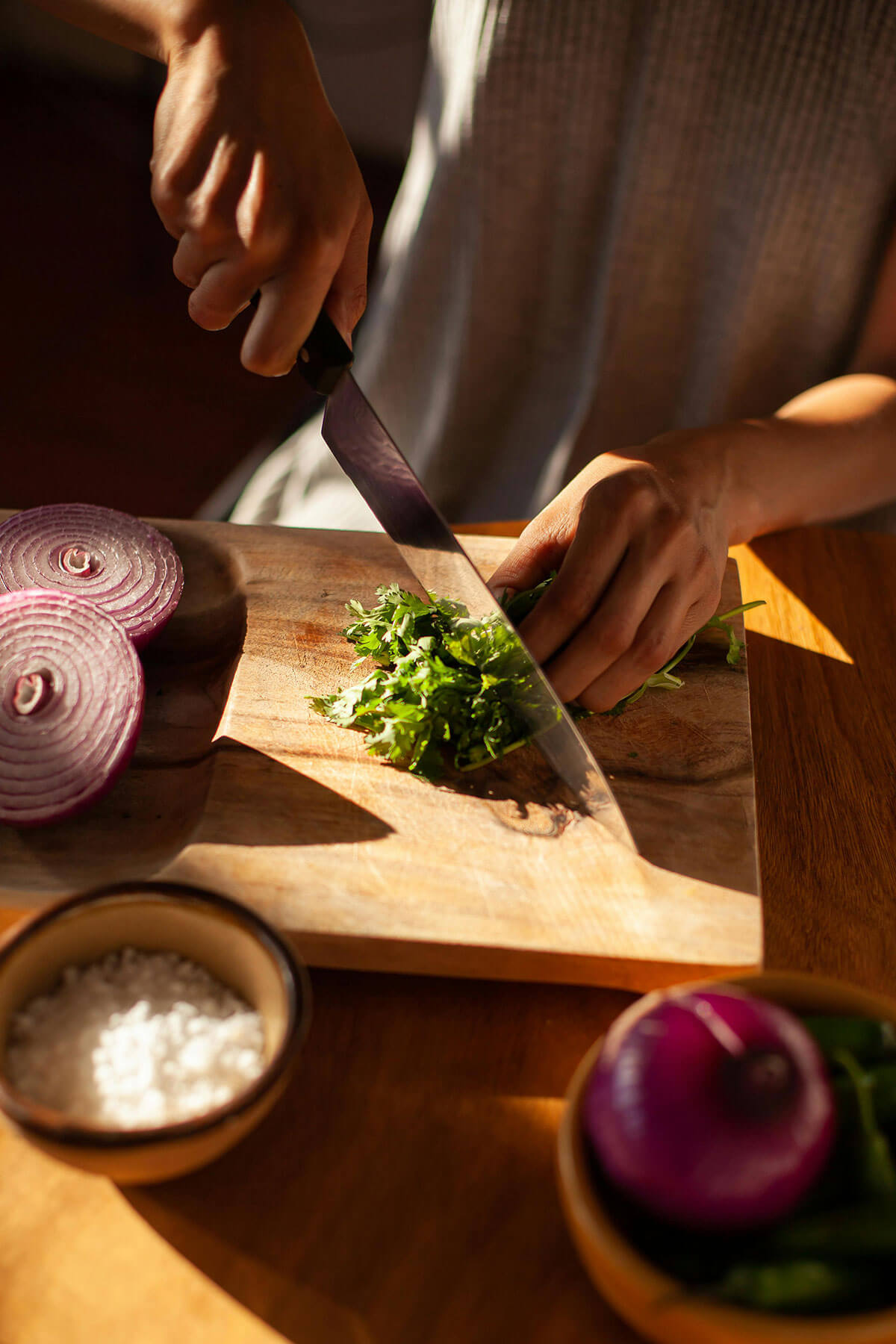
Let me be blunt, the advice to completely eliminate cultural carbohydrates is outdated, unrealistic, and honestly, harmful. Krystal shared something during the podcast episode that really struck me. She talked about working as a care coordinator early in her career and hearing the same questions over and over “Can I eat tortillas? Can I eat rice? Can I eat beans? My doctor told me I shouldn’t.”
As Krystal put it, “If we remove someone’s cultural foods, I feel like we’re removing a part of their identity.” She’s right. Food isn’t just fuel. It’s connection, tradition, memory, and love. It’s your abuela’s tamales at Christmas, your mom’s arroz con gandules at family gatherings, or the comfort of a warm tortilla that reminds you of home.
The real issue isn’t the tortillas or rice themselves. It’s often other factors affecting health such as access to healthcare, education about medications, lack of fiber in meals, or simply not knowing how to balance your plate in a way that works for your body.
Why the “cut out carbs” advice doesn’t work
I’ve seen this pattern too many times. Someone gets diagnosed, cuts out all carbs because they were told to, and then a few weeks later they’re craving sweets intensely, their energy is tanking, and they feel miserable. Krystal explained it perfectly “A lot of the times when it comes to treatment for our food, sometimes they may notice I crave even more sweets. And maybe that’s because they’re just excluding that whole food group.”
Your body needs carbohydrates. They’re not the enemy. The key is learning how to incorporate them in amounts your body can process, paired with other nutrients that help stabilize your blood sugar.
I’ll never forget a patient I worked with years ago. He was Mexican, and his doctor told him no tortillas. When I asked how many he was eating per meal, I expected him to say one or two. He said seven. Now, Wendy had a patient who said 26 tortillas, which honestly left us both speechless. But you see the point: there’s room for these foods, we just need to find the sweet spot that works for your individual body.
Building a balanced plate with your favorite foods
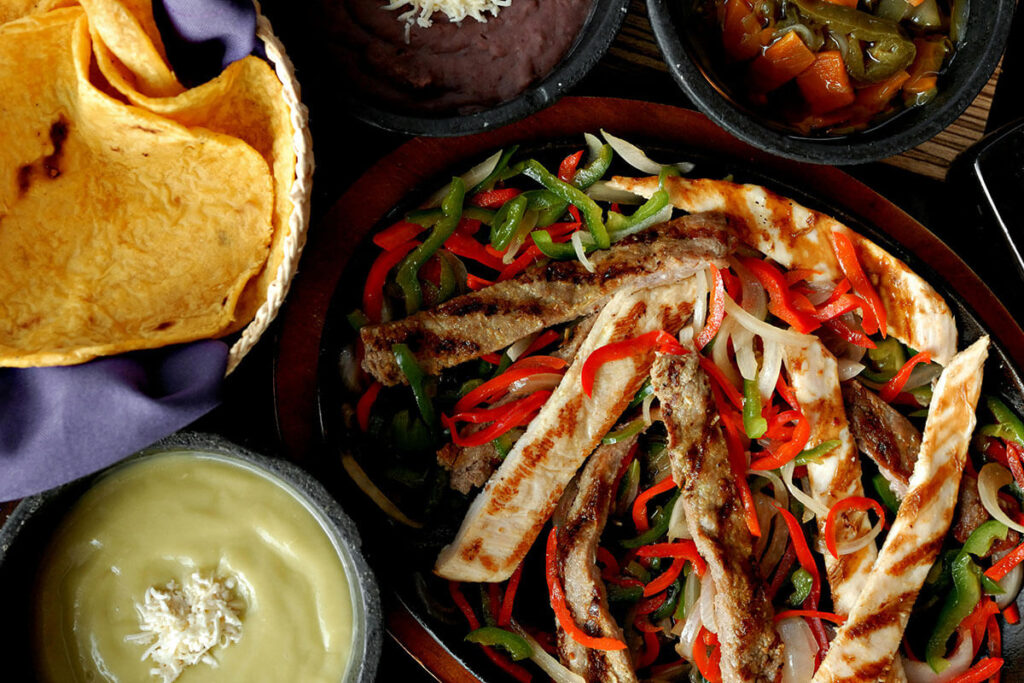
So how do you actually do this? Krystal breaks it down using tacos as an example. She recommends thinking about your plate in terms of different components:
Protein: About one-fourth of your plate. This could be chicken, fish, beef, or even beans (which also provide fiber).
Carbohydrates: This is where your tortillas, rice, or other cultural starches come in. For tortillas, maybe that’s 2 to 3 per meal instead of seven.
Fiber: Think pico de gallo, radishes, cilantro, nopales (cactus), or any vegetables you enjoy. This is crucial for slowing down digestion.
Fat: Whether from your protein source, avocado, or guacamole. Fat helps with satiety and blood sugar stability.
As Krystal explained, “Having those different components will really help to slow down the digestion, which will help in preventing having a quick sugar spike because of the carbs. So you’re still enjoying your tortillas, but you’re also mixing it in with these other components.”
The great white rice debate
Let’s talk about white rice because apparently the internet is at war over this. Krystal kept it real: “I’m a white rice girl.” She tried brown rice when she first learned about nutrition, but white rice is what she grew up with, what tastes right to her, and what’s sustainable for her life.
Here’s her genius approach, brown rice has about one more gram of fiber than white rice. So if you prefer white rice, just add fiber elsewhere. One cup of beans has around 15 grams of fiber. If you add half a cup of beans to your white rice, you’re already getting 7.5 grams of fiber, which will help stabilize your blood sugar.
The question isn’t “brown rice or white rice?” The question is what’s more sustainable for you? What will you actually eat and enjoy long-term?
Wendy shared an interesting observation from working with her mom who uses a continuous glucose monitor. Root vegetables like plantains, yucca, and malanga barely affect her blood sugar, keeping it in the low 100s two hours after eating. But rice sends over 200. Everyone’s body responds differently to different carbohydrates, which is why individualized guidance matters so much.
Navigating the holidays without guilt
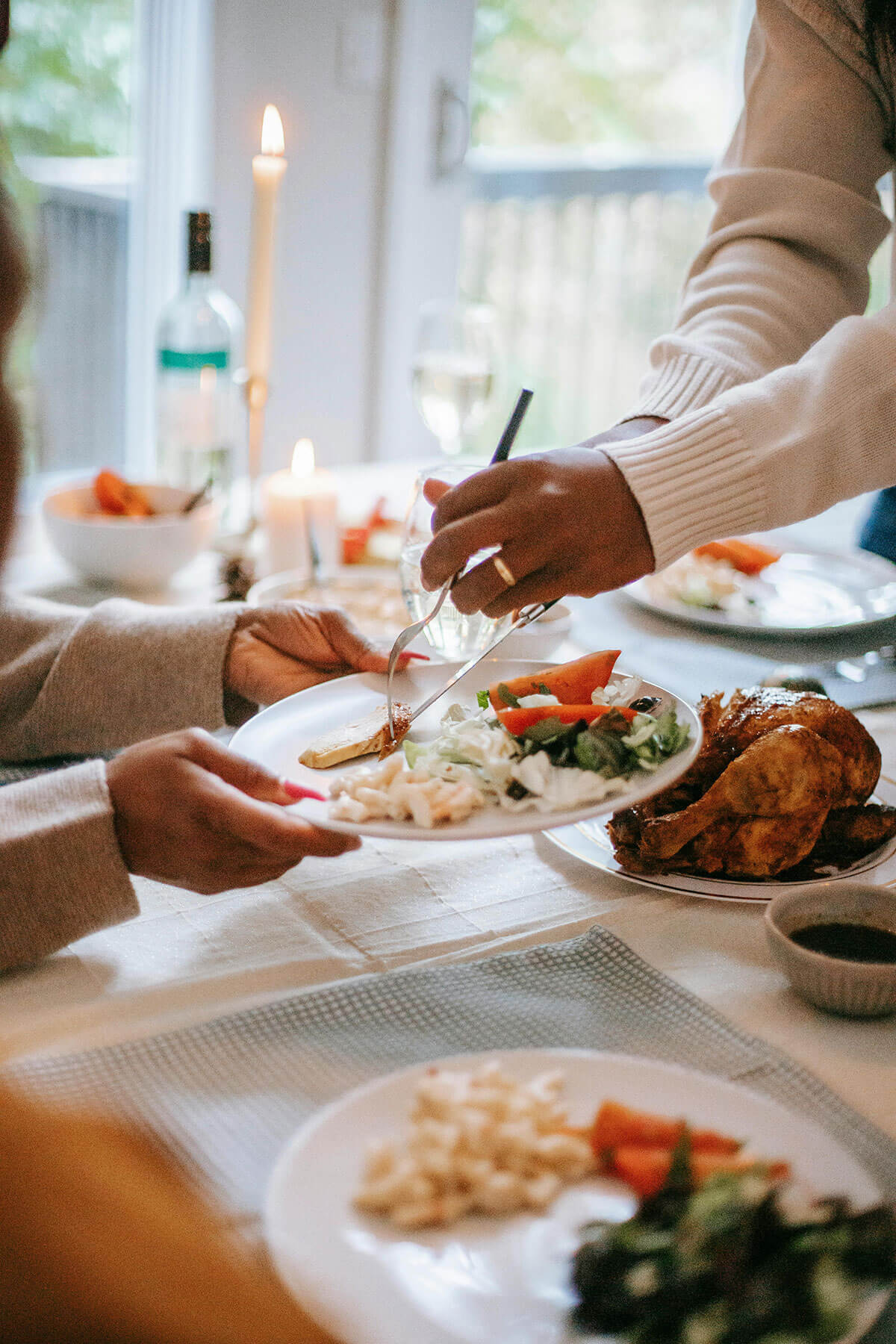
The holidays bring unique challenges, especially in Latino cultures where Nochebuena (Christmas Eve) means tables overflowing with food and drinks like coquito or ponche. Krystal shared that many patients come to her feeling scared about the holidays: “I’ve been doing so well, and I’m worried about what’s coming.”
Her approach is beautiful in its simplicity. She validates that fear, then explores what foods they’ve been craving. Maybe your tía only makes tamales once a year. Maybe there’s a special dish you look forward to all year long. The goal isn’t restriction, it’s mindfulness.
Krystal recommends checking in with your fullness cues throughout the meal. Can you eat enough to feel satisfied but still leave room for more food in an hour or two after opening gifts? It’s not about deprivation. It’s about pacing yourself so you can enjoy the entire celebration.
And please, let’s talk about the “I’ll just go off now and restart in January” mentality. The holidays aren’t three months long. You don’t have to wait until January 1st to make choices that support your health. Small actions throughout the holiday season, like taking a walk after dinner or choosing one carb per meal instead of stacking them, can make a real difference.
Movement matters more than you think
I had a patient years ago, a Chinese woman with prediabetes who was almost in the diabetes range. She didn’t make dramatic dietary changes, but she started going to the gym regularly. I’d see her there when I worked out, and guess what? Her A1c came down out of the prediabetes range. That was the main intervention. Exercise is incredibly powerful, even if you change nothing else.
During the holidays, movement doesn’t have to mean structured workouts. Krystal suggested: “Even like in 30 minutes, if you can go on a walk, maybe you have like some cousins over or friends, like, ‘Hey, you want to go walk around the neighborhood?” Dancing counts. Playing with kids counts. A family hike counts. Make it social, make it fun, and your blood sugar will thank you.
Consistency beats perfection
One pattern Krystal sees with successful patients is eating three balanced meals a day, spaced about 4 to 5 hours apart. This promotes more stable blood sugar throughout the day. Each meal includes carbs, protein, fat, and fiber in amounts that work for that individual’s body.
Some patients discover they actually need to eat more, not less. When you’re underfueling, your body compensates, and you might see higher blood sugar even though you’re hungry. Krystal shared an example of an active patient who started eating snacks between meals and saw their blood sugar improve because they were finally giving their body adequate fuel.
She also emphasized looking at blood sugar from different angles. Yes, food matters. But so does stress management, sleep, and physical activity. Sometimes a patient will notice their blood sugar rising during a stressful phone call, then watch it trend down after some deep breathing. Your body is complex, and blood sugar management reflects that complexity.
Words of encouragement for the newly diagnosed
If you’re newly diagnosed with diabetes, prediabetes, or PCOS, please hear this: whatever you’re feeling right now is completely valid. Confusion, fear, frustration, grief, it’s all legitimate. And you don’t have to figure this out alone.
Krystal’s advice? “I would really, really recommend if they can, if they can meet with a dietitian, because I think just having someone there with you to kind of provide that guidance to help you process what you’re feeling and even to provide these strategies that are very individualized.”
Working with a dietitian who understands your culture, respects your food traditions, and helps you create sustainable strategies can make all the difference. It’s not about overhauling your entire life overnight. It’s about tiny habits and small goals that feel doable.
As Krystal beautifully said, “Just taking it day by day, what is something like a tiny habit, like a tiny goal that I can make that feels sustainable and just trusting the process, even when it feels like it’s hard to see that outcome. But yeah, just knowing that there’s a light at the end of the tunnel.”

Your cultural foods belong on your plate
I want to end with this: your cultural foods are not the problem. They never were. The foods that sustained your ancestors, that bring your family together, that carry your history and identity, have a place in a healthy diabetes management plan.
You don’t have to choose between managing your blood sugar and honoring your heritage. With the right guidance, portion awareness, and balancing strategies, you can have both. Your health journey should add to your life, not subtract from it.
Transcript
Welcome to another episode of the Diabetes Digital Podcast.
Today we are joined by one of our DD dietitians and her name is Krystal Martinez.
I’ll get into her bio, but just want to give you guys a sense of what we’re talking about on today’s episode.
0:16
So one of the things that comes up a lot in the work that we do with patients is this idea of nutrition feeling very one-dimensional and almost European and the recommendations that are.
And how do we incorporate some of these cultural foods throughout the entire year, including within the holiday season?
0:36
I think there’s a lot of guilt and shame around foods that we grew up with and maybe they’re not healthy, but that is a lie.
And we’re going to unpack that today with Krystal, which we think is the perfect episode for Christmas Eve.
As you head into the holidays, we thought it would be really good to have a conversation about this.
0:56
Like, how can we still incorporate our favorite foods throughout the holidays and the whole year?
So our guest today is Krystal Martinez.
As I said, she is a dietitian with us and she helps clients build a peaceful, empowered relationship with food and their health.
1:12
She specializes in pre diabetes, type 2 diabetes, PCOS, and digestive health, offering a compassionate, culturally grounded approach that keeps the favorite foods like tacos on the plate.
As a first generation Mexican American living with autoimmune arthritis, IN Sajorn’s Krystal understands the realities of navigating chronic conditions and making sustainable changes.
1:36
Her work is rooted in empathy, humor, in real world in real world guidance that helps people find balance without restriction.
So, Wendy, what are we covering today?
Yeah.
So we are going to be talking with Krystal about some common myths around incorporating cultural foods and also just practical guidance on how people can incorporate some of their favorite cultural foods or your favorite cultural foods listeners into your diet not just for the holidays, but also in your day-to-day routine.
2:07
And for those of you that have insulin sensitivity, we’re going to be talking about how you can incorporate your favorite cultural carbohydrates within the context of a balance plate so that you can aim for consistent and stable blood sugar.
2:24
And then with the holidays coming up, we’re also going to touch on how to keep your cultural food traditions alive during this very festive time.
Welcome to the diabetes digital podcast.
I’m Wendy.
And I’m Jess, and we’re best friends, registered dietitians and diabetes educators.
2:40
Through our telehealth platform, diabetesdigital.co, we offer accessible and personalized virtual nutrition counseling for people diabetes and pre diabetes.
Visit diabetesdigital.co.co to book your first appointment.
We accept insurance and offer affordable self pay options.
2:57
Now let’s get into today’s episode.
Welcome to the podcast, Krystal.
Hi.
Thank you so much for inviting me.
And I’m so happy to be here and just talk about Mexican food, which I love.
I’m getting hungry, but yeah, so happy to be here.
3:15
But yeah, to share a little bit about myself, Yeah, I became a dietitian because I was working as a cure coordinator at some point early in my career because I studied public health, right?
Because I really felt there was a need, especially within my community.
3:31
So as a Mexican, right, within the Mexican or Latino community, there was a lot of misinformation on, you know, can I eat tortillas?
Can I eat rice?
Can I eat beans?
Or my doctor told me I shouldn’t or my teach my, I don’t know, my friend, my Zumba class, they were going on Herbalife diet, right?
3:48
And it’s there was like a lot of misinformation, which, you know, was unfortunate.
So that is something that I was as I was also working with patients and like giving nutrition education classes.
And I’m like, no, like we have so many healthy food in our diet, right?
4:03
Even corn tortillas, beans can be definitely a part of our diet and all of our veggies, right, were things that I felt very passionate about.
And a lot of these patients in my class really know how to cook too.
So I’m like, oh, there’s so much, you know, that they already enjoy their food and it’s like not taking something away, right?
4:24
And instead adding.
So, yeah.
So that’s something that feel very passionate about and very excited to talk about today.
And tell us a little bit more about how your cultural background has informed the way that you think about health and eating.
4:39
Because we also love Mexican food.
But I remember when I was working with a lot of my Central South American patients, they would automatically cut out the corn tortillas, like when they found out that they were diagnosed with pre diabetes or diabetes.
4:58
And it’s such a staple in so many cultures.
So talk a little bit about that.
Yeah, no, definitely.
Yeah.
So I think just putting myself with in their shoes, right?
Like I also grew up in a household where corn tortillas were staples.
5:17
I’m a daughter of immigrants, right?
My mom told this day, there’s always tortillas in the fridge.
There’s always like the safety holders and like casas or beans at home.
So I think just really trying to empathize with patients or those who are confused if they should incorporate these foods is no, it’s, it’s very hard to take something away, you know that you have had for years and that has even sustained our grandparents and our ancestors, right?
5:44
And it’s more like, what are the other things that can be negatively affecting our health?
So whether that’s things in our environment, right?
Whether it’s access to healthcare, whether it’s even education on knowing what medications to take, when to take them, right?
6:00
Or maybe how much veggies can I be having in my plate.
Maybe I’m not having any or maybe I’m not having fiber.
So maybe thinking of other things that can still be sustainable for you that are realistic while still honoring your culture and maybe maybe making some tweaks if needed, right, that would complement whatever part of your treatment plan is with your condition.
6:23
So I think that’s something that, you know, it’s very important for me too.
So like if we remove someones cultural foods, I feel like we’re removing a part of their identity.
And I think, I don’t know, I would feel kind of lost if someone told me like no more corn tortillas, you know, and I know sometimes people try it and you know, I feel like everyone has the autonomy to decide what they want to explore.
6:44
But, you know, if they ever feel like that’s something that’s not realistic for them, you know, there’s always ways that they can add to their meals, which we can talk about in a bit too.
Yeah, it’s also interesting, just like us having the conversation of cultural foods in general.
7:02
I remember when I worked at a clinic and I would say, like, my best friend in that clinic, she was Mexican and she was a therapist.
And she said people would always come up to her like, oh, do you eat Mexican?
Did you grow up eating Mexican food?
And she was like, no, I grew up eating food.
7:20
Like, I just called it food, you know.
So even this idea of like having to say like cultural foods is interesting to me because at the end of the day, it’s yeah, it’s it’s just food from a different point of view, right.
So what are some of the common myths and misconceptions that you hear about the foods that people grew up with, whether we call them cultural foods or just their foods and diabetes?
7:43
Because I know that’s a big thing.
And that’s when I first started coming across, like, doctors who would say, like, cut out everything and cut out tortillas, all carbs.
And people would be left with like, OK, well, like, what is life?
So like, what are the misconceptions that you see?
Yeah, definitely.
8:00
That’s a great question.
Yeah.
I think like you mentioned, excluding a whole food group, it sounds like sometimes, right, whether it’s rice or tortillas or like bread, right, even pastas.
So I think that’s something that is very common.
8:15
And a lot of patients sometimes are lost, like then what do I eat, right?
Or sometimes they may notice I crave even more sweets, and maybe that’s because they’re just excluding the whole food group.
So those are something that’s very, very common.
8:31
And I think even sometimes when I do tell patients, like, yeah, you can have carbs, you can have your rice with your chicken and your veggies are like what?
I can like, yeah, you know, so it’s again, even for them, like, because sometimes some of them are a little bit resistant, which is valid, especially if they’re, you know, they just were diagnosed and they want to do everything in their power to reduce their blood sugar.
8:56
So we can always experiment with like, OK, how about, you know, let’s start with this amount, right?
Let’s do 1/4 of your plate, whether it’s rice or let’s start with a sandwich.
And then sometimes they’re surprised, like, oh, my energy returned, right.
So it’s kind of like them seeing as well and trialing how it feels like when they added carbs again.
9:18
Absolutely.
Well, Nochebuena is right around the corner.
And for those of you who don’t know what that is, most Latinos celebrate Nochebuena, which is Christmas Eve, not Christmas Day.
And it’s an evening filled with lots of food, usually lots of alcohol.
9:37
So I would love to talk about the unique challenges that people with diabetes have during this time of celebration, whether it’s Christmas Day, Christmas Eve.
Like I know in our family, bonche is a really, a really big thing, which is it’s kind of like a Dominican eggnog with a lot of rum and it’s really sweet.
10:00
And I could see that being really challenging for someone that has diabetes because it tastes so good.
And next thing you know, you know you’ve you’ve had like 5 cups of of ponche and you’re feeling good and your blood sugars are.
Blood sugars are not.
10:17
Good.
Yeah, they’re they’re.
Going the wrong word.
Yeah, they’re elevated.
Right.
So what are some of the challenges that you see around this time of the year and like what are some ways to overcome that?
Yeah, yeah, definitely.
10:33
I think sometimes like some of the challenges that may come up that I hear patients say to like, oh, not your one that’s coming up or New Year’s, like I’m kind of scared.
Like I’ve been doing so well, you know, so it’s kind of feeling that fear.
So it’s definitely, you know, validating that, you know, and then exploring why they’re feeling that way.
10:53
And then even if sometimes if they want to come up with a potential plan, like, oh, what does that look like for you?
Like, what will you plan to eat, right?
What food might you want to eat that you’ve been craving, right?
Because maybe your Olita doesn’t always make tamales, right?
11:09
Or doesn’t make punch all the time.
So I think just exploring that it’s OK for them to have these foods, but also exploring maybe the amounts that they tend to have.
And then what may feel like, for example, if they want to explore their fullness cues, right?
11:27
And then maybe walking them through that like what is a good, I don’t know, like fullness level that may work right where you can maybe even make space for more food in an hour or two right after you open the gifts or whatever you may do, right.
11:43
So I think kind of exploring that they can still have these foods, maybe checking in with their bodies and how they’re feeling.
That way they won’t feel like they’re eating too much, but also still honoring, you know, this celebration that comes with a lot of foods that they can enjoy.
12:04
And then, yeah, then just kind of gauging where they’re at because I feel like every patient’s different.
Sometimes I hear patients that say Krystal, but I just, I just feel like I can’t, you know, I’d rather not Then you know, kind of also honoring that, but just making that space for them if they do decide, maybe just having a little bit and then just checking in with themselves and how they feel.
12:24
Yeah.
I like that approach because what I see happen all too often is they’re like effort, Like I’m just going to go off because January is coming and it’s a hard reset for me.
And it’s like, it doesn’t have to be all or nothing.
12:42
It’s fine.
Because I mean, the holidays is not it’s, it’s not like it’s, you know, you’re celebrating for three months, but also it doesn’t necessarily mean that like you can’t do small things to still help manage your blood sugar.
You don’t have to wait until January 1st or second to begin.
13:00
Yeah, definitely.
I wanted to talk.
So you mentioned the amount I want to talk strategies next.
I remember a patient that I had, this is like 10 years ago, and it was a similar conversation of like the tortillas.
13:17
He was Mexican and I think he was told by his doctor like no tortillas.
And obviously that’s not going to work.
So we had the conversation of, well, tell me how many tortillas you’re having per meal.
And in my mind, I was thinking, I was thinking like, oh, like it might be one or two.
13:35
And he said seven, right?
So there’s an opportunity where we can still have the tortillas, but maybe we don’t have seven in a meal.
Why did that?
I just remember I had a patient where it was some of the conversation, I was like, oh, you know how many tortillas I and he told me 26 and I literally started dying.
13:58
What I was like, OK, well we are going to have to make a drastic change.
Like I was like, God damn, 26 tortillas in one sitting.
Like, yeah, he was like, that’s how much I’m eating.
Well, that’s why it’s always good to have those conversations.
14:17
And as dietitians, we don’t, we don’t judge you for what you’re doing or you’re having.
I know that.
We don’t judge.
Particular but yeah, like 720 whatever it is sometimes it’s above maybe what our body can process in that moment.
14:35
So I’m curious like, what are your strategies, Krystal, for helping someone?
Because the amount of times we have heard like you must cut these foods out, you can’t have these foods.
Like yeah, what are some of your go to tips and tricks for people when they have diabetes but also they don’t want to compromise on the foods that they grew up with and love?
14:54
Yeah, yeah, definitely.
Yeah.
So I would approach it like, you know, what are these other nutrients, right, that will also be helpful for my blood sugar.
So in terms of like their protein source, right.
So let’s talk about tacos, for example.
So if I have that in mind, I’m like, OK, what’s my protein, right?
15:12
So if I’m going to go with chicken, so I’ll have maybe 1/4 of my plate or so.
Or even if I have it as a side, that could be an example.
Or even if I have it as a filling with my tacos.
So then I we talk about carbs now, right?
So whether that’s two to three corn tortillas.
15:29
So that could be like my carb choice, right?
And then other things like my fiber, right?
So whether it’s like pico de Gallo or whether it’s like radishes or cilantro or even nopales, which is like cactus, right?
15:44
Like other ways where we can add that fiber and then we have our protein, our carbs and that all together will really help to slow down the digestion, right?
Which will help in preventing having a like a quick sugar spike because of the carbs, right?
16:02
So you’re still enjoying your tortillas, but you’re also, you know, mixing it in with these other components and even having some fat, right?
Whether it’s fat from the chicken or if you want to add some like avocado or guacamole.
So having those different components, I think would be very, very helpful.
16:18
And then then checking in with your fullness, right?
How’s your satiety?
Are you feeling satisfied?
Maybe I didn’t need to eat like two more tortillas, right?
On top of that, ’cause maybe I’m feeling like pretty satisfied.
So that that would be something, you know, that you could even apply with other foods.
16:34
So like, let’s say we’re doing another protein, like let’s say fish, right?
And then I want to eat rice as well.
So now I’m like, OK, I got my protein down my car.
What am I missing?
So I would go to like my fiber.
So maybe I wanna now eat some beans.
16:51
Maybe I’ll have like a handful of beans as well.
So beans have so much fiber.
And when you also pair that up with rice, again, it’s gonna really slow down the digestion, which will help reduce like, the blood sugar spike.
So yeah, there’s different ways, right, to kind of still enjoy your carbs.
17:08
But maybe the way we dress them up, I would say is very important.
I love that now we need to talk about white rice because I feel like the internet’s are fighting about this.
I feel like people are like Dang near doxing dietitians over the white rice conversation like they’re the devil by for saying like people can eat white rice.
17:29
What are your takes on white rice versus brown rice?
Yeah, I know.
That’s a great question.
So I’m a white rice girly.
Like, you know, I’ve tried brown rice for, you know, when I was first learning about nutrition because I was also like, yeah, it has more fibre.
17:46
With the white rice, there’s ways that we can still have, as we mentioned earlier, like a healthier blood sugar spike, right?
By pairing it up with something else with fiber.
So cuz brown rice I believe has like a gram of fiber or more.
18:01
So then I’m thinking like, huh, OK, then white rice has 1g less.
So what are other things I can add right, that have that fiber?
So then that’s when beans come into the picture, right?
And just for reference, I’m a big bean grilled too, but One Cup of beans has like around 15 grams of fiber.
18:19
So I’m like, wow, already if I add like half a cup of beans, I’m already going to get like 7 1/2 grams of fiber, right?
If I add that with my white rice.
So for me personally, you know, that is something that also will be more sustainable for me.
18:36
So even with patients, it’s like, what’s more sustainable?
Is it more sustainable to have brown rice or is it more sustainable to have white rice and then pair it with some fiber, right, where you can still enjoy it, you know, along with your protein.
So that’s something that, you know, to each their own.
18:53
Some people really like crown rice so they can continue.
But if you don’t, that’s totally OK.
You can do the white rice and maybe just pair with some extra fiber.
Yeah, and the amount matters too, because like if you’re having tortilla and rice, then your glucose is probably going to spike a lot more.
19:12
So it’s like try to pick one carbohydrate per meal.
Like maybe you have tortilla for lunch and then you have the rice for dinner so that you’re dividing it a little bit more.
Same with like corn or any other starchy vegetable.
And also it’s important to just see how your body responds because for some people, they might be more sensitive to rice, like period, whether it’s brown or white than root vegetables, for example.
19:39
Like I’ve been experimenting with my mom because she’s using a CGM.
And it’s so interesting because like in Dr. root vegetables are huge like plantain squash, yuca, malanga like yams.
19:56
And root vegetables will not do much to her blood sugar like 2 hours post meal.
Like her glucose will be like in the low one hundreds and then she has rice.
And it’ll go over 200.
It’s so interesting.
20:13
So, you know, we’ve been having conversations just about like, OK, if you’re going to have rice, then you’re going to have to have a lot less.
But she has started consistently eating more root vegetables throughout the week because they are more gentle in her system.
And they’re also like a staple in our culture.
20:30
So she enjoys them as well.
So, you know, if you are doing like glucose tracking, that could be a good tool to just see like how your body responds to different things.
Yes, yes, I think that’s such a great point.
You just gave me a little flashback.
One of my patients too.
20:45
Yeah, he’s like Krystal.
I tried white rice with the recommendation, with the fiber, but yeah, it’s really there’s other grains, right, like that work like beans.
He’s like with beans, I’m not spiky.
I’m like, OK, then, you know, let’s continue with beans.
But you’re right.
So individualized.
Yeah, you got to go.
What works?
21:02
Well, Speaking of patients, I would love for you to share an example of someone that you’ve worked with where their A1C has improved while eating their cultural foods because I think that might be helpful for people.
And also like, what were those cultural foods?
What was the combination of different foods like?
21:18
Because they might use that as like an idea for how they can plan their meal.
Yeah, definitely.
So something you know, that has been very helpful is having those three meals a day.
So, you know, that way we can promote more steady blood sugar because if you’re having that window for breakfast, for lunch and dinner, right, you’re more likely to have more regulated blood sugar, especially when you’re having that balance that we mentioned earlier.
21:45
So like your carbs, your protein, your fat and your fiber.
So that can vary, right.
So like, let’s say like kind of like what you mentioned, Wendy, picking a carb that they want for that morning.
So whether it’s oatmeal, right, with some yogurt with their protein, maybe some chia seeds or other healthy fats and fruit.
22:04
And then they can rotate, right?
Maybe another day they want to do another carb as well and another combination of protein, fat and fiber.
And then moving on to lunch.
So maybe they’re craving tacos for lunch, right?
And they want to do tortillas and then maybe later for dinner, they’ll do some rice, right?
22:23
So typically like even when we talk about rice, what I’ve seen with patients that has been helpful, sometimes they’ll do like 3/4 of a cup or a cup.
So it can really vary again based on like their glucose monitoring and then pairing that with again, whether other protein choices that they like.
22:41
So that has been what has been helpful because because they’re not like missing out on a specific nutrient.
Cause something that I’ve seen where they start maybe craving more sweets is when they don’t have a carb.
So maybe they’re doing it for breakfast and lunch, but maybe for dinner, they’re like, I don’t want to eat carbs at night.
23:02
Like I just feel like it’s going to affect my blood sugar.
But I’ve seen that it’s been more helpful when they stay consistent, right?
So carbs for breakfast for lunch or dinner and trying to eat within like 4 to 5 hours like your next meal has also been very helpful.
23:19
And for some of them too, depending on your activity, right?
Because every patients very different, like if you have a very active job, I’ve also seen with this patient like when they ate a snack in between their meals, they were like, wow, my blood sugar is better.
Maybe what I really needed was to eat a little bit more.
23:37
Maybe they were under fueling.
So sometimes to your body can compensate, right?
And then you might experience higher blood sugar when you’re not eating as frequently, even though your body is hungry.
And then lastly, some other things that was helpful for this patient is like also monitoring their stress because they’re like wow, Krystal when I’m noticing like I got a phone call and you know, it stressed me out a little bit and I started seeing my blood sugar like rising, right?
24:05
But then I did some deep inhales and some breath work and it started trending down.
So I think looking at things from different angles, right?
Like our food, our stress management, you know, we can get some steps in throughout the day with patients.
24:21
I’ve seen even walking is very helpful, like 30 minutes 5 days a week.
If they throw in strength training twice a week as well has been very helpful.
And it doesn’t even have to be something like hit right?
Where sometimes patients like, oh, I have to go hard, super intense.
24:36
They could be also something low intensity that will again help your blood sugar throughout the day and also sleep, you know, if they can.
And sometimes when it all feels like, oh man, this is like too much, right?
I know all these things can be helpful.
So we’ve been starting with two things, right?
24:52
So for this patient, maybe they weren’t walking five times a week a week, maybe it was twice a week.
But as they built on right, they started walking more and started seeing those positive changes.
Yeah, I’m so glad you brought that up because movement is a very important component to it all, especially during the holidays, it can make such a difference.
25:12
So I would love for you to share some practical movement strategies that people can do during the holidays to help manage their post meal numbers.
Yeah, no, that’s great.
Yeah.
So after a meal, right, Sometimes we may start feeling that fullness, depending, right, Because sometimes some of us may eat a little bit more during the holidays or not.
25:33
But even in like in 30 minutes, if you can go on a walk, maybe you have like some cousins over or friends, like, hey, you want to go walk right around the neighborhood.
So I think that’s also something that can be social.
But you know, you still get your stepson even if it’s like 15 to 30 minutes, something very quick like that, or even.
25:52
Yeah, doing things outdoors, right, whether it’s a trail with a loved one, especially if you have family and friends over.
So maybe even finding ways where you can still be social during the holidays and still have some type of activity.
Other things that come to mind are like dancing right?
26:08
With some of us, sometimes there’s a lot of dance.
So even that’s movement.
So it doesn’t always have to feel like it has to be like a structured workout.
It’s like, hey, y’all like let’s get up and dance, right.
We maybe we ate an hour ago.
The music’s good, like let’s dance.
So I think those could be other fun ways where it doesn’t feel like I’m following a routine for this holiday.
26:29
But if they do choose to go to the gym, you know, they also can do something that works for them that doesn’t have to be super structured, like a week that’s not in the holidays.
And then as they, you know, transition back to their routine, they can go back to what that structure felt like for them.
26:48
Yeah, I’ll never forget this patient I had.
She was a Chinese woman and she was eating a lot of, you know, foods from her culture.
And I don’t recall her making too many dietary changes.
27:04
But what I do recall was she had pre diabetes like almost closer to diabetes with her labs.
And I do remember seeing her at the gym because I made the recommendation like go to the gym.
Like you know what, do whatever you want to work out.
But like this gym is nearby.
27:19
And she liked that idea.
So I would see her at the gym when I would go because my clinic was like in my neighborhood that I used to work at.
And lo and behold, her A1C came down like outside of the pre diabetes range.
And that was like the main thing that she was doing.
And it was so cool to just be like, yeah, girl, get it.
27:37
So I, yeah, I just want a second.
Exercise is very, very powerful, even if you change nothing about what you’re eating.
Yeah, that’s amazing.
For somebody who is, let’s say, newly diagnosed with diabetes or pre diabetes or even PCOS, like anything that might affect their blood glucose levels or their health in general, what words of encouragement can you share with them so they don’t feel guilty, they don’t feel shame, they don’t feel like they have to give up their cultural foods, but also like maybe their health is important to them and they want to figure out a way to make it work.
28:08
Like what is your word of wisdom?
Yeah, I know that’s a great question.
Yeah.
First, you know, really want to honor, you know, that whatever they’re feeling is valid, especially when there’s like a new diagnosis, right?
And especially after those conversations or recommendations you may hear from a doctor, which sometimes can be scary or sometimes can be affirming, right?
28:30
But I would really, really recommend if they can, if they can meet with a dietitian, right?
Because I think just having someone there with you to kind of provide that guidance to help you process what you’re feeling and even to provide these strategies, right, that are very also individualized to the patient on how to help regulate their blood sugar.
28:50
And a lot of the times it’s having these sessions on a consistent basis where you can create goals together and then, you know, work towards something.
So kind of like a lot of the things that we mentioned today, I think having like that dedicated person that you process like, OK, maybe today I want a meal prep, like kind of have some support on that.
29:09
So just knowing that you’re not alone and there’s like resources, right, to help support you with your new condition.
And then just to help, you know, know that there’s ways that your blood sugar can improve, you know, things will get better.
And it’s like just taking a day by day, right?
29:27
What’s something like a tiny habit, right?
Like a tiny goal that I can make that feel sustainable.
And just trusting the process, you know, even when it feels like it’s hard to see that outcome.
But yeah, just knowing that there’s a light at the end of the tunnel.
29:43
For that, love that, and for our listeners who are like, I want to work with Krystal, can you tell us about how they can sign up and work with you, whether it’s for pre diabetes, diabetes prevention?
29:59
Yeah.
And of course I’m accepting new patients.
So yeah, feel free to sign up, but you can visit our website diabetesdigital.co and then you can take a look and then, you know, read my bio if it’s something that would work with you.
30:14
And then yeah, you can fill out our self referral form and book with us and then we can follow up with more info too.
Amazing.
Thank you, Krystal.
It was so wonderful to have you.
Thank you Likewise.
Thanks for joining us for today’s episode.
30:31
If you’re interested in nutrition counseling with one of our expert dietitians to help improve your pre diabetes or diabetes, visit us at diabetesdigital.co.
Also, if you found our conversation helpful, do us a favor and rate and review this podcast on iTunes, plus share with someone who might find this helpful.
Ready to get support?
If you’re living with diabetes or prediabetes and want help incorporating your cultural foods in a way that supports your health goals, our team at Diabetes Digital is here for you. We offer personalized virtual nutrition counseling with registered dietitians like Krystal who understand that food is more than just nutrients on a plate.
Visit DiabetesDigital.co to learn more. We’re covered by most insurance plans and offer affordable self-pay options. Let’s work together to create a plan that honors both your health and your heritage.





Leave a Reply