


Summer is officially here, and if your calendar looks anything like mine or our patients’ it’s probably filling up with weddings, road trips, family reunions, or a much-needed vacation. As dietitians who work closely with people navigating prediabetes and diabetes, we see it every year. Routines change, blood sugar patterns shift, and the pressure to “stay on track” while still enjoying yourself starts to build. That’s why we recently recorded a podcast episode packed with simple, flexible diabetes travel tips to help you feel more confident and less stressed while you’re away.
Are you living with diabetes or prediabetes and want support from a Registered Dietitian Nutritionist covered by insurance? Take our intake quiz to sign up for 1:1 nutrition counseling with our culturally humble, weight-inclusive Diabetes Dietitians. Our 12-week program helps you lower your A1c and improve your relationship with food. Most insurance patients pay $0 out of pocket! Start your journey to better health today.
Diabetes travel tips: First, understand how travel affects your body
First things first, what’s actually happening in your body when you’re on the go? Travel often means long stretches of sitting, whether you’re on a plane, or in a car. That kind of inactivity can impact blood sugar levels, especially if you’re living with prediabetes or diabetes. When your muscles aren’t moving, glucose tends to stay in the bloodstream a little longer than usual.
Add in the unpredictable meal timing (like waiting hours for food that never shows up on a flight), dehydration from flying or intentionally drinking less to avoid bathroom trips, and the stress of just getting from point A to point B. All of it can contribute to blood sugar spikes, fatigue, constipation, and that overall “off” feeling that’s so common while traveling.

Our easy, no bake cranberry oat energy balls – get the recipe.
Pack snacks like a pro
If there’s one thing that can anchor your routine while traveling, it’s snacks. I always recommend packing trail mix, protein bars, jerky, dried fruit, crackers, or even tuna pouches. These kinds of snacks don’t take up much space and can make a huge difference when mealtime is delayed or food options aren’t ideal. If you’re doing a longer trip, think about snacks that offer a mix of protein, fat, and carbs to keep your blood sugar stable. I’ve also had patients pack olives, cheese sticks, or nut butter packets, especially helpful if you’re not sure when you’ll have access to more balanced meals.
Air travel with diabetes: what to know for the plane
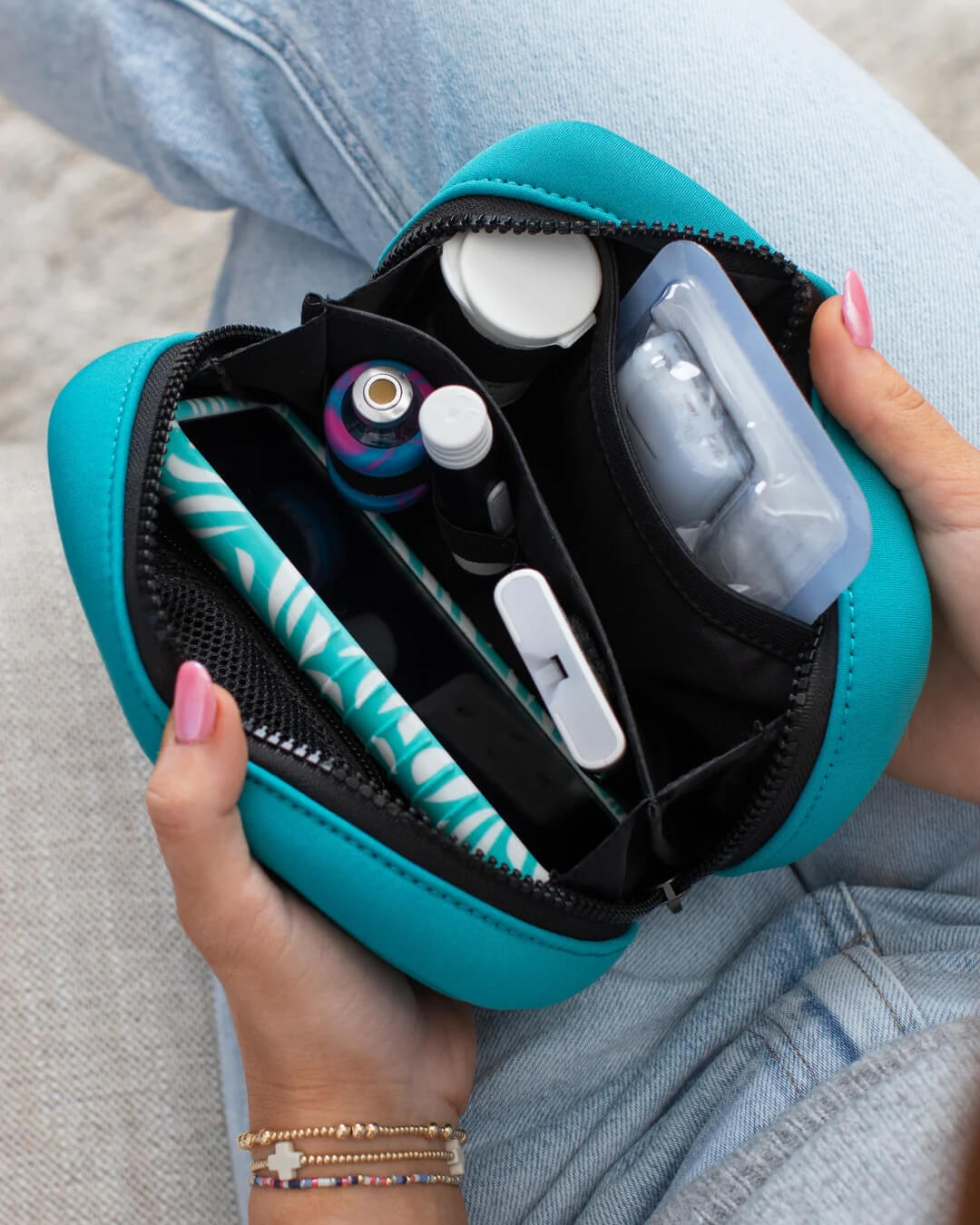
If you’re flying, Jess shared some really practical tips in the episode. Always pack your diabetes supplies in your carry-on, not your checked bag. Flights get delayed, luggage gets lost, and you don’t want to be stuck without your meds. A brand called Frio Duo makes TSA-friendly insulin cooling cases that keep insulin cold for up to 45 hours, and websites like Sugar Medical or Etsy offer insulated travel pouches that are both functional and cute.
Make sure to bring double the supplies you think you’ll need. Talk to your provider ahead of time to make sure you have enough medication and any necessary prescriptions. It’s also smart to pack glucose tabs, applesauce packets, or electrolyte powders in case your blood sugar drops or you need to rehydrate after a long flight.
Unfortunately, research shows that only about 24% of people with diabetes actually have these travel prep conversations with their healthcare team. That means most travelers are figuring things out on their own which is why education, preparation, and asking questions early can make such a difference.
Another helpful tip is to bring an empty reusable water bottle and fill it up after TSA. You don’t want to rely on those tiny plastic cups to stay hydrated, and having your own bottle makes it easier to sip throughout the flight at your own pace.
Tips for road trips and long drives
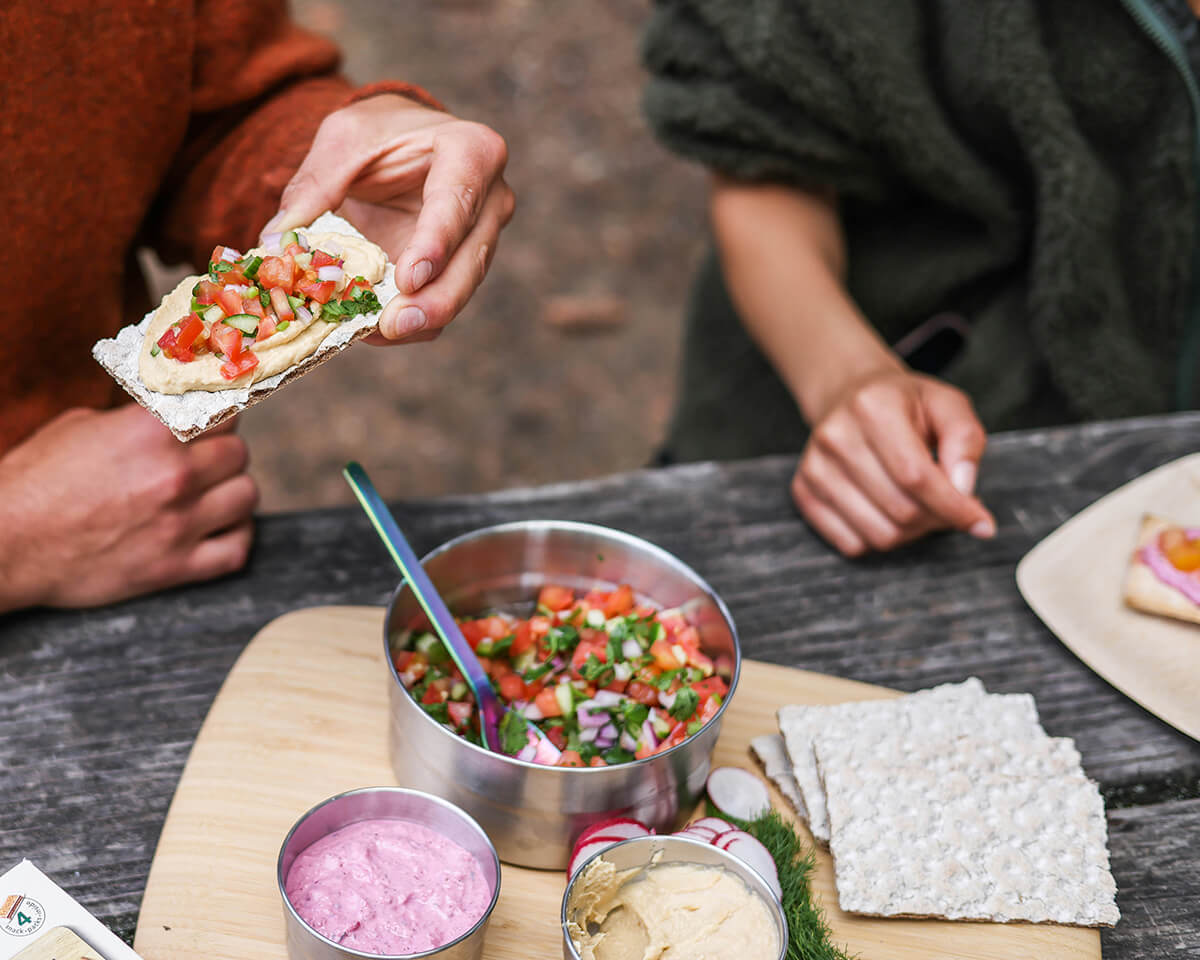
For road trips, Wendy shared some of her go-to car strategies. A cooler can be your best friend. Stock it with hard-boiled eggs, string cheese, hummus, sliced veggies, wraps, or sandwiches. It’s a great way to have easy, balanced meals and snacks without relying on convenience stores or fast food stops.
Plan for rest stops, even if it’s just to stretch or walk around. Long hours in the car can cause the same issues as long flights. Changes in energy, hydration, and difficulty tuning into body signals. Try to avoid skipping meals, and keep a snack nearby that has carbs plus protein or fat (like cheese and crackers) to help maintain your energy and blood sugar levels.
And if, like us, you hate stopping to use the restroom every 30 minutes, consider spacing out your water intake. Drink more toward the end of your drive when a bathroom’s in sight. It’s a small tweak, but it can make a big difference in how you feel.

Support your blood sugar without giving up the fun
Part of travel is socializing, celebrating, and eating out. And that’s okay. You’re not doing anything wrong by enjoying yourself. Instead of getting stuck in the loop of “should I eat this” or “was that the right choice,” try this. Think about what you can add to your plate to support your body.
Jess gave some great examples like pairing chips with guacamole or fruit with cheese. Adding a little protein or fat helps slow down the absorption of carbs and keeps your blood sugar from spiking. Even small choices like ordering a salad with your pizza or taking a short walk after a heavy meal can help you feel better without needing to overhaul the experience.
Please don’t skip meals to “save up” for a big dinner. That just leaves you low-energy and more likely to crash after eating. Try to eat regularly throughout the day and avoid waiting too long between meals.
If you’re drinking alcohol, make sure you eat with it. Skipping food while drinking can make blood sugar lows more likely, especially for folks on insulin. And if you’re enjoying a few drinks, alternate with water to keep yourself hydrated and feeling better the next day.
Stick to one or two supportive habits
Travel often throws routines off. That’s just part of it. But bringing back one or two familiar habits can help you feel grounded. Maybe it’s taking a short walk after breakfast, journaling, or doing your usual breathing exercises. Maybe it’s sticking to your regular medication timing, even across time zones.
You don’t need a perfect routine. You just need something that helps you feel more like yourself while you’re away from home.
Choose curiosity, not control
Blood sugar is going to fluctuate. Travel, stress, food, hormones, and life in general will cause changes. That’s not a failure. It’s a normal part of living in a body. If you’re using a CGM, try to look at it as a tool for feedback, not judgment. What can I learn from this? How do I feel? What’s one thing I can do right now to support how I want to feel?
Jess said it best: Don’t let perfect get in the way of good. Focus on adding, not restricting. Bring your snacks, plan your meds, hydrate, move when you can, and most importantly, give yourself permission to enjoy your trip.
Transcript
Welcome back to another episode of the Diabetes Digital Podcast.
We are so excited to have you and the summertime is here.
And what we’ve noticed on the patient side is that summertime, usually things slow down because a lot of people are going out of town, us included.
0:19
Just what travel plans do you have this summer?
Well, we’re going to Italy.
Together.
Yeah, we are.
Yeah, and we’re so excited about that.
Yeah, I haven’t been to Italy since 2013, a while ago.
0:35
And then when I went, I went by myself.
So it’s going to be so fun to go with a group.
It’s going to be both us and our husbands, and then we’re going to ditch them and go on a girls trip.
So it’s going to be really exciting.
Yeah.
Do you have any other trips or is it?
0:50
I mean I know this is like a big one, but.
That’s my main one.
Less is more.
Yeah, yeah.
But yeah, me and my friends here, we’re going on a summer camp.
I think I mentioned that.
So we’re going to be doing an adult summer camp in August.
1:06
It’s going to be, that’s going to say upstate California.
It’s going to be in Northern California and.
And that should be a hoot and a holler.
So I’ll keep you posted.
Yeah.
What about you?
Yeah, the Europe trip is going to be my main one as well, because I’m going to be doing a few other destinations within Europe before we meet.
1:26
I’m also going to the Dominican Republic, which I usually go to in the summertime.
Yeah, going to be heading out there soon, But yeah, I think that that’s about it.
That feels pretty full.
And one thing that I’ve noticed when I travel, especially for longer periods of time, is that my eating habits get thrown off just like the time that I start eating in the day, the options that are available, especially depending on where I’m going.
1:51
And so we wanted to do this episode because we know a lot of you are doing summer travel and that can throw your whole routine off, especially if you have diabetes, If you have pre diabetes and you’ve been trying to make some changes in your eating habits, it could be stressful.
2:07
Like we’ve had so many patients who are like, we need a session just dedicated to like preparing for this trip that I have coming up.
So we wanted to go over some simple, flexible strategies to help you care for yourself and your blood sugar while you are traveling and whether it’s going on a road trip, whether you’re catching a long flight, whether it’s a weekend, we have got you covered.
2:31
And so that is what we’re going to be getting into in this episode.
Welcome to the Diabetes Digital podcast.
I’m Wendy.
And I’m Jess, and we’re best friends, registered dietitians and diabetes educators.
Through our telehealth platform, Diabetesdigital.co, we offer accessible and personalized virtual nutrition counseling for people with diabetes and prediabetes.
2:52
Visit diabetesdigital.co.co to book your first appointment.
We accept insurance and offer affordable self pay.
Now let’s get into today’s episode.
This podcast is brought to you by Hero Bread.
3:07
As dietitians, we’re always on the hunt for store bought foods that we can confidently recommend to our patients.
But here is the catch.
Anything we recommend has to actually taste good.
Life is short, and I both live to eat and eat to live.
That’s when Hero Bread reached out.
3:24
I’d seen them in stores, but I hadn’t picked anything up yet, and they had sent a bunch of products for us to try.
Now, my husband and I, we love food, and we were immediately hooked.
Hero Bread isn’t just tasty, it’s functional too.
Each serving has zero to 2 grams of net carbs, no sugar, and four to 10 grams of protein, depending upon the product.
3:43
So the Hawaiian rolls for example, which are new and I love.
They have 4 grams of protein per serving.
It’s perfect for managing blood sugar or adding more protein while eating the bread you love.
Their tortillas are a new favorite in my house.
My husband and I both love using them to make quesadillas as quick snacks.
4:00
I’m a big quesadilla girl.
I’ve also been using their bread for sandwiches.
I love making a sandwich for lunch because it’s easy and it’s filling, but I am picky about bread.
It has to be the best part.
And here’s the thing, sometimes breads with health claims tend to be dry and disappointing.
4:17
But not this one.
Hero Bread is moist, chewy, and really truly satisfying.
Their hamburger buns are also perfect for my vegetarian patties, and the extra protein helps me hit my daily protein goals.
Now, whether you’re looking to manage your blood sugar or you just want to enjoy a delicious bread option with added protein and prebiotic fiber, Hero Bread is a simple and tasty option.
4:41
Ready to give it a try?
Visit hero.co to shop their full lineup and use our special coupon code DD10, that’s DD is in Diabetes Digital 10 to get 10% off at checkout.
And don’t forget, they also offer free shipping for orders over $50.
4:57
That’s hero HE ro.co.co.
Now, on to the episode.
I want to start off by just talking about what might be happening in the body when you’re traveling.
That can cause some, you know, elevated blood sugar.
So #1 is long sitting periods, right?
5:15
I just actually came back from Charlotte, NC, visiting Wendy.
She moved there, for those who didn’t know, and we were on a plane for five hours.
Somehow on the way there, I was stuck in the middle seat.
And I was just like, oh, Oh my gosh, like I like to be able to move because I know it’s good for my blood sugar, especially someone who was recently diagnosed with pre diabetes.
5:36
It’s something I’m just a little bit more cognizant about of like, you know, not sitting for five hours at a time, which can happen easily on a flight.
So as much as I could, I tried to get up and stretch or, you know, walk up and down the plane, just move a little bit, which can be helpful.
But sitting for long periods, unfortunately, since your muscles aren’t moving, you might end up having more glucose kind of hanging out in the blood.
5:58
Another thing that can happen is delayed or skipped meals.
This also happened on on the flight, right?
You’re flying for five hours.
And it was funny because the flight attendants, I think it was an accident.
They were like, OK, lunch service is now being served.
6:14
And we were like, Oh my gosh, we’re getting lunch.
Like we’re not in first class, What’s happening?
And then we never got lunch.
So we think they actually mentioned it.
It was like first class only, but they mentioned it for the whole flight.
And I was like, wow, I was like waiting for two hour.
I was like, we ain’t getting no lunch.
6:29
So you might have delayed meals.
Sometimes the airport food is just not just not great like taste wise.
And of course like that can cause blood sugar spikes and dips because you know, you’re not eating your usual meals.
There’s also heat and dehydration.
6:45
We had both of these also in Charlotte.
It was very hot and even though I was drinking a decent amount of water, I still was dehydrated.
So I needed even more water and I knew I was dehydrated based on a how I felt and be looking at my pee.
That’s a really good way to tell your hydration status.
7:03
So if your urine is the color of a light lemonade, it indicates that you are hydrated.
But if it’s darker, like the color of a tea, then you might be dehydrated.
And mine was definitely a tea color.
This can raise glucose or cause fatigue, and that’s because there’s less fluid in your bloodstream, so it makes the glucose more concentrated.
7:24
Now, the last thing that can happen with blood sugar is stress from flying and driving.
That can have an impact on cortisol, which is your stress hormone.
And a rise in cortisol can trigger a raise in blood sugar.
And I know this happens all the time and even like on a trip Wendy and I went on with our husbands, we were driving to Tahoe.
7:48
We rented a Tesla.
Lord, that Tesla.
I will never again.
That Tesla could not even make it like 30 miles without us breaking down.
Having to charge that alone made me vow to never get a Tesla.
8:05
And then we have all this political stuff happening.
So I’ll never, ever get a Tesla now.
But yeah.
And so anyway, it caused a lot of stress.
You know, the what do they call it?
The charge anxiety?
Like even I Remember Me and my husband, like, just like freaking outgoing at it about like, should we keep going, going?
8:22
Should we charge?
Yeah, there’s a lot of stress.
Yeah.
And I was thinking too, just like you get dehydrated based on the weather, but also being on these long flights.
Like for me, I don’t like to drink a lot of water while I’m on the flight because then I have to use the bathroom and it’s so uncomfortable to use the bathroom on the plane.
8:40
And what happens with me is, like, every time I take longer flights, I get constipated because I’m super dehydrated.
And it’s like the, it throws everything off the first few days.
I have to, like, pack stool softeners to make sure that I can actually use the bathroom.
8:56
And so yeah, that’s something super annoying to keep in mind.
You might just have to, like, pack some supplements or some medication to help you, especially if you’re prone to Constipation, because who wants to get up every hour to, like, use an airplane bathroom, you know?
9:13
So that’s why I have to sit at the aisle.
Yeah, I sit in the aisle, but still it’s like I don’t want to go in that little box.
It’s so uncomfortable.
It’s like not hygienic.
Like I’ll definitely go but I I don’t want to go like 5 times on a flight.
Because my bladder’s super.
9:29
Weak.
Yeah, yeah.
Same.
Yeah.
But Speaking of packing things, one thing that you can do is packing your snacks.
And one thing that I love about packing snacks is that snacks usually don’t take up a ton of space.
So they’re usually pretty easy to incorporate in your luggage.
9:47
And you can do things like trail mix, like especially for longer trips, I’ll always pack a bag of trail mix.
If you’re doing like a shorter trip, you can do those like individual packs where they have like almonds, pistachios.
Tuna is also something that I have packed in the past for longer trips, especially if you’re going to a place that’s very meat heavy and you don’t want to eat as much meat.
10:11
Tuna is like a really easy way to incorporate protein seafood.
It’s very affordable.
Olives are another thing that you can pack crackers, jerky sticks, protein bars, like things like that.
Dried fruit is another really good one.
10:27
So just thinking about what snacks you can incorporate while you’re away on your trip because sometimes, like especially if you’re out doing a lot, you might not have the time to like sit down and eat a full on meal.
And so this will allow your energy to be more stable throughout the day when those meal timing options are off.
10:49
I also want to go over some air travel trips, especially for people who do have diabetes and maybe those who are on insulin.
So number one is pack your diabetes supplies in a carry on.
Do not check them because you might need them on the flight and you cannot get to your checked luggage while in the air.
11:08
A couple of tools that you might want to consider.
There’s a insulin cooling case by Freo Duo, which is TSA friendly and it keeps the insulin cool for up to 45 hours.
So that’s great, especially if you’re on a longer flight.
You can also go to Etsy or websites like Sugar Medical which sell travel bags and even some of them are insulated.
11:28
Now, another tip is to bring twice the amount of meds and supplies that you are going to need on the trip.
There’s nothing worse than being in a different country and running out of your medication.
And you know, it can be hard to get your medication.
You need prescriptions, things like that.
11:46
You know, there’s language barrier.
So definitely bring that you need.
Sometimes you just have to simply tell the doctor you’re going on a trip like that’s happened to me.
You tell them for how long you get the supplies you need and you know, advocate for yourself if they try to say no because it is important to be prepared.
12:03
Also glucose tabs really important to pack those and snacks for potential lows.
So things like applesauce packets or go go squeeze can be helpful.
And of course, like Wendy said, hydrate before and during the flight, before or during and after.
12:21
So when they come around and ask, do you want a beverage?
Often times I’m like, oh, I don’t even feel like it, but I try to force myself because I’m usually not even thirsty on a plane.
But I know that once I land and start getting into what I’m getting into, I always feel dehydrated.
12:37
So bring those electrolyte packets if you have them.
There’s many different brands.
I like Noom is 1 NUUM it’s I feel like it’s a pretty balanced 1 and also it’s more affordable.
But there’s also brands like hydrant too and you can even bring an empty reusable water bottle and fill it up after TSA.
12:59
This is one of my favorite things too because AI don’t always like wasting the plastic cup.
When I they do give me water on the flight.
I I like to sip at my own pace and sometimes I feel anxious and rushed when like they give you something to eat or drink and then 10 minutes later they’re coming with a bag and I’m like oh I I only had a couple sips.
13:17
So try to bring your own water bottle as well.
Yeah, so just covered plane travel.
I’m gonna give some tips.
If you’re going on a road trip or if you’re driving anywhere by car, whether it’s short or long distance, one thing you do is pack a cooler.
And so you can pack things like hard boiled eggs, string cheese, hummus, veggies, foods that are easy to eat.
13:39
So think like sandwiches, wraps.
You can also pack your fruit and have that with some pre sliced cheese, like things that are very easy to eat when you’re on the go.
If you’re doing a longer trip, like I recently drove from New York to Charlotte, it’s good to incorporate breaks.
13:57
Even if it’s not like you staying somewhere, just like getting up, walking a little bit, going to the bathroom, going for a short walk, having your stretches, that makes all the difference just to get your blood circulating and so you can tap in with how your body is feeling.
14:13
Because if you’re sitting for a prolonged period of time, sometimes you just kind of like tap out and you don’t even realize like, hey, wait a minute, do I need to have some food?
Like how am I feeling?
Maybe I’m a little lightheaded.
And it’s good to also research ahead of time, like what are some stops that you can make for food, right?
14:29
Because sometimes depending on where you’re going, food is very limited.
And so if you research that ahead of time, it can be helpful just so that you can plan accordingly.
I would avoid skipping meals, even if you have a low appetite, try to have something.
14:45
If you don’t want a full meal, you can do a snack that has a combination of different macros.
So like the cheese and crackers could be good, a peanut butter sandwich, like just something like that so that you’re not going hours and hours without eating because similar to the bathroom situation on the plane, that’s something that I struggle with.
15:06
Two is like drinking while I’m driving because then I have to like make all these stops, use the bathroom.
One thing that you can try to do is drink most of your fluids, like maybe the last one to two hours before arriving.
Like having a little bit as you go, but then saving most of it towards the end so that you know you’re going to be hitting a bathroom soon and that that way you know you get some relief.
15:30
Another thing to point out is that travel often comes with more social events, family gatherings, barbecues, eating out with friends.
That’s like the main thing that I do when I travel.
And sometimes you can feel a lot of pressure about making the quote UN quote, right choice.
15:46
But we’re here to tell you as dietitians that it is totally OK if things don’t look perfect, even if you are someone who has diabetes.
And instead of focusing on restriction, think about what you can add to help support your blood sugar.
So try not to stress about the perfect choice.
16:02
Also remember there’s always add-ons that can help.
So trying to pair protein and fat with carbs.
So for example chips with guacamole or fruit with cheese.
Having the pair is going to help make your blood sugar more stable.
16:18
Definitely eat regularly.
Don’t save up for the big meal.
Try to still have breakfast, lunch, dinner.
Also that whole saving up thing, it just makes you low energy because you’re low energy because you didn’t eat and then you’re low energy after you have like that bigger meal and it can have a negative impact on your blood glucose.
16:38
So try to keep it regular.
And if you’re drinking alcohol, definitely make sure you pair it with food.
OK, I know people try to save money and not eat so that, you know, you feel the drinks more, but well, you know, cheap date, I don’t know.
16:56
But you definitely want to bear with food because that’s going to just, you know, make you feel better and make your blood sugar more stable.
Monitor for delayed lows, especially folks on insulin because alcohol can cause lows as well.
17:13
And as always, stay hydrated.
So if you aren’t drinking alcohol, maybe alter between one glass of alcohol and a glass of water so that your body just feels good.
Absolutely, yeah.
And I’m going to share some habits that might be helpful while you’re traveling because for those of us who love routine, that tends to go out the window when you’re on a trip.
17:36
And so it’s good to incorporate just a couple of things that you normally like to do or that you usually stick to just to have a little bit of sense of normalcy too, while you are traveling.
One of those things is gonna be medication timing.
I would say if you have diabetes, that’s probably one of the most important things because you, especially if the time zones are changing, you might not be used to taking your medication at like such an early time or such a late time.
18:04
So really being consistent with that timing.
And if you do need to change the timing, just making sure that you’re adjusting meal times and everything else so that you’re not running too high or too low.
Some other habits that you can incorporate are taking a walk and you can do that maybe after your meals if that’s something that you usually do.
18:23
Or if you do it in the mornings, you can still try to do that even if it’s like 15 minutes, just to have a little bit of a routine going.
We spoke about hydration, so maybe every hour you’re having a cup of water or you’re having some tea or something like that.
Practicing breathing or mindful eating, those are all things that you can do anywhere.
18:41
And so just trying to pick one or two things that you can consistently do throughout your vacation to just help connect with whatever it is that you were doing before.
Yeah, and in closing, we shared a lot of tips, but I think it’s just really important to hone in on this idea that you don’t want to focus on perfection, especially while on vacation.
19:05
And one of my favorite quotes is don’t let perfect get in the way of good.
So often times you know, it’s a good enough decision.
It doesn’t have to be the perfect 1.
You know you have the pizza, great.
Maybe pair it with Salin, who if you are in the mood, maybe you’re not, I don’t know.
19:22
Maybe you have the pizza and then you go on a walk after.
So there’s a lot of different things that you can do.
Blood sugar fluctuations are a part of life, it’s not a failure.
Also, focus on adding supportive tools, not removing joy because life is short and you want to be able to experience things while you travel.
19:40
I also recommend focusing on curiosity over control, so using your CGM or your Commodore as feedback and not judgment because oftentimes we can feel bad about things and you know, maybe it’s like, OK, you had this and you realize that made you go high.
19:56
And maybe next time you again try one of these little tools and see if that makes a difference.
The last thing I’m going to say is ask yourself what’s one small thing I can do right now to support how I want to feel versus what can I take away?
20:11
What should I not do?
Feeling bad?
Like what can you do to support how you feel?
I love that quote because it’s framed in such a positive way and it makes it less overwhelming.
It’s just like 1 little thing that you can do.
Yeah, I love that quote.
Yeah.
It’s not about getting things, especially when you travel, like, you don’t want to be stressed out about doing all these things perfectly.
20:32
You want to have a good time.
So hopefully this episode gave you some tools that you can incorporate, some options for supporting your body, supporting your glucose goals.
And yeah, with that being said, have an incredible summer.
20:48
Have fun wherever you are going.
Even if you’re staying home, have fun at home.
Stay patient.
Yeah, exactly.
And we will catch you in a few weeks.
Bye.
Thanks for joining us for today’s episode.
If you’re interested in nutrition counseling with one of our expert dietitians to help improve your pre diabetes or diabetes, visit us at diabetesdigital.co.
21:10
Also, if you found our conversation helpful, do us a favor and rate and review this podcast on iTunes, plus share with someone who might find this helpful.
You can also connect with us on Instagram at Diabetes Digital dot.
Co and TuneIn every Wednesday for practical, inclusive and culturally humble diabetes insights.
21:30
We’ll catch you later.
Bye.
Wherever you’re headed this summer, I hope these diabetes travel tips help you feel a little more prepared and a lot more free.





Leave a Reply