


When you live with diabetes, you are not only managing blood sugar and medications, you are also managing fear, misinformation, and a lot of invisible emotional work. In this episode, we sat down with our own type 1 diabetes dietitian, Tiana Lavin, to talk about her diagnosis story, what she wishes she had known sooner, and the simple routines that help her feel grounded with food and blood sugar today. We recently did a podcast episode on this topic, and you can check that out here.
In my experience as a dietitian, conversations like this remind people that they are not alone, and that support can look practical, kind, and nonjudgmental at the same time.
Are you living with diabetes or prediabetes and want support from a Registered Dietitian Nutritionist covered by insurance? Take our intake quiz to sign up for 1:1 nutrition counseling with our culturally humble, weight-inclusive Diabetes Dietitians. Our 12-week program helps you lower your A1c and improve your relationship with food. Most insurance patients pay $0 out of pocket! Start your journey to better health today.

Tiana’s type 1 diagnosis story
Tiana was diagnosed with type 1 diabetes while she was in college, during finals week, and already studying to become a dietitian. For weeks she had been experiencing several symptoms, including increased thirst, unintentional weight loss, fatigue, muscle cramps, light sensitivity, and blurry vision.
She went to her campus health clinic and requested labs, including a blood sugar test. Initially her concerns weren’t taken seriously, but later that day her doctor pulled her out of class, explained that her blood sugar was extremely high, and sent her to the emergency room. She was admitted in diabetic ketoacidosis.
During her hospital stay, she received conflicting information about her diagnosis. Different providers questioned whether she fit the profile for type 1 or type 2, and she was given several rigid or inaccurate statements about what she could or couldn’t do moving forward. After discharge, even her physiology professor questioned the type 1 diagnosis based on her age.
Experiences like this are common for many people newly diagnosed with diabetes, and they shape the relationship people have with the healthcare system. The mixed messages and overly absolute statements can create a lot of confusion and make it harder to feel confident in next steps.
From type 1 diagnosis to rebuilding trust with food and care
For Tiana, those early interactions influenced how she approached food, numbers, and diabetes management in the beginning. She tried to be as “perfect” as possible because that was the message she absorbed from the professionals around her. Over time, and through her training as a dietitian, she learned that sustainable care looks very different. Instead of strict rules or pressure to achieve non diabetic numbers around the clock, she shifted toward balanced meals, realistic goals, and a more grounded relationship with food.
What she wishes her newly diagnosed self had known
When Jessica asked Tiana what she would tell her younger self, her answer was clear: Do not go to extremes.
She wishes someone had told her that:
- You do not need to avoid carbs to manage type 1 diabetes
- You will not have “perfect” numbers all the time, even if you do everything right
- Chasing “non diabetic” numbers around the clock will burn you out
- You can build a relationship with food that feels calm, flexible, and satisfying
Instead of trying to erase carbs or punish herself with rigid meals, she eventually learned to work with her body using balance. That shift did not happen overnight. It came from education, trial and error, and seeing that the super restrictive approach did not even give her the blood sugar results she wanted.
As a dietitian, I see a lot of people in that same place. They have cut so many foods, their numbers still are not where they hoped, and they feel like they have failed. The problem is not you. Most of the time the problem is the all or nothing approach.
Simple food routines that support type 1 diabetes
Tiana shared a few go to strategies that help her as a type 1 diabetes dietitian and that often help her clients too. The best part is none of these involve cutting out all your favorite foods.
Build a more savory, balanced breakfast
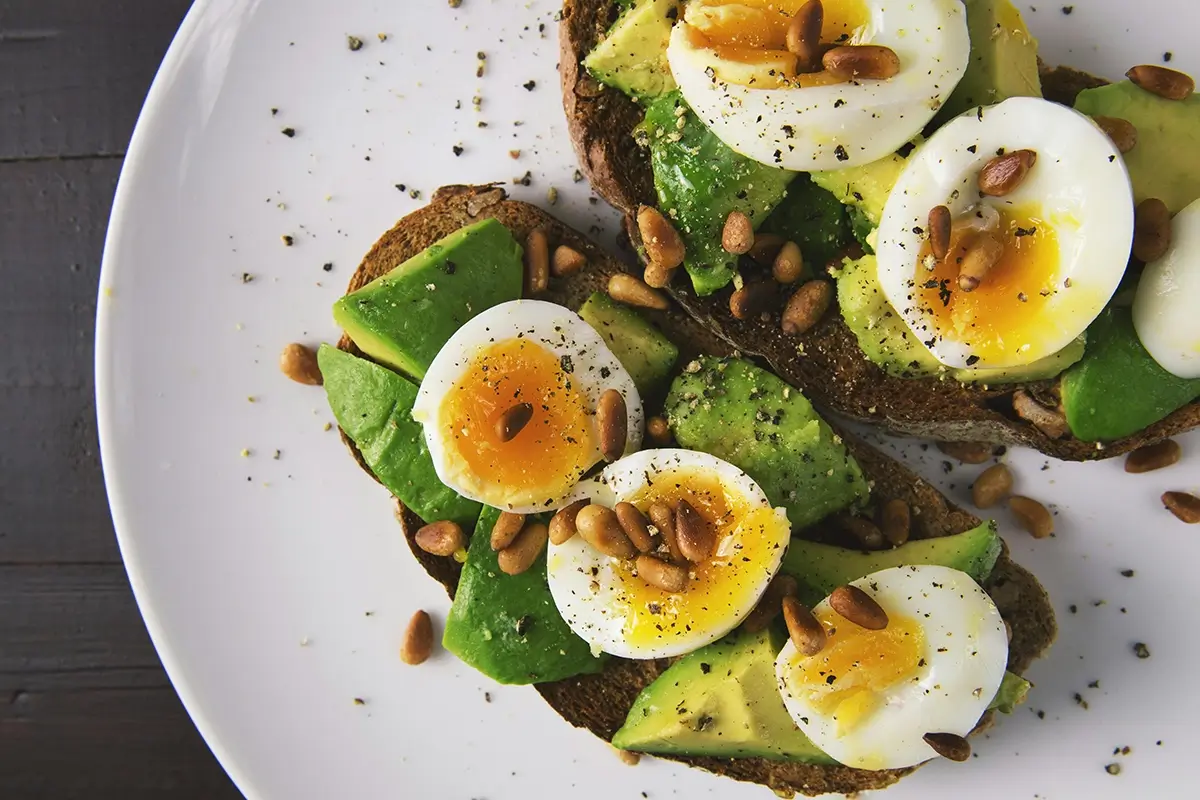
Breakfast can feel especially tricky for people with type 1 because of dawn phenomenon. Hormones like cortisol rise in the morning to help you wake up, and that can nudge blood sugar up before food even enters the picture. Tiana noticed a big shift when she moved toward savory, balanced breakfasts that include protein, fiber, and fat. Think veggie scrambles with avocado and a side of fruit, breakfast burritos, or avocado toast with eggs instead.
Pre bolus your insulin when possible
For people using rapid acting insulin, timing matters. Insulin needs time to start working, so taking it only after you eat often leaves you “chasing” a spike.
Tiana keeps a small medication card by her side that lists the onset times for different insulins, and she works with clients on adjusting timing so insulin and food are better matched. Even moving your insulin dose a little earlier, when safe and approved by your provider, can help keep numbers steadier.
Give your dinner and evening routine a bit of breathing room
Overnight highs are a common pattern she sees on continuous glucose monitor reports. Eating a very carb heavy dinner right before lying down makes it harder for insulin and movement to do their job.
When she can, Tiana eats dinner with a bit of time before bed and includes protein and vegetables along with rice, pasta, or bread. Light evening movement, even things like tidying up, walking around the house, or doing dishes, can also help your body use insulin more efficiently before sleep.
Caring for your mental health and finding your people
One of the most powerful parts of this conversation was hearing Tiana talk about the mental side of diabetes. She described type 1 as a second full time job that no one can see. You keep track of supplies, prior authorizations, prescription refills, alarms, corrections, and backup plans, all while working, parenting, studying, or caregiving.
From the outside, you may look fine. On the inside, you are spinning a lot of plates.
This is where community becomes less of a nice extra and more of a lifeline. For Tiana, meeting even one other person with type 1 changed everything. She now encourages her clients to look for local walks, support groups, or online spaces where they can vent, ask questions, and hear “me too” from someone who actually lives it.
In my experience, that sense of “someone else really gets this” can lower shame and soften perfectionism in ways that numbers alone never do.
Using diabetes tech in a way that supports your life
As a type 1 diabetes dietitian, Tiana is our resident tech expert. Still, she shared that she did not jump into continuous glucose monitoring right away. At first it felt like too much on top of a new diagnosis.
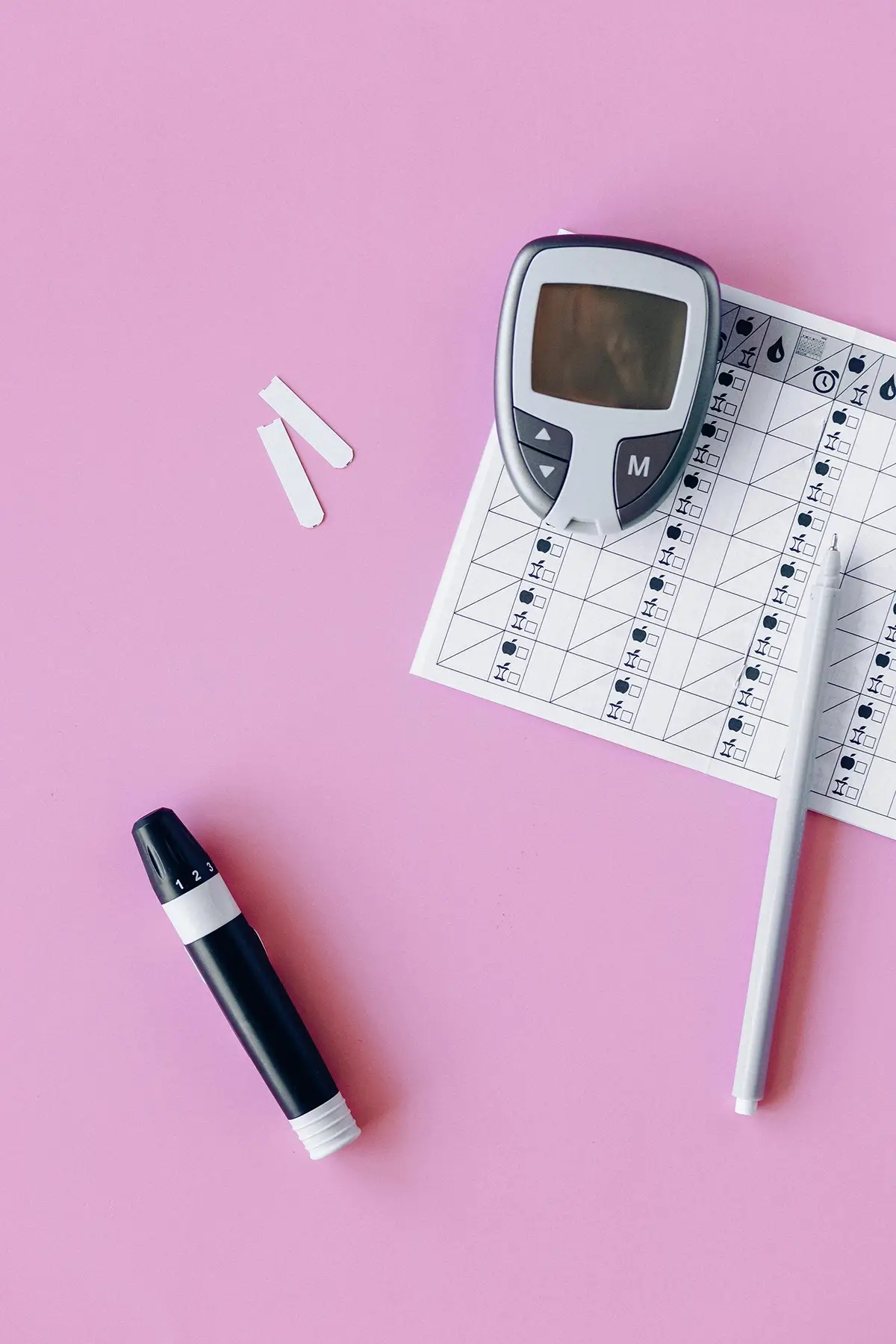
Over time, CGM became one of her most helpful tools. Wearing a CGM gave her real time feedback and helped her see patterns without endless finger sticks. She also spends time with clients looking at CGM alerts, high and low thresholds, and repeat alarms.
Those settings sound small, yet they shape your whole day and night. Setting alerts at a helpful level, instead of turning them off in frustration or leaving them at a factory default, can reduce alarm fatigue and still give you the information you need.
The goal with tech is not perfection. The goal is more information, more safety, and less guessing, so you can focus on living your life.
Working with a dietitian who lives with diabetes
If you heard Tiana’s story and felt a spark of recognition, you’re in good company. Many of our clients share that working with a type 1 diabetes dietitian has been a meaningful part of their care. At Diabetes Digital, you can work with Tiana or another weight inclusive, culturally humble dietitian from wherever you live. We accept many insurance plans and also offer self pay options.
If you want to see which of our dietitians might be the best fit for you, you can start with our online quiz at Diabetes Digital and select who you would like to work with. If Tiana is your dietitian, there is a good chance you will hear from her even before your first visit, since she helps welcome new patients into our care.
Transcript
0:00
Welcome back to the Diabetes Digital podcast.
We are so excited to be joined by one of our very own dietitians who really understands diabetes care from both sides, as a clinician and as someone living with type 1 diabetes.
We have Tiana Lavin, who is a registered dietitian.
0:19
She’s based in San Diego.
She’s been working in the field of nutrition since 2018, and her work specializes in helping adults find balance between enjoying food and managing their blood sugars.
She brings such a unique perspective as someone who has been living with type 1 diabetes, and we’re going to be talking more about her diagnosis, lessons that she’s learned along the way, and also her approach to nutrition.
0:47
Yeah, we’re very excited.
To talk to Tiana.
Because we had a, we had an award ceremony with our dietitians for our team trip.
And the award that Tiana got was Result Rockstar.
And that is partly because she is really good at helping clients lower their A1C, especially clients who have diabetes or type 1.
1:09
And they feel like they’ve done everything.
And there’s like nothing that a dietitian could possibly do.
Like she’s a dietitian who will still help you get your A1C down.
So I think it’s really good to talk to her to learn not only like her personal journey with type 1.
And she’ll share a little bit about her diagnosis story, which, yeah, I’ll, I’ll, you guys will hear that.
1:31
And it’s pretty interesting as well as, yeah, just some of the mental and emotional sides of managing diabetes, navigating the healthcare system, some diabetes tech and insulin insights.
She is a wealth of knowledge and we’re so excited to talk to her today.
1:47
Welcome to the Diabetes Digital Podcast.
I’m Wendy.
And I’m Jess, and we’re best friends, registered dietitians and diabetes educators.
Through our telehealth platform, Diabetes digital.co, we offer accessible and personalized virtual nutrition counseling for people with diabetes and pre diabetes.
2:04
Visit diabetesdigital.co.co to book your first appointment.
We accept insurance and offer affordable self pay options.
Now let’s get into today’s episode.
So welcome to the podcast, Tiana.
Thank you.
2:19
I’m so excited to be on with you guys.
You guys are my not only bosses, but mentors, and I’m really honored to be here.
Thank you for such that beautiful welcome of.
Course, we’re so excited to have you and I think it’ll be good for us to start with you giving us a little bit of background about yourself, how you got into diabetes care, where you’re from, what is the focus of your work today.
2:47
Tell us a little bit more.
Yeah, yeah.
I’m from Boulder, Co, actually.
And I everyone thinks that I became a dietitian because I got type 1 diabetes, but actually I was already in school becoming a registered dietitian when I got diagnosed.
3:04
So naturally it kind of just like led me to working in diabetes throughout my career because I had so much, you know, personal experience and I could really relate with people.
So I’ve come to just seeing it as like a silver lining.
Honestly, it does really like help me on a personal level to be talking and engaging in conversations like this all the time.
3:26
So I feel really fulfilled doing this work.
And then also I’m really happy to be sharing everything I’ve learned along the way.
Like, I have a client who is the same age that I was when I was diagnosed.
She’s 21.
And it’s just the coolest experience to be able to like, have a full circle moment and tell her all the things that I wish someone would have told me at the time.
3:44
So that’s kind of how, like, where I’m from, I went to school in San Diego.
I live here now, but that’s kind of like what led me to working in diabetes.
Yes, I have a follow up question about your patients because I do read all the reviews that come in and I have seen quite a few patients say like they love working with you just because it feels like they can talk to someone who gets it and just kind of talk shop and talk about different apps and tech.
4:11
And even just hearing you and Jenny who is our other dietitian with type 1 diabetes talk about like bolusing before oatmeal or whatever it is.
Like what have you heard from your patients, like in terms of what it is like working with someone who actually has type 1?
4:27
Yeah, I feel like even when they don’t have type 1 necessarily, just being someone who lives with diabetes, pre diabetes, type 1, whatever it is, you have such a different relationship to the healthcare world.
You have all of a sudden medications that you need, prescriptions you need to get through prior authorizations like navigating healthcare as someone who you know, needs to now, and that might be something new in your life that it’s just so intimidating and overwhelming and just having someone who understands what that feels like and lives that and like has those struggles.
5:04
There’s just a level of like trauma bonding, honestly, but like relatability there, you know what I mean?
So it it’s really been a great experience.
Obviously, when it’s a type one, it’s like a whole other level of like, oh, like you really get the struggle.
Like you’re not just like, Oh, I see how that it could be hard.
5:21
You’re like, yeah, I feel how, like, hard it is.
So the feeling is so mutual.
Like I feel so fulfilled working with people who are going through things that I go through and deal with every day.
And I feel like they’re just relieved.
Like they don’t have to explain it.
Like they just know there’s a level, you know, and it, it’s very apparent in our conversations.
5:39
Like we can almost complete each other’s sentences in a way.
It’s like, yeah.
And then that’s so frustrating.
And then you have to do this thing.
And yeah, I, I totally get it.
And I also have like really realistic expectations for people and they know like that.
I understand that.
So it’s just a nice kind of like playing field for us both to be having that perspective and insight.
6:00
Another thing I’ll add to that too is I listen to with permission from the patient, we listen to some visits, right, just to like make sure everything is standardized with our care.
And one thing I have noticed that you will say to people, even if it’s somebody with like pre diabetes is helping them come to peace with if it does develop into diabetes, it is OK.
6:24
Like they’re going to be OK.
You have diabetes like you’re able to, obviously there’s challenges we’ll talk about, but you’re able to still live your regular life.
And it seems like patients really appreciate that and it’s less scary to them.
Absolutely.
I remember when I was diagnosed with type 1, I didn’t know anyone who had type one.
6:43
No one in my family had it.
My dad ended up getting it, which is a whole other story after me at the age of 50. 8 and at the time.
I didn’t know anyone and I literally haunted down my first friend with diabetes.
Like I looked up San Diego type 1 diabetes on Facebook, like found a group, went through the members, messaged someone like I really that connection and like having someone who you can see that’s like not only living with it, but like doing well and like, you know what I mean?
7:10
Like that was really important to me.
I just needed to see one person who like was functional and like happy enough and like thriving enough to make me like see the vision.
Like, OK, this isn’t going to be like the most catastrophic worst nightmare situation.
Like worst case scenario, because I really had like no idea, like what is normal to like be hit with the diagnosis like this, Like how much is this going to throw my life, you know, for a world, like how are other people handling it?
7:37
And she to this day is one of my really good friends.
She has two beautiful babies.
She had healthy pregnancies.
Like, she’s really been a huge part of like my experience that like made me feel so much better.
So I think that there is such a level of relief seeing someone who’s living with it, who’s like working their job and like doing like traveling, enjoying food, genuinely like not feeling overly restricted, like feeling like they’re living a full balance, healthy, well-rounded life.
8:06
Like that is huge.
And I think it’s, yeah, a relief to me.
Like I go to, you know, community events all the time and I love meeting other people and seeing all the cool things they’re doing.
And yeah, it’s, it’s definitely important.
Community is huge.
Having someone else to like, see how they’re doing with it.
8:22
A lot of people it is like, especially if they’re just pre diabetes or, you know, this is so new for them.
It’s like their biggest fear, There’s a lot of fear there.
So just showing them like, Hey, look, I literally don’t produce insulin, like, and I’m fine.
So like if you end up, you know, here or there or like wherever, like don’t think this is like the end.
8:41
Of your life, Yeah.
Yeah, The new beginning.
Absolutely.
And I could imagine like initially getting a diagnosis and not knowing anyone with type 1 diabetes, you’re like, OK, well, what do I do now?
So how was that transition for you?
8:58
Just like, OK, now you find out that you have to start taking insulin And you know, I think for, for someone who doesn’t have to live with that at all, Like, and then to just get that news out of nowhere, like it could be very scary, especially a medication like insulin where it’s like now you have to start doing injections.
9:17
Like for people that have fear of needles, like, you know, it could just be a lot and just like really reprogramming how you think about food and how you go about food all at once.
So how was that initially like for you?
9:32
Like just getting into a flow of things.
Took it really hard.
Like it was not.
I wish I could be more like my dad, who like never gets thrown off, like he’s the chillest person on planet Earth.
Like I was not.
I took it really, really hard.
9:48
It was like extremely devastating for me and it just was not computing.
Like I feel like the acceptance level of it, like did not come for honestly years.
Like it, It was really challenging and I was in school.
I was actually in finals.
Oh my gosh.
10:04
So I wasn’t like a casual diagnosis, like, oh, like you’re A1C.
No, I was in DKA.
I was in the emergency room.
So it was like, very traumatic, honestly.
And then, yeah, like I talked to so many patients.
Unfortunately, like, you hear so much stuff when you’re like, like, I remember I went to the school doctor because I knew something was wrong.
10:22
I was losing weight.
I was super thirsty.
My eyesight got worse.
I’ve always had great eyesight.
All of a sudden, can’t really see the board.
I’m sensitive to light.
I’m having cramps in my muscles.
I’ve lost so much weight.
Like, I lost weight and I wasn’t doing anything different.
Like, there was no reason to lose weight.
Yeah, I knew something was wrong.
10:38
Like, I could barely stay awake throughout the days.
I couldn’t focus, like, And I was like, I’m about to go into finals.
I need to get to the bottom of this.
I went to my school doctor.
I was like, can you test my thyroid?
See if I’m anemic?
Can you test my blood sugar?
I asked him to test my blood sugar because I was actually learning about diabetes.
And I was like, wait.
10:55
But he kind of made me feel like a hypochondriac.
Like I was like, God.
And you know, it was just there was that.
And then he, it went from that to him literally like pulling me out of my class, telling me that I could like go into a coma and that I must be diabetic and I need someone else to drive me to the emergency room.
11:13
And then it gets to the emergency room.
They’re like telling me every nurse is telling you something different.
You’re too skinny to have type 2.
You must be a type 10.
You’re too old to have type 1.
You must be a type 2.
And I Oh my.
God.
People also said a lot of like really unfortunate comments that like really traumatize me, like things that like random things you can never walk barefoot again, you can never eat like rice.
11:35
Like so I was just like literally in the most like I was like blacking out, like I couldn’t even process any of this information And it was not easy.
Like I feel like I had a really like boom.
It hit me like a brick and and then I had to go straight into the rest of my finals that I didn’t miss make up the finals that I did miss.
11:55
So like my whole onset and the way it came about also working as a dietitian, like I was just like not expecting diabetes, like I had no family history really.
It was just the biggest shock of my life.
And even though I didn’t necessarily think of myself as someone who had a a fear of needles, like no one thinks about what it’s like to literally stab yourself with a needle.
12:18
Like normally you’re just getting like a shot.
And who else is doing it?
Like it is so much to take in.
It is so much to to cope with even or just to like process the diagnosis, especially when you’re hearing all this different stuff.
A lot of people lose trust because they’re like hearing different things.
Yeah.
12:33
My Physiology professor, when I came out of the hospital, I showed him my discharge papers.
He’s like, oh, you’re too old to have type 1.
My Physiology professor, well, I was really like, it was, it would have been hard enough if it was just more straightforward or like I wasn’t admitted to the hospital or I wasn’t in finals.
12:49
But the combination of all the factors, like I took it extremely hard and then I went way too restrictive.
I had like a lot of anxiety.
Food became a sore point for me, which was really heartbreaking because that’s why I became a dietitian because I hate.
But it’s been a long journey.
13:04
I’m in a much better place now.
Oh my gosh, I can’t even imagine.
Especially just like everyone telling you different things, people don’t understand how they’re one little.
Like.
Not informed comments can linger with someone for the rest of their life.
13:21
And so I’m, I’m glad that you ended up, yeah, in a better place.
And now that you are in a better place, like, what are some of those lessons for your younger self?
Like if you could go back and talk to your newly diagnosed self, what would you say?
What lessons or mindsets do you wish that you had known earlier on?
13:38
The biggest one that comes to mind is like not going so extreme.
I remember like the drama.
Like I was like, I can never.
I, I think also being in school, becoming a dietitian, I was learning about all these things, not in a way that you would tell someone who’s newly diagnosed.
13:56
Like it was like, no, you know, gentleness to it.
It was like, this is what the blood sugar ranges are.
This is like what you need to, you know, so many numbers, so many facts.
Like so I genuinely was trying to like achieve non diabetic numbers 24/7.
Oh my God.
So terribly like especially like when you’re in the honeymoon and you’re new to everything.
14:16
And like I wasn’t even using a continuous glucose monitor at first.
Like I, it was just pure chaos.
So like I would tell myself because I did develop such a horrible relationship with food at that time.
Like I was like, I literally wanted to cry every time I had to eat.
14:31
I was like, here we go again.
And like, I remember, you know, even my dad, like love him so much.
He’s such a great dad.
But and like, there was a lot of, I think a lot of families experience this.
They’re trying to support their loved ones.
But then like, even they can be like my dad’s an engineer.
He was like, just keep a log of everything you’re eating and how much insulin you took.
14:50
And then you’ll be like, great.
And I’m like, but it’s not working.
Like just factors like it’s not like that.
And it was madding.
And then he would even say things like, is it worth it to eat that watermelon like.
Oh no, I was just.
Like, developing like, a complex where I was, like, trying to avoid carbs.
15:06
I remember eating, like, a chicken breast for lunch.
Like, I was really.
This is before I became a dietitian.
OK.
I’ve learned a lot.
Yeah.
Like, yeah.
Like, I wish I could go back and be like, you don’t need to do all that.
Like, enjoy the fruit.
Like it’s really not about like cutting out carbs or like trying to eliminate it or like even trying to.
15:24
It’s unrealistic to think you’re going to have non diabetic numbers all the time as a type one.
It’s like you’re going to drive yourself crazy.
And yeah, I was like going into the, like, diabetic aisle at the shopping center and like seeing the little Atkins, like peanut buttercup and like crying on the river reel versus peanut butter.
15:42
I’m like.
That was so unnecessary.
I wish I could just save myself from like all of that because, you know, I, I had to do a lot of like healing and realize that like I didn’t need to do that.
And like the perfectionist in me, I had to really like dial it back and learn that it really isn’t like 0 or 100.
15:59
You don’t need to be perfect.
You don’t need non diabetic numbers.
Like it’s not about avoiding carbs.
It’s about having them with the right combination or in the right order, in the right amounts, like balance.
Like it doesn’t have to be anything crazy extreme or restrictive.
That’s like the biggest thing I wish I could go back and, like, save myself from feeling, yeah.
16:20
What helped you get there?
Was it just like experimenting and seeing like, OK, I’m introducing, you know, these carbohydrates, I’m balancing them out, I’m adjusting my meds, I’m seeing results.
Was it like a child and ever or was it like just learning more about nutrition?
16:37
Like what did that process look like for you?
Yeah, definitely.
Both, like becoming more educated and informed of like how important carbs are for us and that like avoiding them entirely is not a good idea.
Like the education piece, definitely.
But also, yeah, like my numbers weren’t even good when I was doing all that.
16:54
Like my numbers were not even paying off.
So I was like, what is why am I doing this?
You know, like, it was like, trial and error because I’m like, you know, it’s not helping for me to be this overly restrictive and stressed out and, like, fearing food like this.
Like, I’m not even getting, like, great outcomes.
17:09
So what is all this for?
And then I did realize, yeah, like, when I just have balanced meals and have, like, you know, carbs paired with things like protein, fat and fiber, like, it just goes so much better instead of, like, having, like, a super sugary breakfast on an empty stomach.
17:25
Like, it doesn’t have to be one thing or the other.
Like it’s about finding so good balance in learning those strategies, which honestly did just come with like a lot of time and like realizing and learning.
But I try to like save my clients as much time by like telling them all the lessons.
17:41
Like spoon feeding.
Like this is like seriously, like try to skip this horrible phase where you’re like being overly restrictive or like perfectionist.
I want you to get there faster than I did.
Yes.
What are like 3 tips you swear by?
I think I know one of them, but that for you and maybe what you’re also seeing transcend clients like make a huge difference and it can be like specific breakfast that you recommend or things like that.
18:10
Yeah, there’s so, so many.
But honestly, like, breakfast is huge.
I remember like also people have varying degrees of like dawn phenomena so breakfast can be a huge sore point for people where like they wake up, step out of bed.
Can you explain what that is if someone is doesn’t know?
18:28
Yes, so dawn phenomena is this really annoying thing that can happen where you wake up and you don’t even need anything yet.
You just step out of bed and you rise up.
And your body physiologically is like, you know, you have an increase in a hormonal shift, right?
18:43
Because you go from like resting and sleeping and you have a little bit of elevated cortisol, adrenaline, like all these physiological responses that normally we’re blissfully unaware of.
But when you’re like wearing a continuous glucose monitor or tracking or like needing to dose insulin, you see sometimes that it just jumps up and you’re like, I didn’t even eat yet.
18:59
Like why is this happening to me?
Like all I did is like breathe and open my eyes like, and it’s really frustrating.
But yeah, there is a you’re not crazy like it is the thing and it’s weird because it doesn’t always happen.
I used to get it a lot more in college.
I don’t know if I was just more sessed out or the age that I was versus now, but I don’t experience as much dog phenomena now.
19:21
So it’s weird.
It’s not straightforward.
Nothing about this condition is like shit unfortunate, but it can be a really sore point when you’re battling something like dawn phenomena.
Plus, if you think about like the classic American breakfast, it’s a lot of carbs, right?
19:36
It’s like pancakes and syrup or waffle with like powdered sugar and fruit or it’s like a really high sugar cereal or you know, like.
Yeah, Muffins, yeah.
Muffins, pastries, sugary beverages.
That’s a huge one.
And like, especially with coffee, which as caffeine can also just like increase those same hormones that give you down phenomena.
19:57
So like, yeah, it can be a real sore point.
So breakfast is a huge one.
I have benefited so tremendously, not only with my blood sugar, but like with my concentration and energy levels and just like feeling fuller longer and like being more stable in general and my blood sugars eating more of like a savory breakfast.
20:15
And that doesn’t mean you can’t have anything sweet a lot of the time.
I like the best of both worlds.
So I’ll do like.
Maybe like a veggie scramble with like some fruit or like avocado toast and then you can piece things together.
But I really really have noticed a huge benefit personally for doing more savory breakfast.
20:32
Like having some fiber or some like healthy fats like avocados is a big go to for me.
But it can look like a lot of things.
I even will meal prep like breakfast burritos, but just having like not just a super carb centric only carb breakfast, like put some protein, fat, fibre along with it.
20:51
That will change the whole course of your day and prevent you from like starting it off on a roller coaster, you know?
Yeah, that is huge.
Some other tips are gonna be pre bolusing if you’re type 1.
Yeah.
Like people don’t realize I actually have my little medication card right here and it literally talks about like the onset of different brands of insulin and how like how long it takes just for them to start being active.
21:15
People think like, okay, I took my shot, it’s at work.
It takes time, so matching that timing and you can always check if you want like the manufacturer like website to see like when they recommend taking your insulin, even the very ultra rapid acting insulins versus like rapid acting, you know, Humalog, Novolog, Fias, Bloom Jeff, like they all all of them need a pre bolus though.
21:37
You know, you want to not take it after the fact ideally because it will be like kind of more chasing your blood sugar down rather than preventing it from spiking at this place.
Yeah, so even just like any notching higher than what you’re doing, if you’re someone who struggles with that, that is huge because it’s a lot harder.
21:57
Once you’re already high, you get a level of insulin resistance going and like it’s like some stubborn and then like you’re taking more and more insulin and then all of a sudden whoosh, it’s like you’re dropping and then you’re eating sugar.
And it’s just, it’s easier if you just kind of nip that in the butt and and take pre bolusing.
22:12
Pre bolusing is huge.
And then another one that I personally try to do, I’m not always perfect at it and every day is a little different, but I try to eat dinner, like not super late, like just not like right before I’m going to bed because it is nice.
Like just a little movements, cleaning your house, doing dishes, like walking around your room, like picking things up.
22:32
It’s crazy how much that’s like helpful for your cells to become more insulin sensitive and like just kind of like stabilize your blood sugars before you go to bed and you’re awake.
So you’re like seeing, oh, I need a little correction ’cause I’m going really high from what I ate.
You just kind of have more time to like get things where you want them.
22:49
Cause a lot of trends I see, you know, with myself in the past or with like clients overnight highs, that’s a huge like common pattern that you’ll see.
And that’s a lot of hours of your life and you’re like unaware of it a lot of the time.
And you’re not moving.
So you’re not, you know, getting the sugar down as easily even when you’re taking insulin.
23:05
So I’m not having them like crazy, crazy early, but like, I’m just not having them like right before like I used to do.
And a lot of people fall into that habit.
So earlier dinner that is like if there’s any meal like that you want to focus on not having it.
23:21
Super carb centric too is also like dinner for that reason.
If you struggle with overnight highs, look at what you’re having for dinner.
See if you are having like a balanced meal.
If it’s like really carb focused or and it’s OK to have rice, pasta, like all those things for dinner, I still eat those things for dinner.
23:37
I just get to have, you know, some veggies and protein with it too.
Thank you.
Those are amazing tips.
Yeah.
Yeah, those are all great.
Which ones are shoes?
But yeah, those are.
Really good I would say.
I know you do the savory breakfast so I was like hoping you said that but those are the other ones are good too.
23:54
Yeah, it sounds like you have a good flow going.
Community is really important.
It sounds like on the food front, you have a good routine.
You know what works for you.
I’m wondering like just with coping, because I’m sure it’s like you still have your challenging days, you know, having to navigate all of these different things, healthcare, medication, stress.
24:15
So like, what are some other things in your toolkit that help you care for yourself on days I feel a little harder?
Yeah.
And this comes up a lot with my client sessions and this is where like my personal experience really like shines through.
24:31
I feel like because it is so underrated how I think like I was at an event actually this weekend for type 1 diabetes and we were talking that one of the questions that we was like up for discussion is like, how do you think like mental health plays into type 1 diabetes?
24:48
And I was literally thinking like, it is this the front and center?
Genuinely like that is the hardest part.
I think arguably you feel like you’re dealing with stuff all the time and you look fine.
Like everyone’s like no one ever thinks that I’m dealing with the stuff I’m doing.
25:05
Like just looking at me.
You would never know that.
Like I’m calculating things all the time.
And I’m like, I have to remember to bring so much stuff with me or else it’s like literally going to ruin my day.
If I don’t bring my insulin, I have to like go home.
Like it’s like a lot of like people will just be like, oh, I lost my phone at home or like it died.
25:22
I’m like, I watch my blood sugar on there and I have to keep it alive and keep it with me.
And like there’s just so much that you deal with.
And the madding thing is like no one knows.
Like it’s an invisible disease.
So it’s just like you still have to go to work just like everyone else.
25:37
You start at the same time.
You have just as much work as everyone else, but you’re also doing the full time job of managing A chronic illness and you have to make all these millions of phone calls and deal with prior auths and like healthcare system.
And that part is also arguably the hardest part of managing a condition.
25:53
So it really does feel like my friend Laura was literally saying this at her event.
You’re just my type as an organization.
She was like managing type 1 diabetes feels like the definition of insanity, which is like you’re doing the same thing over and over and and getting different results, like and expecting different results, but like we actually do get different results.
26:13
So yeah, it’s a lot mentally.
And having spaces where you’re not like, the only one dealing with that is so relieving.
First of all, you instantly connect with people on such a different level.
Like even when you see them out on the street and you see their CGM, you’re like, they get it.
26:30
Like, it’s my gosh, like, wait, you know, you could live with your husband or, or your parents or your friends or whatever.
And like, they don’t get it.
And they’re with you day in and day out.
They don’t get it.
Like someone who’s living with it, like, yeah.
So I think just connecting with even one person is like so groundbreaking.
26:50
I always like when I’m working with clients, if if they’re newly diagnosed, I’m like, let’s see what’s in your area.
Like, let’s see, there’s, you know, it’s national next month.
Like there’s probably the breakthrough T1D walk happening.
Let’s see like which one’s closest to you or like if there’s any Facebook groups or I’ll tell them like my story.
27:06
Like I literally haunted down someone to like be my friend and it changed my life, you know, and I think it’s nice just like us being able to relate.
But I’m like, I want you to like meet someone and just have even 1 friend.
So, or if you don’t have a lot going on in your area or if you just like want something digitally, there’s so many options now too.
27:25
Like there’s so many amazing groups online and people sharing their real raw experiences or just like, it’s really validating to see other people, you know, venting about like this and that or just like, hey, like, hey, like does anyone know like any tips or recommendations for this?
27:41
Like, there’s so much happening with community for not just type one, but diabetes in general.
There’s so many amazing organizations.
So I’m always trying to, like, definitely emphasize that.
I think that’s a huge part of, like, being a good practitioner is just, like, helping them have the tools for success beyond just what you’re telling them.
28:00
Like, not just for like information, the educational information, but like resources and community is huge, yeah.
Yes, I love that it’s Speaking of resources because it sounds like community is probably one of the biggest, but there’s also a lot more diabetes tech coming into play.
28:18
There’s different types of insulin.
I know you’ve tried different types of insulin and tech tools over the years.
You are our diabetes tech expert at Diabetes Digital.
What have been some of your biggest aha moments when it comes to technology or timing that have made managing your type 1 diabetes easier?
28:37
Yeah, definitely.
So I had mentioned when I first got diagnosed, I wasn’t immediately on a continuous glucose monitor.
It was very overwhelming.
They did recommend it right away, but I was a little bit resistant.
You know, understandably, there’s so much already happening.
And I definitely like think that’s super valid.
28:53
Like people wanting to like feeling overwhelmed, like I don’t know if I’m ready for this.
However, in retrospect it has made my life so much easier and I cannot imagine not having a continuous glucose monitor.
I’m talking type 1 specifically.
29:08
I think it’s like I could not recommend it more like it is extremely extremely extremely beneficial when you have free diabetes or type 2.
It can also be like an amazing tool, but talking out like speaking to my type ones like the sooner you can get on board with a continuous glucose monitor, like it really does help because you are having to play the role of a pancreas.
29:30
You’re having to constantly make adjustments and tweaks and finger poking is, you know, it’s great to have that option and you still want to have that option even with a continuous glucose monitor.
It’s a great backup.
It’s a great source of like, you know, double checking and calibrating and things, but like the continuous glucose monitor is a game changer and you can see the trend arrow where you’re heading, how fast you’re heading there.
29:53
Like you can learn so much more.
So just continuous glucose monitors as a tool is an amazing, amazing tool to have.
Highly recommended.
And then also like when you do have one, really looking at your settings, like looking at your, where is your high alert?
30:11
You know, especially if you were like, you know, given like a sliding scale or correction factor like so that you can be in the know and like wake up if you’re asleep, like to when you’re having these highs and correct and handle it.
It’s gonna be really important to set your alarms at a nice point where it’s not gonna be like going off like crazy when you don’t necessarily need it to like overwhelming you and getting alarm fatigue.
30:32
But also not like so high or like turned off that you’re like so unaware and not it’s gonna be harder if your blood sugar is like skyrocketing and then you’re trying to manage it like way after the fact.
So finding that like point with where you wanna have your alarms and then repeat alerts is another really big one.
30:50
Like let’s say you’re high and you’re gonna go to sleep.
You took your insulin, you cracked, you go to sleep if you’re staying high all night, you kind of want that alarm to go off again in like amount of time so that you can like take a little more insulin if needed.
So just your alarm settings can be like a huge game changer for sure.
31:06
So getting the, I always kind of go through those and like check in with how they’re doing and where they’re set at.
And a lot of times people don’t even like know where they’re set at.
They just kind of went with like how it came as a standard or they turned it off one time when they got like really frustrated and they just like never remembered to turn it back on.
31:21
So just that is like a really like kind of passive thing that like is going to trickle into your everyday life and really impact your management too. 1000% yeah, we’ve both used CGM, so we don’t even have diabetes and it’s, it’s just so much good information to have like for someone that has diabetes, incredibly useful.
31:41
But also like if you’ve had any issues with insulin resistance in the past, it’s like it’s kind of a good experiment just to see like what works better for your body.
So 100% agree with that.
For our listeners who have really enjoyed this episode and are like, OK, I want to work with Tiana, I feel like what she is saying is speaking to me.
32:03
Can you tell us about how listeners can connect with you, how they can work with you, if they’re interested?
Yeah, definitely.
Well, diabetes digital is on so many platforms.
So like if you’re not already following them on Instagram, I have my Instagram, you know, mine is live dot fulfilled with an extra L like full and then diabetes digital, you know, follow their page.
32:27
We’re always posting things and like good tips and recipes and things like that.
To work with me.
You can go to diabetesdigital.co/book.
You can choose me as your dietitian.
You could always just like reach out to us at our phone number and like we can help walk you through.
32:42
If you have any other questions or anything like that, you know, definitely let us know, but I’m really looking forward to connecting with you all.
I love this job so so much and thank you so much for having me here.
Oh my gosh, thank you for coming.
This is awesome.
Also, really quick, the site to book if you have never taken the quiz is Diabetes digital.co slash Quiz.
33:04
So we will go there.
And actually Tiana is our patient intake specialist.
So if you do fill out our form, there’s a high likelihood that you’re gonna hear from her anyways, even if you, let’s say, are not working with her ’cause she will probably call you just to check.
You can make sure that the process is going smooth for you to like get you all set up.
33:21
So yeah, we love having you and thank you so much.
This is like really good insight and I appreciate you coming on to Share your story because I know it’s vulnerable to share, but I’m sure so many people will be helped by hearing this.
I.
Really hope so, thank you.
Thank you, Tiana.
Thanks for joining us for today’s episode.
33:39
If you’re interested in nutrition counseling with one of our expert dietitians to help improve your pre diabetes or diabetes, visit us at diabetesdigital.co.
Also, if you found our conversation helpful, do us a favor and rate and review this podcast on iTunes, plus share with someone who might find this helpful.
33:58
You can also connect with us on Instagram at diabetesdigital.co.
And TuneIn every Wednesday for practical, inclusive and culturally humble diabetes insights.
We’ll catch you later.
Bye.




Leave a Reply