


When you think of The Biggest Loser, you probably picture dramatic weight loss, intense workouts, and trainers yelling at contestants. What you don’t always see are the behind-the-scenes realities, the impact those environments had on real people, and the long-term outcomes that rarely made it to television. In our last podcast episode, Jess sat down with our own dietitian, Jessica Stamm, who worked at the Biggest Loser Resort in Malibu for more than three years, to hear her story.
Jessica’s experience is unique because she didn’t work on the TV show itself but at the resort down the street. It was designed to mimic the show’s environment: guests stayed for a week or more, ate 1200-calorie meal plans, and exercised up to ten hours a day. Some even included former show contestants returning for more. What Jessica saw during that time shifted her perspective as a nutrition professional and ultimately led her away from weight-focused care toward a weight-inclusive, Health at Every Size-aligned practice.
Are you living with diabetes or prediabetes and want support from a Registered Dietitian Nutritionist covered by insurance? Take our intake quiz to sign up for 1:1 nutrition counseling with our culturally humble, weight-inclusive Diabetes Dietitians. Our 12-week program helps you lower your A1c and improve your relationship with food. Most insurance patients pay $0 out of pocket! Start your journey to better health today.
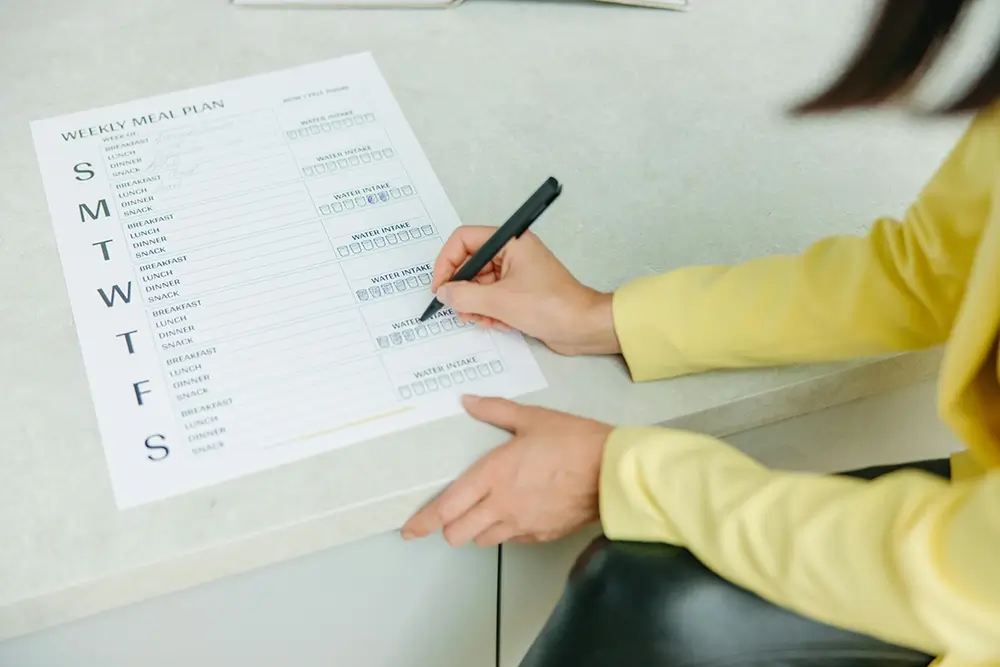
A dietitian’s experience at the Biggest Loser Resort
Starting out in a chaotic environment
Jessica shared that when she first interviewed for the job, the resort wasn’t even fully built. She laughed remembering how she parked in Jillian Michaels’ spot by mistake, a foreshadowing of the chaos to come. Early days were “chaotic craze,” as she put it. Nutrition wasn’t the main attraction, the trainers and scale were. Staff emphasized calorie budgets and math equations over individual needs.
Her role as a nutritionist was to deliver what they called the “budget talk,” where guests calculated their calorie allowance based on weight, height, age, and activity. On paper it sounded simple: burn more than you eat and you’ll lose weight. But Jessica quickly saw that bodies don’t follow simple math. People weren’t getting what they needed nutritionally, emotionally, or psychologically.
The weight of unrealistic expectations
Guests often arrived with expectations shaped by the TV show. Some told Jessica on day one that they planned to lose 12 pounds in a single week. Without context, those numbers sound achievable because the show portrayed them as normal. Jessica, however, sat across from people experiencing dizziness, headaches, fatigue, and emotional breakdowns from extreme workouts and too few calories.
She remembers quietly encouraging guests to load up on beans at the salad bar or working with the kitchen to sneak in more calories for those who were struggling. It wasn’t about defying leadership, it was about keeping people safe. And even with all that effort, many left disappointed or, worse, returned a year later having regained the weight and then some.

What was missing
One of the biggest gaps Jessica saw was the absence of support for the “why” behind eating behaviors. Guests were told what to eat and how to exercise but not how to cope with stress, manage binge eating, or regulate their nervous system. With only one therapist for about 80 guests, it was nearly impossible to address the emotional and psychological factors driving food choices.
Research supports what Jessica observed: a qualitative analysis of long-term weight management programs found that participants who maintained their progress were more aware of how emotions shaped their habits and practiced healthier regulation strategies, while those who regained weight often relied on food as their main coping tool (Ingels & Zizzi, 2018). Without addressing these deeper needs, the quick fix atmosphere created short term results that crumbled once guests went back home to jobs, families, and daily stress.
Was any of it positive?
Jessica admitted it wasn’t all negative. For her, personally, it was a period of enormous growth. She learned how to adapt quickly, handle tough situations, and connect with people from all walks of life. And for some guests, there were positives too. Many formed lifelong friendships and found motivation through community and group classes.
But the balance tipped heavily toward harm when the focus was only on weight. People left without the tools to maintain changes, and the show’s “success stories” rarely reflected the struggles that came afterward.
Leaving diet culture behind
Jessica worked at the resort between 2010 and 2014, right in the height of The Biggest Loser’s popularity. But by the time she left, she knew the model didn’t align with her values. She had seen enough to realize that the “calories in, calories out” approach was not just ineffective for most it was harmful.
She began shifting her own practice toward a weight-inclusive lens, influenced in part by her mentor Emily Fonnesbeck, a dietitian at the Utah resort who has since become a well-known voice in intuitive eating. Jessica started questioning everything she had been taught: Why was the scale the only measure of success? Why did we encourage restriction when it left people exhausted and obsessed with food? Why were bodies treated like math problems instead of dynamic, complex systems?
The answers pushed her toward Health at Every Size and intuitive eating frameworks. She saw firsthand that health isn’t defined by the number on the scale. People need to be supported in building trust with their bodies, focusing on blood sugar, energy, strength, and self-compassion instead of chasing endless weight loss.
Reframing success with clients today
Today, Jessica’s approach looks very different. Instead of restrictive food plans, she works with clients to personalize nutrition through curiosity and experimentation. She encourages what she calls “food detective work,” noticing patterns without judgment. If binges happen, instead of criticizing, she helps clients explore what might be missing, perhaps more protein, perhaps more rest, perhaps more compassion.
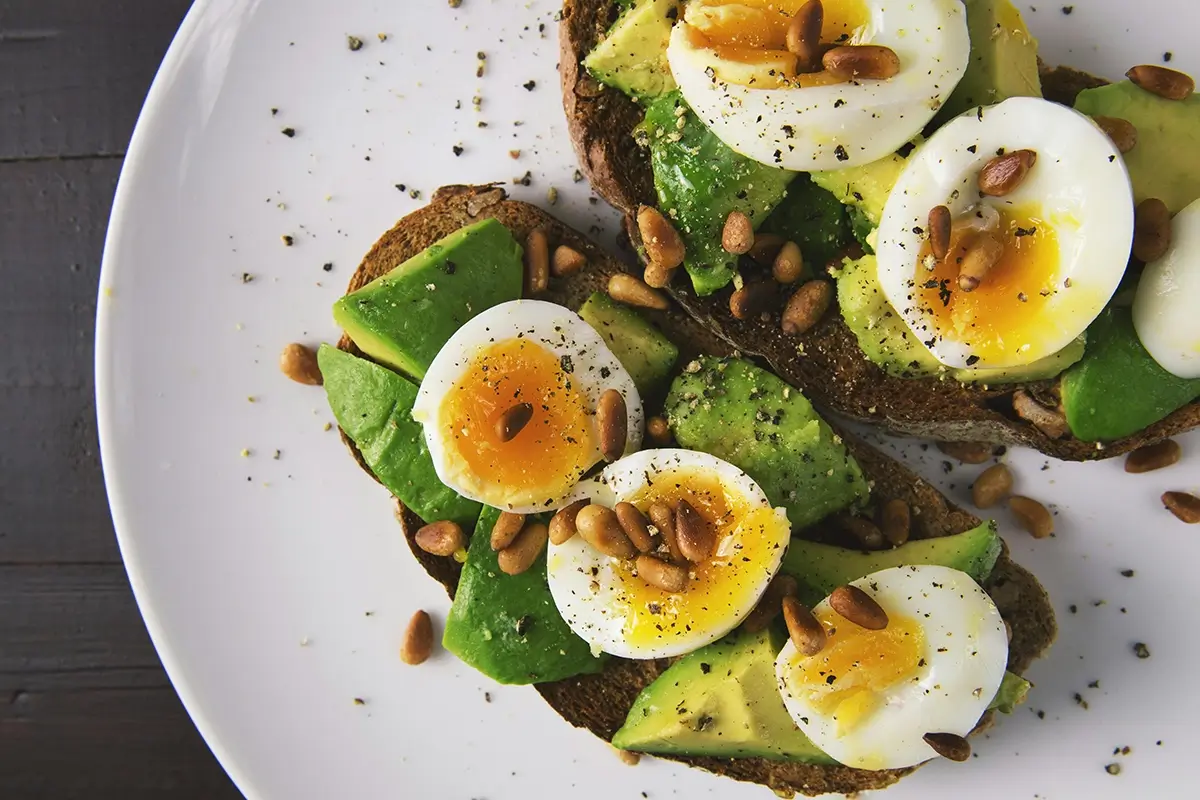
She also teaches the value of “paired snacks,” a simple but powerful tool. Pairing carbohydrates with protein or fat can stabilize blood sugar, reduce crashes, and improve mood and focus. It’s a practice she uses with people managing diabetes and with anyone who simply wants steadier energy throughout the day.
Another shift is moving away from all-or-nothing thinking. Many new clients arrive saying they want to cut out sugar completely, exercise for hours, and eliminate entire food groups. Instead of shutting down those goals, Jessica helps them break things down into one manageable step. Maybe it’s adding a short walk after dinner, maybe it’s eating breakfast consistently. Wins are celebrated no matter how small.
And those wins often go beyond food. Clients share stories like being able to enjoy their granddaughter’s birthday without obsessing over the cake, or taking family photos without the shame of body criticism. Those are the markers of success Jessica values now: the freedom to live fully without food and weight taking over.
What you can take from her story
Jessica left the Biggest Loser Resort with more than just work experience. She left with clarity about the kind of care she wanted to provide. It isn’t fast, flashy, or “reality-TV ready.” It’s slower, more compassionate, and far more sustainable.
Her biggest lessons:
- Paired snacks help keep blood sugar stable and moods balanced.
- Approach food choices with curiosity, not criticism—be your own food detective.
- Step away from all-or-nothing thinking and look for the middle ground.
- Redefine wins—sometimes success is enjoying life events with less food noise in your head.
Transcript
0:00
Welcome back to another episode of the Diabetes Digital Podcast.
We have a very unique episode for you all today.
So today we’re not doing a traditional episode.
We are actually going to play the recording of one of our live classes that we had with our lovely dietitian, Jessica Stam.
0:18
And this class is all about Jessica’s experience working at the Biggest Loser Resort.
So she worked as a nutritionist at the Biggest Loser Resort for about 3 1/2 years.
She saw a lot behind the scenes.
She had a lot to share and she opens up in this episode.
0:36
This was really fun because we got to record this live with a group of participants, many of them who are diabetes digital patients, but there’s no patient information shared.
You’re only going to hear the conversation between Jessica and myself.
And so we talked about how she ended up even working at the Biggest Loser resort, how the resort is different from the show.
0:58
We also learn about just some of the things that Biggest Loser gets wrong and why.
Jessica has seen from first hand experience that our bodies are more than math equations and more than calories in, calories out.
She also talks about why and how she shifted from this more weight normative weight loss approach, which of course is the epitome of working at Biggest Loser to weight inclusive health at every size and intuitive eating approach within her own practice.
1:25
There’s also a lot of counseling Nuggets she shares in terms of how she works with our patients and some of her go to tips for building sustainable habits that actually last.
So you’ll definitely want to listen till the end.
And I will say that the majority of the people who came to the live presentation also stayed until the end just because it was such a compelling conversation.
1:46
So I’m not going to talk anymore.
With that, I’m going to jump into the episode.
Welcome to the diabetes Digital podcast.
I’m Wendy and I’m Jess, and we’re best friends, registered dietitians and diabetes educators.
Through our telehealth platform, Diabetes digital.co, we offer accessible and personalized virtual nutrition counseling for people with diabetes and pre diabetes.
2:08
Visit diabetesdigital.co.co to book your first appointment.
We accept insurance and offer affordable self pay options.
Now let’s get into today’s episode.
So let’s start with introducing our lovely dietitian, Jessica.
2:24
So Jessica is an Rd. with diabetes digital.
Sounds like she’s a lot of your patients.
She’s also a mom of two kiddos and since 2007 she has supported clients with pre diabetes, PCOS and gestational diabetes, high blood pressure and high cholesterol.
She is shaped by her own experiences with ADHD, autoimmune condition and high risk pregnancies.
2:45
And her care is neurodivergent, affirming, weight inclusive and crowded and intuitive eating.
And I know like so many of Jessica’s clients, love working with her because of this lived experience.
You know, having that neurodivergent experience really important.
Jessica helps clients move away from diet culture and create sustainable, nourishing routines.
3:05
Outside of work, Jessica loves cooking with her kids and diving into a good fantasy novel.
You also love gardening too, right Jessica?
We’ve seen pictures of your garden.
I’m trying in very chaotic fashion.
I like to start new hobbies and I get really into them and then I go into something else.
3:24
So if you ask my garden how it’s doing, it’s not so great, but I’m trying.
Yes, as a fellow ADHDR diagnosed during the pandemic, I could what do they relate to that?
And I’m I’m trying to embrace it.
It’s like, you know, on to the next.
That’s fine.
3:40
OK, today we’re going to talk about a couple things.
We only have an hour.
So we’re going to start out with just learning more about Jessica’s experience exploring her, you know, time at the biggest lizard resort, some of the lessons learned and really understanding her shift towards weight, inclusive sustainable care.
3:58
And then you’re going to leave with some Nuggets from Jessica, mindset shifts and also practical next steps for moving forward.
And we’ll do AQ and A at the end as well.
So to get started, I want us to just explain what the Biggest Loser is because there might be some people on this webinar who don’t know.
4:19
So Jessica, can you just tell us and you know, a couple sentences, what is the Biggest Loser?
And what is the difference between The Biggest Loser the TV show and The Biggest Loser Resort?
Yeah, totally.
So this, I was telling just beforehand, this is bringing me back to a lot of core memories.
4:37
The Biggest Loser, for those of you who don’t know what it is or haven’t heard of it, it was a show.
We had to look it up.
It ran for a while from 2004 to 2016.
These two faces were kind of probably the best known from it.
This is Bob and Jillian, and they were personal trainers.
4:53
And the show was a one of the first, I think, reality shows out there.
And the focus was it was to see who could lose the most pounds on a scale and they would have you in teams throughout the 2004 to 2016, they shifted it and it would be who could lose the most weight.
5:11
Some people had really dramatic weight loss.
Some people also had some other things that came up for it, which is now getting a lot more light with the new Netflix documentary Fit for TV all about it with past producers, trainers, doctors, contestants.
5:26
But the difference between the show and then the resort where where I worked was I worked literally right down the street from where the show was being filmed.
They were all in Malibu.
And because the show was so popular, like if you watched the documentary or if you have seen the show, there were tons of people, like I’m going to guess probably thousands who would try out to be on the show.
5:48
And I think they would take like, I think 10 to 20 contestants for each season.
And So what they did was, was they opened up, I think our resort was the second one.
They opened a resort in Utah 1st.
And then they opened a resort in Malibu down the street from the show that was called The Biggest Loser Resort, Fitness Ridge.
6:07
And you could pay a large chunk of cash to come and basically live a similar style as the show.
So there were trainers there.
You would stay there at the resort, you would live there for a week or more and you would do 8 to 10 hours of fitness with classes, hikes, etcetera.
6:27
You would have a 1200 calorie food plan there and it would be it was trying to make it very similar to the show for people who either didn’t get on the show or people who wanted to do the same thing but didn’t want to have the reality part of it.
Or a lot of times what we would see is we would house can pass contestants from the show.
6:48
They would come back and they would be at the resort.
So it was same, same but different.
Sometimes had like producers and stuff filming, but not often.
But it was right down the street.
We were very interconnected.
OK.
And we were talking before the webinar about the two hosts and whether you interacted with them.
7:07
Do you feel comfortable?
Sharing, I feel like now I can share like I watched the documentary and like one night I told Jess about I’m like, I’ve stayed up till like 1:00 AM I’m watching it now.
I feel like it’s OK to publicly share some of these things.
And also I wasn’t the only person who experienced some things.
7:24
So yeah, these are the 2 main faces, Bob Harper and Jillian Michaels.
And she asked if I like, met them.
And I’m like, Oh yeah.
I remember actually on my interview, I accidentally parked in Jillian’s spot.
And I was just like pulling into like the ranch where they do the show.
And I accidentally parked in the spot.
7:40
And I remember somebody being like, don’t like get out of that parking space.
That’s not gonna go well.
And I was like.
Oh, whoops.
Sorry.
And then when I was working there, we had a couple times where they’d do a filming at our resort or they’d be doing something alongside of it.
And Bob was very friendly.
It’s my memory, my memory of Jillian, which I think probably a lot of other of my Co workers probably would say the same, is that she did not want to interact with anyone.
8:03
And it was hard because a lot of the people who paid a lot of money to be at this resort to live this experience.
She was like, you know, they really wanted to meet her.
She was, I don’t know if you’d say role model.
She was important to them and she refused to even like wave to people, was my recollection.
8:20
OK, well let’s talk about how this all started.
Like how did you even start working at the Biggest Loser Resort?
Also, what were your early impressions of working there?
It sounds like you were a new is was this your first job as a nutritionist?
8:41
I know you were like doing nutrition education.
Tell us more about how you got there and your impression.
So I mean, I got into nutrition back in high school when I found out I had some binge eating tendencies.
And so I actually started seeing a nutritionist in high school and that’s what got me interested into the whole nutrition counseling.
9:01
So then I went to school for nutrition, came back and actually my first job was working at that location where I saw a nutritionist.
So I worked at a place called Diet for Health.
It’s no longer there, but it was great in LA, Canada, CA.
And while I was there, unfortunately, I was just part time and I was looking to get some more hours and just to be able to support myself better.
9:21
And so I was looking around at other jobs to be able to fill in that role.
And I found, I don’t know if it was indeed was back then, but one of those job sites like I just found this listing.
And honestly, the listing, I was like, huh, what is this?
Like this?
I wasn’t sure if it was a scam.
And I was like, whatever it is, it looks like it’s part time.
9:38
Nutritionists needed it worked like with the hours they were looking for, they were looking for like just a little bit.
And so I was like, might as well check it out.
I threw my name in the hat, I got the interview went down there like I said, parked in Jillian’s parking space, didn’t know what I was doing, went in, had a very casual interview, then started and when I started this job they hadn’t even fully completed the resort yet.
10:02
I remember I went and looked and I was like, I think I just accepted a scam job because I went and the resort was not fully built.
So when I put down I have like very official notepad.
It’s a kids dinosaur book I wrote down in quotes.
Chaotic Craze was like my first impressions, like it was wild.
10:19
We didn’t really know what was going on.
We were trying to figure out like how this resort fit with the show.
Also, I was hired with one other nutritionist.
We were both very part time and we were trying to see how nutrition fit in because to us, we studied nutrition.
10:34
We went through our own journey with dealing with our own eating disorders, you know, relationship with food, etcetera.
It felt very important to us, but it was interesting stepping on to this resort in the show where the majority of the importance was placed on just a scale and a lot on like the personal training side of it.
10:55
Hence, like the faces of Biggest Loser, they’re not dietitians, they’re not nutritionist team, they’re not doctors, they’re personal trainers.
And so that was the main, the main emphasis.
So I was, it was chaotic, but then also trying to see like where I fit in.
That was a pretty tough part because nutrition, they even said it in the documentary.
11:15
They’re like, it’s not shiny.
Like it’s not shiny and fun.
You don’t make a reality TV show about, you know, just generalized nutrition tips and staying healthy.
Yeah, exactly.
Oh yeah.
OK.
I feel like this is going to be a roller coaster.
11:31
Buckle up, everybody.
OK, So what are some of the main challenges that you notice guests facing when it came to these health and lifestyle changes?
I know many of us watch the documentary where we saw a lot of contestants sharing their stories.
11:50
I’m curious, you know, you being there first hand, what did you see?
Yeah.
So I mean, some of these things on here totally challenges that we’d see.
I’d say one of the main ones that was kind of felt more personal to me because it was one that I encountered a lot was people coming in with really, really not only like unrealistic expectations, but honestly kind of scary expectations because of the the show.
12:14
So kind of forgetting that like the show as any reality TV show, like who knows what a real week looks like.
Who knows what’s actually going on behind the scenes.
So people coming in and I remember sitting with people the first day they’d get to the resort and they’d be like, hi, so I’m going to lose 12 lbs this week.
12:32
And I’d be like, oh, whoa, like, where’s this coming from?
And I hadn’t even watched much of the show.
And so I was like, that what?
And so there were a lot of kind of intense expectations that again, just were not were not a healthy expectation and kind of dangerous.
12:47
And the show made it look like that was something that could be realistic.
It didn’t look at the whole picture too.
So sometimes also it would be an emphasis on just a number.
So like I remember one of the very first talks that everybody would get would be this talk and it was called like the budget talk.
13:06
And so it would be talking about exactly how many calories every person has.
And everyone would literally get out a piece of paper and we’d to sit down and we’d write down like your weight, your height, your age, your activity level or something.
And we do this equation and we’re like, so that’s your budget.
13:24
And then this is the budget of calories that we have here.
This is the amount of calories you’re probably burning and boom, bada Bing.
That’s how our bodies work.
And I remember being like, Oh, this is this is interesting.
And right at the beginning, I started making my own little sessions outside.
13:40
I was like, can I just run free sessions for everybody?
That’s 20 minutes to take the budget talk in more detail because I was finding people were expecting this math equation to work for their bodies, and our bodies are just not math equations.
So I would sit down with people and try to personalize and talk about what realistic expectations look like, practical ones, sustainable ones, and ones that are more empowering than just putting all the focus on a scale or a number.
14:03
And then the other part I would see for sure as a challenge.
Is that similar to the show?
People were living here, so they’re living here.
And the emphasis was not on the why behind what we’re eating.
And coming from someone who struggled, struggled with binge eating for many, many years, there was a lot of why, why was I binge eating?
14:24
There’s a lot of psychology behind that and coping mechanisms, regulation that needed to be kind of looked at nervous system stuff.
And that was really not something that was a main focus at all.
And so that was a really big challenge.
14:40
I’d say that I would see sometimes with guests because they’d have literal like anger explosions.
And in part it could be because the carbs were too low.
We’re all gonna, we’re all gonna have a hangry burst.
But also like not having any discussion around really, you know that that why that psychology piece.
14:58
I know that we had one staff member that was there and able to support with the psychology aspect, but one staff member for 80 guests all going through this was not a ton.
There was 2 nutrition staff members and then for a while it was just me when the first one left until we were like, we need another one.
15:18
So it was, it was again, mostly that emphasis on just personal training and then you’re kind of on your own.
You’re on your own to deal with what happens with that, what happens with these shifts, rapid or not, what happens with expectations not being met, etcetera.
So I’d say those are the ones that really stand out the most.
15:36
Yeah.
I wanted to talk about the expectation piece of it because I’m assuming that people are paying to be there and this is a business at the end of the day that there might even be pressure right, from like higher ups to make sure that you, you know, hit certain numbers with weight.
15:54
Like did you experience any of that pressure of like, Oh, well, I can’t, you know, give them more calories in there and quote like calorie budget because then maybe they won’t have the dramatic weight loss and then I won’t make the higher ups happy.
I guess maybe I wasn’t a perfect employee because I didn’t care as much as it like made the higher ups like happy or not.
16:17
Like I honestly was like sometimes nervous for people like that they would pass out and like, I mean the show sometimes even shows that after watching and I’m like, Oh my gosh, like but I was concerned sometimes too.
And so like I also not a really good mentor.
I need to give her a shout out if she’s not here, But her name is Emily Fonzebeck and she was my mentor.
16:36
She was the dietitian working at the Utah resort.
And she’s now like a super big voice for the intuitive eating movement.
But she was kind of my support system.
And so it was nice that I didn’t get pressure that way, But I was the person that would be like, we had a salad bar and the salad bar was supposed to be, it was very like, I guess like Weight Watchers E where it’s like, well, you have this 1200 calories, but you can also have all these vegetables.
17:02
And so I would be talking to people and one on ones and be like, Hey, those like those feelings that you’re telling me about, like you’re feeling dizzy, you’re feeling a headache, you’re feeling literally like nausea, fatigue, like, you know, those like really physical symptoms of blood sugar crashing.
17:18
Oh, because you’re working out so much and you don’t have enough calories, Like, let’s do something about it.
So yeah, bro, you know, they’re not my bosses now, but they probably wouldn’t love it that I was on the side being like beans.
Like that was on the salad bar.
We had like always like 2 to three sources of beans.
17:34
And I’d be like, get those beans, like, yeah, load up on the beans.
And part of my job, too, was working strongly with the kitchen staff.
And so it was mostly there, like, to be able to handle if, like, someone had an intolerance.
So like, if someone came in and they’re like, here’s my allergy panel and I’m allergic to 10 different things, like, we’d have to figure out how to modify it.
17:51
Yeah.
And so I think they wanted me to modify it to fit still 1200 calories.
But instead, I’d be like, can we modify it to, like, can we add a little something or, like, bump it up?
Yeah.
So tried our best to, like, see if we could, you know, circling back to your question, like, there probably was pressure.
18:09
I didn’t feel it as much or maybe I didn’t care as much because I wanted to make sure people were not getting hurt, like some people did get hurt during this.
Some people did have physical crashes and things.
And so that’s my emphasis, yeah.
Yeah, I know.
That makes total sense.
18:25
So in your experience, First off, how long did you work there?
So I worked there like right in I feel like the prime of the Biggest Loser days, which also like there was a part of me that like did have like some pride.
Like when I would say people would be like, where do you work?
18:41
And I’d be like, oh, for nutrition, for nutritionist, like to be like the biggest loser.
Like it always for this little introvert that got like the party started with talking and people would start talking for me and I was like, oh, wow.
So it was, it was all the hype.
It was 2010 when I started and then I stayed for like 3 1/2 years.
18:58
OK, by the time I left, I mean, it’s almost like 2014.
You can see like the show was done in 2016.
Like I, I could even tell like by the time I I was leaving, I was like this, this doesn’t look like it’s going.
Yeah.
And going in the right direction is shifting.
19:15
Yes.
Yeah.
And I think honestly, like, it was stressful going in.
The more I would see, like, I don’t really, I don’t know if it’s the right term morally.
Like stand behind some of these things.
Like the harder it would be to go in because I’d be like, I’m going in and I’m going up against, you know, some, some expectations that are different than what I feel like is right to be helping people with.
19:37
So yeah, I wasn’t there for too long, but long enough to like, yeah, that was a lot of different things.
Yes, you definitely had your pulse on what was happening there.
So was it all bad or do you feel like the Biggest Loser resort got some things right?
19:55
Like what is the ratio of like potentially what it did get right if anything, and like what it fell short on and what are some examples?
Yeah, I mean, I was thinking about this one.
I’m like, it’s right now it’s easy to be like, oh, I got everything wrong.
20:11
You know, like especially when you watch things like the documentary and you’re like, I’m like honestly shocked by some of the things that I didn’t even know that they were doing.
But at the same time I was thinking about it and I’m like, well, personally for me, it gave me I, I want to say like one of the biggest growth points in my career.
20:28
Like I was, I mean, if you ask my family, like they might be like, well, I’m big to differ because like my stress level was kind of like out the window.
But also like the things that got tossed at me, the amount of things that I had to learn and grow and mold with really, really fast, the experience, the all the different people who came in and out of my life, both employees and guests who were there.
20:50
It was a really great experience personally to, I mean, great, very good learning experience from it and I learned a lot.
And then I also could see, I mean the basics, like the basics of like, yes, movement and nutrition.
They, I’m not giving Biggest Loser a lot, but like they, they are important.
21:09
And then I think this part like you have on the slide is like the community and motivation, yes.
And for anybody who’s my client on here, they’re like, oh, here she goes again.
Because my answer is never like here it is one quick yes or no or here’s the ratio.
It’s like yes.
And well, that depends.
21:25
So like community.
Yes, I did see that like some people they became like friends for life.
Like I saw it on the show.
And then also like I still communicate with a lot of people like via social media, like who were guests or who were my Co workers.
21:41
Like the sense of community that we have from being there and kind of in this chaotic craze, as I put it, like it was really strong.
And then the motivation, yes and no, like yes, so much to be said about like for some people, being in like group fitness classes is highly motivating.
22:00
For some people, having a support system of doing this together is really great.
I say yes and no because if you watch the way some people were motivated by say Jillian or something who’s like screaming in their face and that is would definitely not be my cup of tea.
22:19
And I’m an inner critic all the time.
And that would have probably rebounded to perhaps eating disorders or things like that, which in the Fit for Life documentary, I was like, oh wow, that definitely did happen for a lot of people.
So there were the overall like community, overall essence of like nutrition’s important, movement’s important, yes.
22:41
I guess when you look at the ratio of good to bad though, it’s probably leaning in my eyes as I’ve seen a lot of negative come out of it, but there was some good.
Yeah, there’s, yeah, there’s always sometimes, you know, good with the bad.
One other thing I’m thinking just being a dietitian, right, since 2012.
22:59
So for a while, one thing I noticed is a lot of people do have this quick fix mentality and I’m curious, like it sounds like people were there for a week at a time.
And we know like majority of our clients, we’re working with them for a long like months, if not years.
23:16
So I’m, I’m very curious too, how long was the average client there?
And did you guys communicate with them afterwards and see whether or not whatever changes they made stuck because, you know, working out like you mentioned 8 hours a day?
23:33
I would imagine once they got back into their real life like everything shifted back to reality and long term the changes weren’t sustainable.
Yep.
I mean, yeah, it’s what happened was most people were there like one week.
23:48
And I would say that that’s probably just because it was an outrageous price tag to be there.
And also like if you have a family, if you have a job, like is hard to be gone for longer than that.
It did depend because then occasionally we would have quite a few people that they, they just devoted a big chunk of time.
24:09
We had some people who they would stay a month, some people who would stay a few months.
I want to say, and this is now pulling from memory.
My memory is not the best, but like I want to say the most common thing we would see is we would see people who they would come and they would do the program for a week and then we’d see them again in like a year.
24:28
And often times kind of like I saw in the documentary, I was like, oh, fascinating how it’s very it was very similar where if they did this in a way that was the quick fix mentality.
That was just in and out doing the program without really thinking about the practical part of it, without empowering themselves to see what’s going on behind the scenes, the why, the psychology part of it, the nervous system part of it, all of the different factors into play.
24:57
If they just did the program and nothing else, they almost always gain their weight back.
Plus.
Some.
And then I mean, think about what a smart resort this was because then people came back.
And so like, it was nice for me because I would see a friendly face, but also at the same time, I’d be like, oh, and we do sessions together.
25:15
Let’s make sure my goal was always like, we they bring me the paper with the budget equation and I’d be like, cool, cool, cool.
I’m gonna flip that paper over and like, what are some things that like we can do practically speaking, when we get home?
Like, and I usually be like, hey, just curious, like at home, how many hours are you doing some type of movement?
25:36
Is it 8?
And like no one said eight.
Yeah.
You know, like at home, do you have a personal chef cooking for you like you do here?
Maybe someone would say yes.
Most people said no.
Like at home, do you have like 0 distractions?
25:52
Because here you’re alone or just with your spouse.
You don’t have your work here, you don’t have your precious kids here.
Like you don’t have any other distractions coming in or stressed.
And so I’d kind of probe, which probably again, people here who are my clients, they’re like, because usually I probe, I just like to ask to get again, make sure.
26:12
And a lot of this is from past experience of before I worked here, I did 5000 different diets myself.
I even tried this one while I worked there.
It was easy.
I could, I mean, I didn’t do the 8 hours of working out because I was, but I ate the plan because it was budget friendly if I just got myself a plate there.
26:31
And I just through my own experience saws all of these different fads, they just, they usually don’t work or do the trick.
And then I also saw it with, I don’t know, I I’d say hundreds, maybe my number’s into the thousands though of clients now that like, yeah.
26:47
Yeah.
So that brings us to our next point.
And I want to talk about like shifting perspectives because you did start, which many of us did, this is like how we were trained right in like the weight normative approach, which says that if you lose weight, then you are going to be healthier.
27:07
And this is everybody’s goal in life.
And you shifted to more of a weight inclusive approach.
So can you tell me kind of how your experience there shape shifted your perspective on nutrition?
27:23
Yeah, totally.
I mean some of it honestly it came in a little bit beforehand.
Again, I, I came from working in a, a place that we were, we were pretty scale focused too.
Like we did like scale weigh insurance.
So that was not strange or new to come in and do that at Biggest Loser.
27:40
But I did start like while I was working there, I’d say I started like to question things a little bit more because I started to see things that were common and I was like, oh, wow, some of these things they’re, they almost made me understand some of my own behaviors a little bit more.
27:57
And I was like, this is very interesting when we start looking into it and start thinking about like when we’re just looking at a scale and not looking at more than that.
Well, first I would see that when we just did scale it just it straight up wasn’t like there wasn’t A1 method or equation or diet that worked for everyone.
28:19
It just doesn’t like what everybody’s body processes is like a little bit different.
What everybody, you know, how everybody’s like muscle mass is different.
We would do this thing called an in body that did body composition and that would give us a little bit more information.
28:34
But just doing fad diets or doing one crash one, it just didn’t work for everybody.
The other thing that also kind of shaped it was, again, not only personal experience, but hearing it from a lot of other clients was seeing how much that food noise just took over and seeing how it took over.
28:51
Never really did I hear anyone or when I would think about it for myself, never did the food noise do anything positive for our day-to-day.
And so hearing it again and again and again of just like, and, and knowing it myself, like going to a party where you’re going to a party to celebrate somebody’s graduation or you’re going to a party to celebrate your own birthday or your own engagement or whatever it is.
29:12
And while you’re there, the food noise, it, it’s not, it’s so loud that it’s hard to be in the moment and be happy.
It’s hard to be in the moment and celebrate because you’re like, well, should I have that one cookie?
Maybe I’ve already had one, I’ll save it for later or now I’m really hungry.
And then on top of the food noise, now our blood Sugar’s starting to, you know, make some differences there too.
29:32
So I would see that similar kind of thing as I would talk to clients, I’d hear and get that feeling of like, this is just this emphasis on just the scale, the scale of scale calories.
Like I wasn’t walking around like calorie King Encyclopedia, you know, that old book was Calorie King or Calorie Counter.
29:50
There was Eat this not that there was a picture perfect one that was like, you can have a handful of gummy bears or an entire pineapple, like all of those.
I was like, I mean, I’m not super proud to say it, but I was like an encyclopedia of those.
I could walk around and tell you everything and I was like, this math just makes sense.
30:06
Like if you’re craving this, just have this.
But like not thinking about again, the bigger picture and trying to simplify it.
It just yeah, it I just watched it in and out.
It did not work.
And it also made, again, through personal experience and seeing other people, it made people’s day-to-day really not not a positive experience.
30:26
They weren’t enjoying the food that they were eating.
There was also never enough like there was.
It’s it shapes it to be a really negative critical lens.
Yeah.
When you’re looking at just how little can I be like, or just making one number, the full emphasis of the big picture, like there’s never enough.
30:43
That scale just keeps taking and taking and taking more.
And I saw it even in the documentary, there was like, there’s a couple people who they’re like we we were shocked to see like some contestants, they didn’t stop.
They kept going to almost there was a point in one reveal where one contestant lost so much weight that they were nervous that there was a major eating disorder going on there.
31:02
So again, I just saw that the continuation of just let me get smaller more, more, more.
It just kind of led to these other kinds of things and it was never satisfied.
There’s just like a monster within you never satisfied.
And the critical behavior would kind of continue.
And I, I could see it from doing diets myself where I would do everything right or lose some weight on a scale, but then still be like, but you could have done this better.
31:26
You could have done this better instead of looking at instead like how am I growing?
What am I learning?
What are some ways that I’m changing my labs for the better?
What are some ways that I’m focusing on my muscle composition is going up.
Like there’s all these other things that like when we were just focused on scale and that show is just focused on scale, it really missed the mark for like what I believe is, is really the thing that’s important and makes our day-to-day something that’s eating is it’s happening every day multiple times.
31:55
If it’s associated negatively or with such a critical lens like, I don’t know, that sounds like a pretty sad time.
Yeah, for sure.
And you remind me of our dietitian Hannah who talks about the non scale victories.
What else can we focus on?
32:11
And that’s what we really try to do with with our all of our patients because yeah, you might even hear from your doctor you have to lose weight and it’s so focused on the scale and that’s end all be all.
Meanwhile, you’re like like exercising 8 hours a day, eating 1200 calories and feeling horrible and losing all your muscle mass.
32:28
So it’s like a what cost?
Yes.
OK, so let’s talk about your approach currently, which is more of a help at every size and intuitive eating approach.
Tell us a little bit about how you learned about this new approach and do you notice any difference in how your patients respond to health at every size versus more of the Biggest Loser mentality?
32:55
Yeah.
So I mean, honestly, I would say that I, I tiptoed into this, this approach the same way that I sometimes see clients tiptoeing in where if we say the word intuitive eating or you say health at every size, it can sometimes be met with a defensive lens or a kind of like questioning lens or kind of like, are you serious?
33:15
You know, And then other times it can be met with relief and like literally like a big sigh of like, Oh my gosh, finally, like, but I would say I definitely, I tiptoed in in that first section.
I tiptoed in like, yeah, sure, trust your body.
Like, yeah, sure, just eat when I’m hungry.
33:31
You know, like coming from binge eating and then also coming from like ADHD tendencies, like where hunger cues are kind of all over the place.
They’re not always the same, like our interceptions a little bit off like that just didn’t seem to sit like, and so I came in definitely questioning it.
33:48
I would say that something that felt a little bit more supportive was actually, it’s very much what Diabetes Digital does.
It’s the way I do it.
And again, clients are gonna be like, I’ve heard it, but I like doing it this way.
It’s like, it’s like a handshake approach of like where we’re looking at intuitive eating, but we’re also giving it some structure by having the emphasis be more on blood sugar.
34:09
And so looking at blood sugar helped me to understand intuitive eating and what’s happening hunger cues wise.
And so I started doing that back, back in the days, if you will, of seeing like like the idea of paired snacks.
34:26
It was my joked about phrase from like friends and family since I was working here, like I thought that phrase seemed to sit well.
So I just started saying it all the time and I was like paired snacks, that’s the focus like, but using a tool like that, that feels practical, that then also for my brain that’s forgetful.
34:44
I can remember it where I think, oh, if I have a carbohydrate, I also have something with protein, healthy fat, A paired snack like that helps to lead into now my body cues helps they signal a little bit stronger.
And so the intuitive eating was supported by that.
35:02
So that’s kind of wondering if I even answered your question.
You did, yeah.
That’s kind of how I, I look at it is like it’s taking some different things.
It’s taking all little bits and pieces from like, you know, my personal experience and from all past work environments, not just Biggest Loser.
35:20
But noticing that again, it needs to be there needs to be more of an emphasis on on building that feedback, that trust between our mind and our body, which is the idea between intuitive eating and also looking at that body positivity body image and our psychology around what we say to ourselves and how we let like media and you know, influencers, neighbors who TV commercials like give us a lot of they give a lot of power sometimes over like over what we think our body should look like or what, what we should be eating.
36:00
So a lot of this, I started questioning it here, but it’s kind of continued into my practice of just kind of questioning like what, where did this belief come from?
And does it still like hold true?
Does it even make sense?
Like, you know, like is wanting my body to look like how it looked before kids in high school.
36:21
Does that make sense?
You know, like starting to just kind of question things.
Big huge tangent answer.
No, I, I think that’s like very helpful and especially what you said about the blood sugar, like pulling from everything, not being so dogmatic that it has to be like exactly this way and only one way.
36:40
But like pulling from your lived experience, pulling from some data, pulling from social justice, like all these different things.
I think that makes for a really great dietitian and a good experience for clients.
OK, so Richard, I literally need the link to that shirt.
36:56
I was going to say we’ll e-mail out the link after because I’m sure there’s others who love it too.
So tell us if you can think of any client of this is very specific.
You have a lot of clients, though, who give you really good reviews and success stories and A1C lowering and just helping them feel in a better place with food.
37:14
I yeah, if you can think of like one story or just one general way you work with clients or, you know, a trend that you’re seeing for how this new approach feels better for them and also better for you as a clinician.
I for sure cannot pull for me like 1 specific example because my brain just is like, yeah, but I can say there’s a trend, A trend that I see that is supportive for a lot of people and was again, a lot of these.
37:42
The interesting part is that, but it I’m like, it also was supportive for me, which is so nice when it’s like you can, you can live it and feel it and you understand it because you’ve done it.
But also it’s again, it’s different than the typical, it’s different than Biggest Loser for sure.
37:58
It’s taking, it’s the opposite of Biggest Loser.
It’s taking away all or nothing mentality.
And so this is something that I see is probably the most supportive for people.
It’s again, very personalized, but the way that I usually look at it is seeing like I usually talk with people about how there’s like 5 different like kind of physiological needs for, for humans, right?
38:21
And so like we have the need to eat, to drink, to go to the bathroom, to sleep, and then also our nervous systems there.
So I’m like between we have all of those five and for each person we’re seeing, which one are we going to dip our toe in and start with first?
38:37
For some people, they’re not ready to talk about the nervous system part of it.
They don’t want to, you know, it’s a, it’s uncomfortable to talk about the stress behind what’s going on or the big feeling behind what’s going on.
And so they’ll straight up tell me I don’t want to talk about it.
38:52
I’m like, you know what, I get it.
It took me a long time to really figure that out.
So maybe we’re looking at instead the hunger or the thirst or sleep or some or GI sometimes with people.
But again, circling back to your question, a success story is seeing when somebody can step out of all or nothing mentality and do things kind of in the middle where we almost talked about where we’ve built a bridge.
39:16
So where they started was perhaps coming from extreme diet mentality.
And so like in our first meeting, it’s not strange to me to have someone walk in who’s done a million different diets and to come in and be like, hey, so just so you know, I, my goals are I’m losing X amount of weight.
39:33
I’m cutting out all sugar because I can’t do sugar anymore.
And I’m cutting out all gluten and I’m working out four days a week, 2 hours a day, you know, you know what I mean here?
So like we and I, and I’ve been there, so I get it.
But sometimes what we’ll do is we don’t like discourage all of those, but we look at and we breakdown what’s up with each of those goals.
39:55
Which one do we feel like we can start looking at?
And which one feels like it’s a practical 1 to look at?
Which one feels like it’s one that we can do and we are excited to do it the next day.
And then we usually see like as it kind of cycles.
So if someone picks like, you know what I feel like right now, it’s practical for me to start with.
40:14
Movement because I love movement and it calms down my nervous system to do movement.
We’ll see that even if we’re starting with movement, it kind of then bleeds into some of those other physiological needs as well.
But by coming out of all or nothing and focusing on just one small step, I usually say pinky toe in.
40:33
And then we look at the winds like it’s really honestly, it’s a different way of looking at things is coming in.
And anyone who’s my client, they know that we start with like, well, hi, how are you?
And then can you share some wins?
And if someone cannot share some wins, I will be the first to find them for you because I honestly believe they’re always there.
40:51
And also, coming from someone who I am a highly critical person, I don’t even want to share some of the thoughts I had when I was deep in my binge eating and really negative body image days.
Like the things I said to myself I would never say to a stranger even.
And so I know that highly critical way of coming into something and being really hard on yourself and not seeing any wins and instead looking to see like, what’s 1 positive thing that we did yesterday?
41:18
I bet you there’s something.
And I have yet to find where there’s like, Oh well, actually, sorry, you actually don’t have anyone who’s like there’s, there’s always something.
And we’re building on those and then we can still be reaching towards the goals.
But again, coming the main thing I promise I had a point is stepping out of all or nothing and watching people step out of all or nothing and hearing people say, Jessica, I was able to go to my granddaughter’s five year old birthday and I was able to be in the moment and like observe and like play with my granddaughter and like take some and take a picture and not be afraid to be in the picture or not be hungry the whole time or not be thinking about the food the whole time.
42:03
Like those are the biggest ones that stand out to me.
And I can’t think of specific ones, but I’ve had a lot of those where people are sharing a time where they were out of all or nothing and they were able to live in the moment so much more than letting food or the scale have all of the mental load.
42:20
Oh my gosh, why am I getting emotional just hearing you talk about this?
I’m.
Sure you’ve had?
The same.
Yeah.
No, I just, I feel so grateful to have you on our team.
And I’m sure, yeah, your clients love working with you because people usually come in to work with a dietitian and they’re worried that it’s going to be the diet police or we’re going to scold them for every decision and to just be in a safe space where you feel seen and you can have wins.
42:47
You never imagine.
Like, I think they’re coming and thinking that wins is going to be we’re cutting out all cake and never sugar again.
But no, it’s like the win is being able to play with your grandkids and enjoy the cake and take a picture, which I know can be struggling for so many people, including myself.
Like as you get older, your body changes like you mentioned and just not even like have that critical voice telling you like you should do this or you shouldn’t do that.
43:10
So that’s very powerful.
Thank you for sharing.
OK, so I want to talk about, I think kind of in wrapping so that we have a few minutes for questions.
So my last question for you is what are the takeaways, if any, like 123 small shifts people can make moving forward that you use with your patients you work with that can really help with mindset, mindset shift or sustainable actions, anything that you can leave us with?
43:41
Yeah, totally.
I wrote a little note on here in my very chaotic paper that I haven’t looked at, but I wrote paired snacks, lol.
Because like if there’s something that’s like a concrete thing to do that is I’m going to stand by that one.
What is it called where you’re going to, like, die on that mountain?
43:56
Die Yeah, 10 toes down.
Stand on me.
This but paired.
Snacks like if there was a shirt that said that I would do it.
So I just feel like it’s it can be supportive for everyone because I know also a lot of my clients like they come in they’re like, hey, just so you know, I know it’s diabetes digital, like I don’t have pre diabetes or diabetes and they’re like, so we don’t have to talk about blood sugar.
44:16
And I’m like, ha ha, ha.
I beg to differ.
Like we will be talking about blood sugar anyways usually because having balanced blood sugar for every single human and even now as a mom of two, my kids are they’re 7:00 and 9:00.
44:32
But for any age, I’m like, if our kids even have more balanced blood sugar, any human, if every human was walking around with balanced blood sugar.
I mean, are we solving the world’s problems?
Are we creating World Peace?
Perhaps we are right now because if everyone had more balanced blood sugar, we would be less Moody, we’d be less irritable, our patients would be way stronger, we would feel better.
44:55
We would have no or less brain fog.
I can’t say no brain fog because anyone who else is a mom, we’re like, brain fog’s just a thing now.
But we’d, I mean, the list goes on and on.
Like when our blood Sugar’s off, we are uncomfortable, be it that we’re diabetic or not.
And So what I usually work towards is like, how can we become more comfortable?
45:15
And paired snacks are a great way to support that.
So the idea of again, having, if we’re having a carb, having it with something that’s got protein and or healthy fat combo with it.
So that’s kind of something that even people who I saw back at Biggest Loser, occasionally they’ll shoot me a message like your voice paired snacks.
45:36
I’m like, you’re welcome.
I think hopefully it’s like a smile that you see with it, not like an angry paired snacks, but that’s one that I’d say is supportive, like for pretty much everybody.
The other one that I usually find myself saying a lot is to kind of look at things kind of as this, again, cheesy phrase, but I’ve used it forever because I think it’s, I can see a visual with it like food detective work.
46:01
So like if you’re working alongside of a dietitian, I’d say probably all of us on this team, we’re doing food detective work.
And sometimes we’re doing it in the form of a journal.
Sometimes we’re doing it in the form of just talking together and hashing things out together.
But if you’re going to be a food detective, trying to look through it with like a lens of like curiosity and so being like, oh, what’s what’s going on with this binge?
46:25
If I’m having a binge and it’s happening every night, what’s going on here?
Instead of a lens of like I should have been more disciplined or like highly critical lens.
And so again, that’s coming from years and years and years of me being extremely critical, really going through it there.
46:42
And then also seeing it with clients doing that, that, that highly critical lens.
Sometimes it doesn’t give room in our mind to be able to look at like, oh, perhaps there’s this one little habit that we’re seeing.
That’s sometimes my favorite thing to do.
I tell people that the journal is, it’s like a fun Sudoku for me, like, because I look at it and I’m like, Oh, we’re like, we’re missing a little something here.
47:03
Like I might be looking and I’m, I’m not, I’m never honestly going to like take away somebody’s like favorite cultural food or like they’re, you know, I’m not.
I’m also never going to like, tell Someone Like, You hate Brussels sprouts, we’ll get ready to love them.
Like that’s all you’re eating now.
47:20
We take into account, again, a personalized approach, but then also going through to see, yeah, how is it supportive?
Is there something that might support you more with feeling more comfortable?
Like is there a way that like if we take that food that might be a little bit higher in refined sugar, can we add something to it?
47:40
Can we tack it on to an end of a meal where we’ve already had fiber and protein and we’re tacking it on to the end so blood sugar feels more comfortable?
Like I might be suggesting some Sudoku shifts with timing or pairing.
But yeah, those are some of the main ones.
And then another one I’m always harping on is like, self-care.
47:58
And I feel like that’s one that took me some time because honestly, I fought it, especially as like a new mom.
Anybody who would be like, well, have you thought of yourself?
Like, have you gotten a massage today?
I would almost just be like cutting you off.
I don’t want to talk to you.
Like, how dare you tell me something like that?
48:14
Give me another 24 hours or give me an assistant.
But I also have seen how, like, with the nervous system is off if our stress is not taken into account.
Like, I’ve had my own share of health issues that has come out of it.
And like, so I’m really big on like, being your cheerleader for like, whatever that is.
48:31
And it might not be a massage.
It might be doing a different way of breathing that like helps calm us or like sipping something, you know, through a straw that feels more regulating or like, you know, having a texture of a food that feels calming or stepping outside or reading a book for 5 minutes, walking on a walking pad for three minutes like it can.
48:52
My favorite thing again is like, I’m like, bring it.
I’ll find a way to like Sudoku something.
Or we’ll talk about building a dopamine menu together of like ways to have like activities that are dopamine kicks added into our day for that component.
49:08
Obsessed love it.
OK, so in wrapping just want we’re going to open it up for like a couple minutes of questions.
Want to quickly share a little bit about diabetes digital for people who don’t know.
I think many of you are patients who work with our dietitians, but some of you aren’t.
49:25
So we do offer one-on-one nutrition counseling for diabetes, pre diabetes, PCOS and metabolic syndrome.
We’re a network with most insurance companies and we are licensed in 40 states.
It says 29, but it’s 40 and if you’re out of network, we do have self a self paid membership too and we do consults in Spanish as well.
49:45
So definitely check us out.
You can click this QR code right here, which will take you to our website whichisdiabetesdigital.cothats.co.
We have our diabetes digital podcast where we have a bunch of different episodes on so many topics.
50:02
We have hundreds of episodes, so definitely download our podcast, subscribe on iTunes or Spotify.
OK, so I want to open it up to questions, Jessica.
It says was there any protocol when a client was exhibiting eating disorder behaviors like not eating at all, not drinking water, purging or binging in secret?
50:23
Good question.
I mean, I’m trying to think like there probably just like people having watchful eyes.
And then we had, we had one staff member.
So we had a psychotherapist on staff who was there.
And then we also did have like if I found if I was talking to someone and if that seemed to be the case, we had like in Thousand Oaks, there was some eating disorder locations, but I’m trying I, and now I’m not totally sure.
50:52
Like if there was like a specific, specific protocol, there was again, that one staff member and then we could bring things up to people’s attention.
But there could have been a lot.
Better support, Yeah, Yeah.
And then the next question is, is it necessary to take Metformin as a diabetic or will changes in quality of food?
51:14
Be enough this one you probably know I’m going to say it’s like it’s personalized, right?
So like I, I usually when I’m talking to clients and we’re talking about something like Metformin, we’re working kind of as AI usually use the term who’s on your team.
And so we’re working with a team of like the doctor and perhaps there’s therapists, perhaps there’s AGI endocrinologist.
51:34
And so working along to see exactly what the lab numbers show, exactly what the doctor is recommending and exactly why.
But have I seen clients who are able to make very significant changes through food and through movement going through sometimes honestly, clients make huge changes on like just the stress component like.
51:55
And So what I usually do and I think probably everybody at Diabetes Digital is that we do a pretty awesome job of like making sure that we are in contact with the doctor and labs.
So we get them court, we ask to have them from clients quarterly.
And then we also kind of touch base usually with other support doctors or other parts of the team.
52:16
And so then we can see like where what’s happening with your numbers with or without Metformin and we can see if there’s support coming from just the nutrition changes or not.
So again, it’s hard for me to be like yes or no because it’s very personalized.
But I have seen a lot of really, really amazing things happen and really positive, like lab shifts from changes, nutritionally speaking.
52:40
For sure.
And if you need to take Metformin also, that’s fine too, right?
Like we have so many clients who are on different types of medications and maybe the the work they’d have to do with diet and exercise is so extreme that it’s not going to be sustainable in their life.
52:56
And so why not have the support of a medication and whatever diet and lifestyle stuff you’re able to do?
So we, yeah, we see it both ways.
Having said that, I just want to say thank you so much, Jessica.
This was amazing.
You did an incredible job.
We learned so much.
I’m sure everyone can agree this was a fascinating conversation.
53:15
I’m definitely going to take some of your little Nuggets and imply them to my life moving forward.
So I appreciate it.
And yeah, if anybody wants to work with Jessica or any of our dietitians, definitely head on over to our site Diabetes digital.co, take our quiz and appreciate you all for coming.
53:33
And we are ending right on time.
So thank you so much, Jessica.
Thank you and thank you everybody.
You made this nervous Virgo feel nice and calm.
Thanks for joining us for today’s episode.
If you’re interested in nutrition counseling with one of our expert dietitians to help improve your pre diabetes or diabetes, visit us at diabetesdigital.co.
53:54
Also, if you found our conversation helpful, do us a favor and rate and review this podcast on iTunes, plus share with someone who might find this helpful.
You can also connect with us on Instagram at Diabetesdigital Co and TuneIn every Wednesday for practical, inclusive, and culturally humble diabetes insights.
54:13
We’ll catch you later.
Bye.
In my experience as a dietitian, when clients learn to step out of the “all or nothing” mindset, they get to be present again. That is something the Biggest Loser never taught, and it is what truly makes the difference.
If you want to work with Jessica and get support that goes beyond diets and numbers, you can start here.






Leave a Reply